
- 65% growth in participation since 2022
- 6,000 offers from 500+ brands
- Up to 40% off discounts layered on existing outlet prices
Experts would likely conclude that Simon Property Group's National Outlet Shopping Day is a strategic pivot toward experiential retail, serving as both an economic barometer and a test case for the future viability of brick-and-mortar shopping in the e-commerce era.
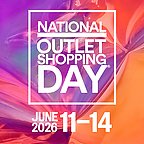
Beyond the Bargain: Simon’s Bet on Experiential Retail as Economic Bellwether
INDIANAPOLIS, IN – June 08, 2026 – As summer approaches, the retail world is bracing for an event that its creator, Simon Property Group, audaciously positions as a rival to Black Friday. The fifth annual National Outlet Shopping Day (NOSD), set for June 11-14, is poised to draw millions of shoppers to 90 outlet centers across the country. But beneath the surface of staggering discounts and doorbuster deals lies a far more significant story: a calculated, high-stakes experiment in the future of brick-and-mortar retail and a crucial barometer for the health of the American consumer.
This four-day event is not merely a seasonal sale; it is the centerpiece of Simon’s strategy to transform its properties from simple shopping centers into multifaceted entertainment destinations. By blending deep discounts with a carefully curated array of "experiential" offerings, the real estate investment trust is betting that the key to thriving in the age of e-commerce isn’t just to sell things, but to sell an experience. As the event's participation has swelled by over 65% since its 2022 debut, the question is no longer whether people will show up, but what their presence says about the broader economic landscape and the path forward for physical retail.
The Anatomy of a Modern Shopping Holiday
On paper, the scale of National Outlet Shopping Day is impressive. Simon is coordinating approximately 6,000 distinct offers from over 500 brands, ranging from high-street staples like Adidas and J. Crew Factory to luxury names like kate spade new york and Polo Ralph Lauren. Promotions promise significant value, with discounts of up to 40% off, buy-one-get-one offers, and other deals layered on top of existing outlet prices that can already be up to 65% below traditional retail.
"National Outlet Shopping Day has become one of the most anticipated shopping events of the year because it's the perfect way to kick off summer," said Lee Sterling, Simon's Chief Marketing Officer, in a statement. Sterling highlights the event's dual appeal: "Shoppers enjoy unreal deals... But it's the energy and excitement that truly sets the day apart. It's a celebration of savings, style, and of spending time together."
This sentiment captures the essence of Simon’s strategic messaging. The company, an S&P 100 firm with a global portfolio, created the event in 2022 with the National Day Calendar, cementing the second Saturday in June as a new fixture in the retail calendar. The timing is strategic, filling a potential sales lull between Memorial Day and back-to-school promotions. By expanding the event from its original two-day format to a four-day weekend, the company is maximizing its window to capture consumer dollars and attention. The sustained growth suggests the strategy is working, building a loyal following that eagerly awaits the annual "fashion haul" Sterling describes.
More Than a Discount: The Rise of Experiential Outlets
The true innovation at the heart of NOSD lies beyond the price tags. Simon is leveraging the event to accelerate the transformation of its outlets into immersive destinations, a crucial defense against the convenience of online shopping. The strategy is clear: make the physical trip to the outlet center an event in itself, one that cannot be replicated with a click.
This year's event will see an expansion of these experiential elements, particularly for members of the Simon+ loyalty program, which launched in 2025. Shoppers can expect access to exclusive VIP lounges with refreshments, complimentary branded tote bags, and live entertainment like DJs or musicians. At select locations, the experience becomes even more personalized. Interactive workshops, such as building succulent arrangements or designing permanent jewelry, have been features of past events and are expected to return. These activities are designed to increase "dwell time"—the length of a customer's visit—with the understanding that a shopper who stays longer is more likely to spend more across different stores and food vendors.
One notable example is the integration of new concepts like the Coach Coffee Shops, turning a simple break into a branded, Instagrammable moment. These elements are not just frivolous add-ons; they are sophisticated tools of modern retail engineering. They create a festive atmosphere, foster a sense of community, and generate powerful user-generated content on social media platforms like Instagram and TikTok, effectively turning shoppers into brand ambassadors. According to one retail analyst, "Simon understands that the mall is no longer just a transactional space. It has to be a social space, an entertainment space. By offering customization stations and VIP treatment, they are giving consumers a reason to choose the drive to the outlets over opening a new tab on their browser."
A Barometer for the American Consumer
Beyond its impact on Simon's balance sheet, National Outlet Shopping Day serves as a vital real-time indicator of consumer confidence and spending habits. Its timing at the start of summer provides an early read on discretionary spending as households plan for vacations, outdoor activities, and seasonal wardrobe updates. In an economic environment where inflation remains a persistent concern for many families, the event's focus on value is particularly resonant.
The explosive growth in participation since 2022 suggests a strong and sustained consumer appetite for deals. This trend is a double-edged sword for the economy. On one hand, it shows consumers are still willing to open their wallets for goods they desire. On the other, the intense focus on discounts indicates a price-sensitive shopper who is actively hunting for value, a potential sign of tighter household budgets. "This event is a microcosm of the current retail economy," noted one market observer. "People want premium brands, but they're not willing to pay premium prices. The success of outlets, and NOSD in particular, demonstrates the power of the 'treasure hunt' mentality in today's market."
The claim that NOSD "rivals Black Friday" is telling. While it may not yet match the sheer sales volume of the November behemoth, it aims to replicate its cultural function: creating a sense of urgency and occasion that drives mass consumer action. Unlike the online-centric Prime Day, NOSD is a celebration of physical retail, a testament to Simon's belief in the enduring power of its brick-and-mortar assets. For investors watching Simon's stock (NYSE: SPG) and the broader retail REIT sector, the foot traffic and sales figures from this weekend will be a key data point, offering clues about the retail landscape for the remainder of the year.
The Blueprint for Brick-and-Mortar's Future?
As thousands of shoppers descend on properties from New York's Woodbury Common to Florida's Sawgrass Mills, they are participating in more than just a sale. They are engaging with a vision for the future of physical retail. Simon's continued investment in its properties, including the planned 2026 construction of the new Nashville Premium Outlets, signals a deep confidence that this vision is the correct one.
National Outlet Shopping Day is the most visible manifestation of a broader strategy to redefine shopping centers as dynamic, mixed-use destinations for community, entertainment, and commerce. By proving that a compelling, experience-rich environment can still draw enormous crowds, Simon is providing a potential blueprint for how legacy retail can not only survive but thrive in a changed world. The ultimate success of this model will depend on whether the "energy and excitement" of a single weekend can be sustained year-round, transforming the routine act of shopping into a continuous and memorable experience.