
- 10-15% of restaurant orders still come through phone calls, a previously anonymous channel.
- $100,000 in monthly phone sales digitized for Via 313, enabling loyalty rewards.
- 3x more active loyalty members reported by Thanx platform users, with 5x higher engagement.
Experts would likely conclude that this AI integration represents a significant advancement in customer data capture and loyalty engagement, bridging the gap between traditional and digital channels in the restaurant industry.
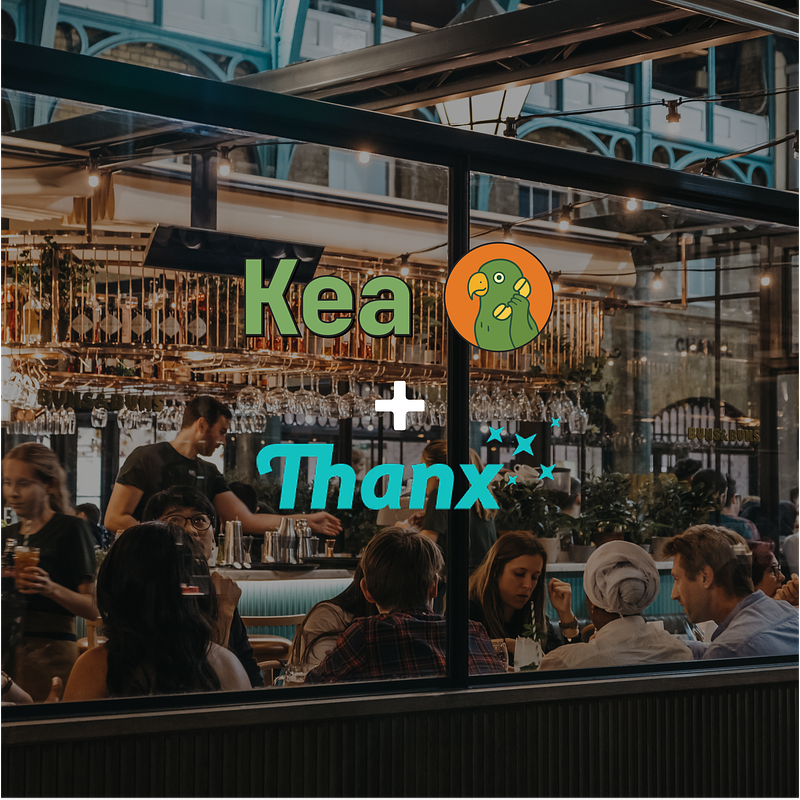
The End of the Anonymous Diner: How AI Is Turning Phone Calls Into Profit
SAN FRANCISCO & PALO ALTO, CA – June 15, 2026
For decades, the restaurant phone call has been a transactional black hole. A customer calls, places an order, and hangs up, leaving behind a voice and a dinner request, but little else. For an industry increasingly driven by data, where understanding customer lifetime value is paramount, this high-intent channel has remained stubbornly anonymous. Now, a strategic integration between guest engagement platform Thanx and voice AI leader Kea promises to illuminate this blind spot, transforming every inbound call into a recognized, rewardable, and deeply strategic interaction.
This partnership is more than a technical handshake; it represents a critical step in unifying the fractured customer journey. By connecting Kea's conversational AI, which handles phone orders, with Thanx's sophisticated loyalty and engagement engine, restaurants can now identify, enroll, and reward guests who prefer the traditional phone call, bridging the gap between their digital and analog worlds.
The Anonymous Channel Becomes a Strategic Asset
In the modern restaurant enterprise, between 10 to 15 percent of order volume still flows through the phone. While this channel is rich with guest intent, it has historically lacked the infrastructure to build lasting relationships. The Thanx-Kea integration fundamentally changes this dynamic. When a guest calls a restaurant using Kea's AI, the system instantly attempts to match the caller's phone number with an existing loyalty profile in the Thanx database. If a match is found, the guest is recognized. If not, they receive a post-call SMS with a simple, one-step enrollment option.
"The phone has always been an inherently anonymous channel. You pick up, you take the order, and you have no idea who is on the other end," explained Zach Goldstein, CEO and Founder of Thanx. "But hospitality is about making every guest feel known, not just the ones who walk through the door. When Kea recognizes the guest on the line, you can bring that same care to the phone... That's how you turn a transaction into a relationship, and a relationship into a habit."
This move addresses a core challenge for operators: creating a comprehensive, 360-degree customer view. By capturing data from a previously opaque channel, restaurants gain invaluable insight into the ordering habits of a significant customer segment. This is not merely about data collection; it's about transforming that data into actionable intelligence.
"Phone ordering is a high-intent channel that restaurants cannot afford to treat as an afterthought," said Adam Ahmad, CEO and Founder of Kea. "Our integration with Thanx bridges the gap between voice and digital. We are providing a frictionless experience for the guest to earn their rewards, and giving operators the comprehensive, 360-degree customer view they need to grow their business."
From Data Capture to Operational Reality
The strategic potential of this integration is best illustrated by its real-world application. Via 313, an acclaimed Detroit-style pizza concept that grew from a food truck to nearly 20 locations, generates close to $100,000 in phone sales each month. Historically, this meant tens of thousands of dollars in monthly transactions were entirely untraceable from a loyalty perspective.
By implementing the joint solution, Via 313 has successfully digitized this high-volume revenue stream. "Before this integration, our high-volume phone orders were a major blind spot for new loyalty enrollments and customer data," stated Kiplan Welsch, President of Via 313. "Now, by pairing Kea's Voice AI with Thanx, we can automatically reward our guests for nearly $100,000 in monthly phone sales without adding a single second of operational friction for our in-store staff."
The emphasis on zero operational friction is critical. In the high-pressure environment of a restaurant, any new technology that requires complex training or slows down service is a non-starter. Here, points accrue automatically in the background, and new member enrollment happens post-call via SMS, requiring no script changes or awkward pauses from staff—or the AI.
This seamless experience fuels the kind of growth metrics that define modern retention strategy. Brands on the Thanx platform report seeing nearly three times more active loyalty members, who are themselves five times more engaged within their first year. This level of engagement, now extended to the phone channel, translates directly into repeat visits and measurable same-store sales growth. The experience of other Thanx clients, such as Pokeworks, which quadrupled loyalty sign-ups, corroborates the power of a well-integrated, low-friction loyalty system.
The Technical Underpinnings and the Privacy Question
While the customer-facing experience is designed to be effortless, the underlying architecture involves a sophisticated and secure exchange of data. Kea's AI, which integrates with over 10 major POS systems, handles the initial interaction, while Thanx’s platform manages the lifecycle marketing and reward logic. This requires a robust framework for data privacy and security—a non-negotiable aspect of corporate strategy in today's regulatory landscape.
Both companies operate in an environment where customer data is a sensitive asset. Thanx, for its part, defers payment processing to PCI-DSS compliant third parties, ensuring sensitive financial information is not stored on its own servers. The integration relies on phone numbers and email addresses to link accounts, underscoring the importance for restaurant operators to adhere to privacy regulations like GDPR and CCPA, and to be transparent with customers about how their data is being used.
As AI becomes more embedded in operations, the onus is on operators to ensure these powerful tools are governed by equally powerful security and privacy protocols. While this integration provides a significant leap in customer intelligence, it also serves as a reminder that building digital trust is as important as building brand loyalty.
Charting the Future of Conversational Commerce
This partnership is not a final destination but a foundational layer for what's next. Thanx and Kea are already developing dynamic on-call redemption. In the near future, the voice AI will not only recognize a guest but also know their redeemable rewards and point balance. It will be able to proactively weave offers into the conversation, suggesting a guest use their points to add a dessert or apply a discount to their order, mirroring the intelligent upsell capabilities already present in Kea's system.
This vision aligns with broader industry trends where AI is enabling hyper-personalization at scale. With the restaurant AI market projected to grow at a CAGR of 23% through 2030, and 70% of restaurants already piloting AI for loyalty, the move toward predictive, conversational, and frictionless experiences is accelerating. The goal is to create a unified commerce experience where the channel is irrelevant; whether a customer uses an app, a website, a text message, or a phone call, the brand knows who they are and can deliver a personalized, hospitable experience.
By turning the simple act of a phone call into a rich, data-driven touchpoint, this integration is doing more than just closing a gap in the customer journey; it is demonstrating how legacy channels can be revitalized to become core drivers of modern corporate strategy.