
- Visitor Arrivals: 44.5 million in 2024, up from 34 million in 2023, but still below the 2018 peak of 65.1 million.
- Tourism Expenditure: HK$195 billion in 2024, 24% below pre-pandemic 2019 levels.
- Dragon Boat Festival: 4,500 athletes in 220 teams from 16 countries competing in a 13-day event.
Experts would likely conclude that Hong Kong's tourism recovery is uneven, with visitor numbers rebounding but spending lagging due to shifting traveler preferences and regional competition.
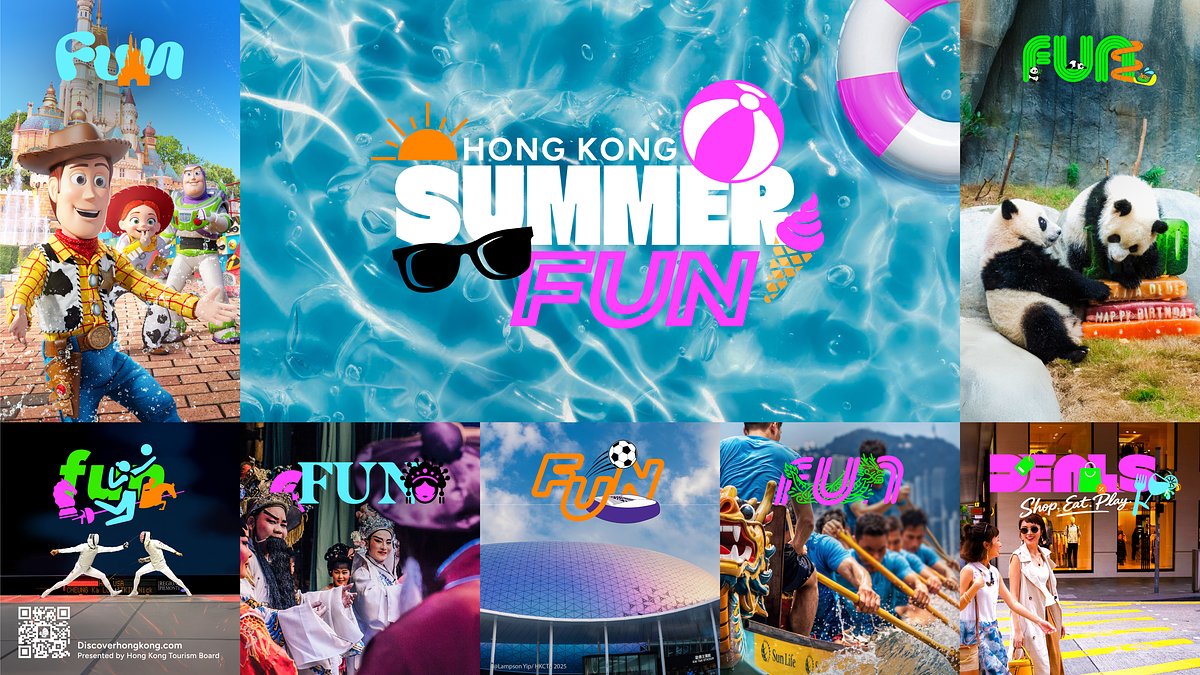
Hong Kong's Summer Gamble: Can Dragon Boats and Deals Recapture Glory?
HONG KONG – June 03, 2026 – The Hong Kong Tourism Board (HKTB) is rolling out an ambitious city-wide promotion, “Hong Kong Summer Fun,” in a high-stakes bid to re-energize its vital tourism sector. By anchoring the campaign with a lavishly upgraded 50th-anniversary Dragon Boat Festival and a barrage of digital discounts, the city is making a calculated play to not only boost visitor numbers but, more critically, to reverse a worrying trend of declining per-capita spending.
“The summer holidays are a golden period for travel,” said HKTB Chairman Dr Peter Lam, announcing the initiative. The board aims to partner with the business community on hundreds of thousands of offers to “attract more overnight visitors to Hong Kong and boost consumption across more sectors.” The strategy signals a pivotal moment for Hong Kong as it grapples with a post-pandemic tourism landscape defined by fierce regional competition and a new, more discerning traveler.
A Tale of Two Recoveries: Footfall vs. Spending
On the surface, Hong Kong’s tourism recovery appears robust. After a pandemic-induced collapse, visitor arrivals rebounded to 34 million in 2023 and climbed to 44.5 million in 2024. Projections for 2025 anticipate nearly 50 million visitors, a significant increase but still well below the 2018 peak of 65.1 million. The challenge, however, lies beneath the headline numbers. While footfall is recovering, spending is not keeping pace.
Tourism expenditure in fiscal year 2024, at HK$195 billion, remained nearly 24% below pre-pandemic 2019 levels. This disparity is fueled by a fundamental shift in visitor demographics. The modern traveler, particularly from mainland China, is more cost-conscious, digitally savvy, and experience-driven than ever before. They compare prices in real-time and seek unique cultural encounters over traditional shopping sprees.
This trend is starkly reflected in recent data. In the first quarter of 2025, spending by overnight Mainland visitors actually decreased by 6% year-on-year, even as spending from long-haul visitors rose 15%. Compounding the issue is the strength of the Hong Kong dollar, pegged to the US dollar, which makes the city more expensive relative to regional competitors whose currencies have weakened. The city’s retail sector has felt the pinch, with sales declining 5.5% in the first five months of 2025 despite rising visitor numbers. Hotels, while seeing occupancy rates recover to a healthy 85%, have seen their average daily rates decline as they compete for value-seeking tourists.
The Dragon's Golden Jubilee: Culture as a Strategic Asset
At the heart of the “Hong Kong Summer Fun” campaign is the “Sun Life Hong Kong International Dragon Boat Festival,” a mega-event celebrating its 50th golden jubilee. The HKTB is leveraging this cultural cornerstone, transforming it from a two-day race into an extended 13-day festival (June 19 to July 1) along the iconic Tsim Sha Tsui Promenade.
This year’s event is a masterclass in blending heritage with modern entertainment. Over 4,500 athletes in 220 teams from 16 countries will compete in Victoria Harbour. To honor its roots, the festival introduces the “50th Anniversary Fishermen Invitational Cup,” featuring traditional wooden boats from local fishing communities. “We are delighted to once again collaborate with the Hong Kong Tourism Board and witness this important milestone,” said Arnold Chung, Chairman of the Hong Kong China Dragon Boat Association, highlighting the commitment to “preserving traditional culture.”
Beyond the races, the festival aims to immerse visitors in a multi-sensory experience. The Avenue of Stars will host a Dragon Boat Food Lane and Beer Garden, while interactive photo spots, including one with the characters from the film Minions & Monsters, cater to a family audience. Crucially, the event will feature intangible cultural heritage workshops where visitors can try their hand at fishing net plaiting, blown sugar making, and lye rice dumpling making. For a modern twist, a virtual reality (VR) experience will allow attendees to feel the thrill of dragon boat racing, a clear attempt to engage a younger, tech-fluent demographic.
Clement Lam, CEO of title sponsor Sun Life Hong Kong, noted the event’s power to unite communities, sponsoring teams of cancer survivors and students to “bring renewed energy, hope and inspiration to our city.” This blend of authentic tradition, modern spectacle, and community spirit is precisely the unique value proposition Hong Kong hopes will set it apart.
The Digital Discount Offensive in a Competitive Arena
Recognizing that cultural appeal alone may not be enough, the HKTB is launching a parallel offensive of digital deals. The board has partnered with Trip.com Group on a promotion worth over HK$20 million, offering up to 50% off attraction tickets and transport for visitors who book hotels. In another major push, visitors using Alipay or Alipay+ at nearly 100 participating malls can scan a QR code to receive spending rewards of up to HK$500.
These initiatives are a direct response to the new economic reality. Hong Kong is not just competing with its own past but with aggressive regional rivals like Thailand, Singapore, and Malaysia, which have seen their tourism numbers recover more quickly and are actively wooing mainland tourists with visa-free policies. As one industry analyst noted, in this environment, Hong Kong cannot rely on its “irreplaceable appeal” alone; it requires “operational excellence in crowd handling, transport connectivity, and service standards.”
The digital discounts serve as a tactical tool to address the price sensitivity of modern tourists and stimulate spending directly at the point of sale. By partnering with dominant platforms like Trip.com and Alipay, the HKTB is meeting travelers where they are: on their smartphones.
Building a Blueprint Beyond the Summer Rush
While “Hong Kong Summer Fun” is a massive seasonal push, it is also a key component of the city’s new long-term tourism strategy, outlined in the “Development Blueprint for Hong Kong's Tourism Industry 2.0.” This blueprint acknowledges the need to move beyond a simple numbers game and focus on attracting high-value-added visitors, diversifying source markets, and developing a sustainable tourism model.
The emphasis on mega-events, from sports to culture, is designed to provide a continuous calendar of reasons for high-spending tourists to visit year-round. The MICE (Meetings, Incentives, Conferencing, and Exhibitions) sector is a particular focus, as MICE visitors already spend about 40% more on average than leisure tourists. By integrating cultural festivals with extensive business and retail partnerships, Hong Kong aims to create a flywheel effect, where world-class events drive high-value tourism, which in turn supports local businesses across multiple sectors.
The success of this summer’s campaign will be a critical barometer for this new strategy. It will test whether Hong Kong can successfully blend its rich cultural heritage with modern commercial savvy to not only bring people back to its shores but also convince them to open their wallets, securing a more prosperous and sustainable future for one of its most important industries.