
- Global fermented foods market projected to surpass $990 billion by 2033
- Bubbies launches 40-ounce jar, its largest format yet, at Costco
- North America dominated the fermented foods market in 2024
Experts agree that Bubbies' Costco launch signals the mainstream acceptance of fermented foods, driven by growing consumer demand for gut health and functional nutrition.
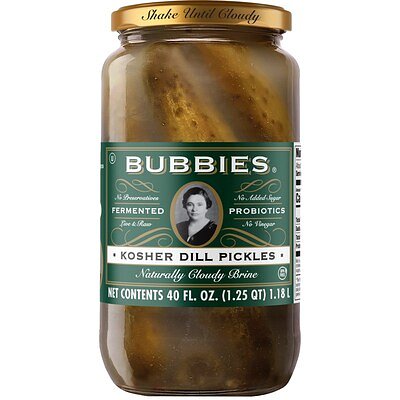
Bubbies' Big Dill: Costco Launch Signals Mainstream Fermented Food Craze
MADISON, WI – May 27, 2026 – A quiet but significant shift is taking place in the refrigerated aisles of Costco clubs across the Southeast. Bubbies, a brand with a cult following for its naturally fermented pickles, has launched an exclusive 40-ounce jar, its largest yet. While the arrival of a new pickle might seem mundane, this move is a powerful indicator of a much larger trend: the full-scale mainstreaming of fermented, functional foods. The "Costco Effect"—where placement in the warehouse giant signals mass-market readiness—is officially coming for the world of probiotics and gut health.
The Gut Health Gold Rush
The groundswell of consumer interest that propelled Bubbies into Costco is no accident. It's the culmination of a years-long, accelerating trend toward foods that do more than just fill a stomach. The global market for fermented foods is booming, with some projections estimating it will surpass $990 billion by 2033. This "gut health gold rush" is driven by a growing public awareness of the microbiome—the complex ecosystem of bacteria in our gut—and its profound impact on everything from digestion and immunity to overall well-being.
Once the domain of health food stores and niche online forums, terms like "probiotics," "live cultures," and "fermentation" are now part of the everyday grocery vocabulary. Market analysts point to a confluence of factors fueling this growth. Consumers are increasingly seeking out "clean label" products with simple, recognizable ingredients and a transparent production story. The demand for natural, unprocessed foods has created a perfect environment for traditional preservation methods like fermentation to make a comeback. This shift is particularly strong in North America, which dominated the fermented foods market in 2024, reflecting a deep-seated desire among a health-conscious population for functional nutrition and preventive health through diet. Bubbies' expansion is a direct response to this surging demand, moving a traditionally niche product from the specialty aisle to the bulk-buy cart.
A Pickle with a Pedigree: The Art of Natural Fermentation
What makes a Bubbies pickle different, and why does it command such loyalty? The answer lies in a process that deliberately skips modern shortcuts. Unlike the vast majority of pickles on supermarket shelves, which are quickly "pickled" in a hot vinegar brine, Bubbies Kosher Dills are naturally fermented. The brand, founded in 1982 on a family recipe over a century old, adheres to a time-honored method using just cucumbers, water, and salt.
This process is a slow, deliberate art. The cucumbers are submerged in a salt brine and left to ferment over time. Live bacterial cultures, naturally present on the cucumbers, consume the natural sugars and produce lactic acid. This acid is what preserves the pickles and gives them their signature complex, tangy sourness without a drop of vinegar. The result is the famously cloudy brine, a tell-tale sign of the live and active probiotic cultures within. For enthusiasts, this cloudy liquid isn't a defect; it's proof of authenticity and the source of the product's gut-health benefits.
"Real fermented pickles, with no vinegar, are unique, delicious and with incredible depth and complexity of flavor," said Jorge Azevedo, CEO of Fermented Food Holdings, Inc., Bubbies' parent company, in a recent statement. This commitment to an authentic, unpasteurized product positions the brand as a standard-bearer for traditional foodways in a world dominated by processed alternatives. It's a battle for authenticity that, until now, has been waged primarily in smaller grocery stores.
Cracking the Costco Code
Securing a spot in Costco is a notoriously difficult feat for any brand, representing a major strategic milestone. The warehouse club operates on a high-volume, low-margin model, curating a limited selection of around 3,800 products, compared to the 30,000 or more found in a typical supermarket. To make the cut, a product must promise exceptional quality, undeniable value, and the ability to move in massive quantities. Bubbies' entry signifies that both the brand and the category of fermented foods have passed this rigorous litmus test.
The partnership required Bubbies to adapt. For Costco, the company developed its largest format ever—a 40-ounce jar—and packaged it in a custom BPA-free, shatter-resistant plastic container, a nod to the family-friendly, bulk-buying ethos of the club. This move demonstrates an understanding of the Costco shopper, who seeks both quality and quantity. The presence of other fermented and health-focused products like kimchi, organic kombucha, and Greek yogurt on Costco's shelves has already primed its members to look for gut-healthy options. However, Bubbies offers something distinct. While popular brands like Grillo's Pickles, also found at Costco, are known for their fresh crunch, they are vinegar-based. Bubbies introduces the genuinely fermented, probiotic-rich pickle to this mass audience, potentially reshaping consumer expectations.
From Niche Fandom to Mainstream Staple
For years, Bubbies has enjoyed a devoted following. Online communities on platforms like Reddit are filled with threads praising the pickles' unique sourness and crunch, with fans trading tips on where to find them and lamenting when local stores are out of stock. This grassroots enthusiasm highlights a pre-existing demand that has now been met on a grand scale. The Costco launch transforms the product from a specialty item one might have to hunt for into an accessible, everyday pantry staple for health-conscious families.
The value proposition is clear: consumers who prioritize gut health can now "stock up on the real deal," as Azevedo noted, incorporating a genuinely fermented food into their diet with the convenience and cost-effectiveness that Costco provides. This accessibility is a game-changer. It lowers the barrier to entry for families looking to improve their nutrition and makes a consistent, healthy habit more affordable. The arrival of a 40-ounce jar of naturally fermented pickles in the nation's leading warehouse club is more than just a new product launch; it's a clear signal that the consumer palate is evolving. Shoppers are no longer just looking for flavor; they are looking for function, and brands that can deliver both with authenticity are poised to redefine the American grocery cart.