
- $17 billion: Global organic meat market value in 2024, projected to exceed $54 billion by 2033.
- 20g of protein: Per serving in Applegate's new ready-to-heat shredded chicken.
- 7 new products: Launched across deli, refrigerated, and breakfast categories.
Experts would likely conclude that Applegate's strategic expansion balances convenience with ethical sourcing, positioning it to capitalize on growing demand for organic, responsibly raised proteins in a competitive market.
Applegate Bets Big on Convenience, But Can It Keep Its Conscience?
BEDMINSTER, N.J. – June 03, 2026 – Applegate Farms, the nation's leading natural and organic meat brand, today announced a significant expansion of its portfolio, rolling out seven new products designed to intersect the powerful consumer demands for convenience, flavor, and ethical sourcing. The launch, which spans the deli, refrigerated, and breakfast categories, represents a calculated move to solidify its market leadership while navigating the complex expectations of today's grocery shopper.
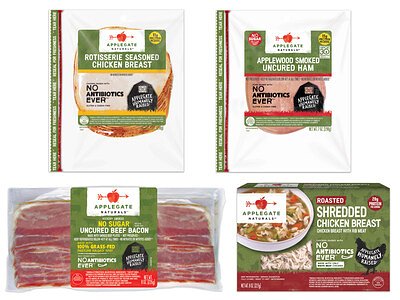
The new lineup includes ready-to-heat options like Roasted Shredded Chicken Breast, flavor-forward deli choices such as Applewood Smoked Uncured Ham and Rotisserie Seasoned Chicken Breast, and a novel Uncured Beef Bacon. In a nod to evolving household needs, the company, a subsidiary of Hormel Foods since 2015, is also introducing larger, family-sized packs of popular items. This product offensive is not merely about adding SKUs; it's a direct response to a food culture grappling with a fundamental tension: the desire for wholesome, responsibly produced food and the relentless pace of modern life that demands quick meal solutions.
A Strategic Play for the Modern Palate
Applegate's latest innovation push is firmly rooted in major market trends that are reshaping the food industry. The global organic meat market, valued at over $17 billion in 2024, is on a steep growth trajectory, projected by some analysts to exceed $54 billion by 2033. This growth isn't just about a niche preference; it reflects a mainstream shift in consumer consciousness.
Today’s shoppers are more educated and inquisitive than ever, prioritizing health and wellness by looking beyond simple nutrition facts. They are driving the “clean label” movement, demanding ingredient lists they can understand and seeking products free from antibiotics, added hormones, and GMOs. Applegate’s introduction of fully cooked, ready-to-heat shredded chicken, boasting 20g of protein per serving, is a textbook example of meeting this need head-on. It targets the time-starved professional or busy parent who wants to prepare a quick, healthy meal without compromising their values on food production.
Furthermore, the demand for convenience is no longer a secondary consideration. The market for ready-to-cook and pre-prepared organic proteins is surging as consumers seek to reduce time spent on meal prep. By offering a versatile protein base that can be easily added to salads, tacos, or soups, the brand is positioning itself not just as a product supplier, but as a meal solution provider. This strategic pivot from raw ingredients to meal components is critical in a competitive landscape where time is the ultimate currency.
Redefining the Plate: From Grass-Fed Bacon to Family-Sized Packs
Beyond general convenience, this launch demonstrates a nuanced understanding of shifting dietary values. The new APPLEGATE NATURALS® Uncured Beef Bacon is perhaps the most telling product in the new lineup. Made from 100% grass-fed, pasture-raised beef with no sugar added, it targets multiple high-value consumer segments simultaneously. The “grass-fed” claim taps into a growing consumer base concerned with animal welfare and the perceived health benefits of pasture-centered diets. The “no sugar added” attribute directly appeals to followers of popular dietary protocols like Whole30 and keto, a demographic known for its brand loyalty and willingness to pay a premium for compliant products.
Similarly, the Applewood Smoked Uncured Ham and Rotisserie Seasoned Chicken Breast are both Whole30 Approved®, a third-party certification that provides an immediate signal of trust and adherence to strict ingredient standards. This alignment with specific dietary communities illustrates a sophisticated marketing approach that goes beyond broad claims of “natural” to meet consumers exactly where they are in their wellness journeys.
The decision to expand pack sizes for staples like the APPLEGATE ORGANICS® THE GREAT ORGANIC UNCURED BEEF HOT DOG® and chicken patties also reflects a key insight. As organic and natural foods become a household norm rather than a specialty purchase, families are looking for value and efficiency. Offering larger packs acknowledges this shift, making the brand a more practical choice for weekly grocery runs and reducing packaging waste per ounce—a subtle but important nod to sustainability-minded consumers.
Navigating a Crowded and Competitive Field
Applegate’s expansion does not occur in a vacuum. The natural and organic protein aisle is an increasingly crowded space. The brand competes with established organic players like Organic Prairie and Niman Ranch, as well as private-label offerings from retailers like Whole Foods Market, which sets its own high bar for animal welfare. Furthermore, conventional meat giants such as Tyson and Perdue have invested heavily in their own “no antibiotics ever” and organic lines, leveraging their immense scale and distribution power.
This is where Applegate’s dual identity as both a mission-driven pioneer and a subsidiary of Hormel Foods becomes a critical factor. Its nearly 40-year history and unwavering mission to “Change The Meat We Eat®” have built a deep well of consumer trust that is difficult for newcomers to replicate. However, its ownership by Hormel provides the financial resources, R&D capabilities, and logistical muscle necessary to innovate and scale at a competitive pace. This backing allows Applegate to launch a multi-product expansion and secure placement in key national retailers like Sprouts and Publix, a feat that would be challenging for a smaller, independent company.
Industry analysts note that the success of such acquisitions hinges on the parent company's ability to allow the acquired brand to maintain its authentic identity. Applegate’s continued focus on its founding principles suggests Hormel has successfully struck this balance, leveraging its resources to amplify the brand's mission rather than dilute it.
The Promise of 'Responsibly Raised'
At the core of this launch, and Applegate’s entire brand, is a set of rigorous standards that give weight to claims like “natural” and “responsibly raised.” For Applegate, this means sourcing from farms where animals are raised without antibiotics or added hormones, fed a vegetarian or pasture-centered diet, and are free of artificial ingredients or synthetic nitrates. These are not just marketing buzzwords; they are verifiable production protocols that underpin the brand’s premium positioning.
“For us, innovation and new product development starts with our standards,” said Joseph O'Connor, president of Applegate, in the company's announcement. “We're always asking how we can make it easier for people to enjoy food that aligns with their values — from ingredient transparency to how that food is sourced and produced. By combining the benefits of taste and convenience with those longstanding standards, we aim to continue to redefine what consumers can expect from Applegate.”
This commitment is what allows the brand to command a premium price in a market where consumers are still sensitive to cost. While taste and price remain primary drivers for most meat purchases, a growing and influential segment of the population is making purchasing decisions based on ethics and production claims. By embedding these values into convenient, accessible products, Applegate is making a compelling argument that consumers no longer have to choose between their principles and their busy schedules.