
- USD 4.6 billion: Global agricultural hydrogel market value in 2024, projected to reach USD 7 billion by 2030. - 50% reduction: Hydrogels can cut irrigation needs by up to half in some studies. - Asia-Pacific dominance: Leading region in hydrogel market growth.
Experts agree that soil hydrogels offer a promising, though not standalone, solution for water-scarce agriculture, with their long-term environmental impact requiring further scrutiny.
Beyond the Dust: How Polymer Science is Reshaping Water-Scarce Farming
ADELAIDE, Australia – May 28, 2026
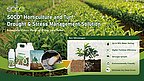
Next week, at the Adelaide Convention Centre, a Chinese materials science company named Qingdao SOCO New Material Co., Ltd. will set up Booth 141 at Hort Connections, a major industry event. On the surface, it’s a standard trade show appearance. SOCO® will showcase its soil hydrogels—super-absorbent polymers designed to help soil retain water. But beneath the routine of product demonstrations and networking lies a far more significant story about the intersection of climate change, agricultural economics, and global innovation.
The presence of a company like SOCO in Australia isn't just about market expansion; it’s a tangible signal of a paradigm shift. As water becomes the 21st century's most contested resource, the technologies that manage it are moving from niche applications to strategic imperatives. SOCO’s push into one of the world's driest inhabited continents highlights a new model for agritech, one that moves beyond selling a simple product and toward deploying integrated, data-driven solutions for a planet under stress.
The Polymer Sponge
At its core, the technology is elegantly simple. SOCO’s hydrogels are cross-linked polymers, primarily forms of potassium polyacrylate, that act like microscopic sponges in the soil. These materials can absorb and hold hundreds of times their weight in water, creating a reservoir directly in the plant's root zone. As the soil dries, the hydrogel gradually releases its stored moisture, reducing the need for frequent irrigation by as much as 50% in some studies and mitigating the impact of short-term droughts.
The global market for these materials is already substantial and growing. Valued at over USD 4.6 billion in 2024, the agricultural hydrogel sector is projected to climb toward USD 7 billion by 2030, with the Asia-Pacific region leading the charge. Scientific literature broadly supports their efficacy, particularly in sandy soils common in many arid regions, where they improve water retention, reduce nutrient leaching, and boost crop survival rates.
However, the technology is not without its complexities. The long-term environmental fate of these polymers is a subject of intense scrutiny and a key regulatory hurdle. Early generations of hydrogels raised concerns about their persistence in soil and potential for containing harmful residues. In response, the industry, including SOCO, is heavily investing in and promoting a new generation of "green" hydrogels that are certified biodegradable and non-toxic. This pivot is critical; for a technology promising sustainability, its own environmental footprint must be impeccable.
A Continent on the Brink
SOCO's choice of Australia as a "most important strategic market" is no accident. The nation is a frontline state in the battle against climate-induced water scarcity. Successive droughts have crippled agricultural output, strained water resources, and forced a national reckoning on water management. Government frameworks like the National Water Initiative have set the stage, but the real work is happening on the ground, where growers, landscapers, and municipal managers are desperate for practical, cost-effective tools.
"As water conservation becomes increasingly critical for the future of agriculture and landscaping, we believe advanced soil hydrogel technologies will play a key role," a regional market representative for SOCO® stated in a recent release.
This statement encapsulates the market opportunity. Hydrogels are not a silver bullet, but they are a powerful component in a broader toolkit for climate-resilient agriculture. They compete with and complement other solutions, from advanced drip irrigation systems and soil moisture sensors to the development of drought-resistant crop varieties. For an Australian farmer weighing the capital cost of a new irrigation system against the operational cost of soil amendments, the economic calculation is complex. This is where the modern agritech playbook diverges from the past.
The Global Agritech Playbook
What makes SOCO's strategy noteworthy is its emphasis on moving "beyond standalone hydrogel products." The company is promoting what it calls its "SAP++ Strategy"—a model built on providing integrated application support, technical consultation, and customized solutions. This includes helping customers optimize dosage, soil integration methods, and irrigation schedules for specific crops and conditions.
This service-oriented approach is a response to a fundamental market reality: technology adoption fails without proper support. By collaborating with local universities and deploying technical specialists, the company is embedding itself in the agricultural ecosystem rather than just shipping boxes. This model, focusing on customized solutions and ongoing partnership, is becoming the hallmark of successful global technology firms, whether they sell software or soil polymers.
This strategy also allows the company to navigate a competitive landscape. While major chemical and materials companies operate in the space, SOCO's focus on deep customization and service for agricultural applications provides a key differentiator. They aren't just selling a polymer; they are selling water efficiency, improved yields, and operational resilience. This value proposition is what brings them to Hort Connections, seeking not just buyers but partners—distributors, agronomists, and large-scale growers who can become nodes in their expanding global network.
From Farm to Park Bench
The implications of this technology extend far beyond the farm gate. The same properties that help a farmer grow crops in a dry field can help a city maintain its green spaces. SOCO is actively targeting the turf and landscaping management sector, a market where water restrictions are often the first to be implemented during a drought.
For urban planners and landscape architects, hydrogels offer a tool to create more resilient urban ecosystems. Parks, golf courses, and public gardens become less of a drain on municipal water supplies. This is crucial in combating the urban heat island effect, where green spaces play a vital cooling role. By making urban greenery more water-efficient, hydrogels contribute to the sustainability and livability of cities grappling with a changing climate.
As SOCO's team prepares to meet with Australian growers and landscape contractors in Adelaide, their showcase represents more than just a new product. It's a case study in how specialized science, a global business strategy, and a pressing environmental need are converging to create new solutions and redefine what it means to grow in the 21st century.