
- 3,000 spots sold out in 71 minutes for Ulta Beauty World 2026, with 3 million people competing for tickets.
- 9 immersive brand environments designed and produced simultaneously by Pop Up Mob.
- Attendees received swag bags worth over $2,000, with events doubling in size from 2025 to 2026.
Experts agree that the overwhelming success of Ulta Beauty World 2026 highlights a significant shift in consumer behavior, where immersive, experiential marketing is becoming essential for building brand loyalty and differentiating in a crowded marketplace.
The Immersive Beauty Boom: Inside Ulta's Experiential Gold Rush
ORLANDO, Fla. – May 28, 2026 – The queue was digital, but the demand was visceral. When tickets for Ulta Beauty World 2026 went on sale, they vanished in 71 minutes. Behind the frenzy were more than three million people vying for just 3,000 spots, a staggering metric that signals a monumental shift in consumer culture. The desire wasn't just for products; it was for an experience. Inside Orlando's Orange County Convention Center, this demand was met with a kaleidoscope of sensory worlds, where brands competed not just for sales, but for memory and loyalty.
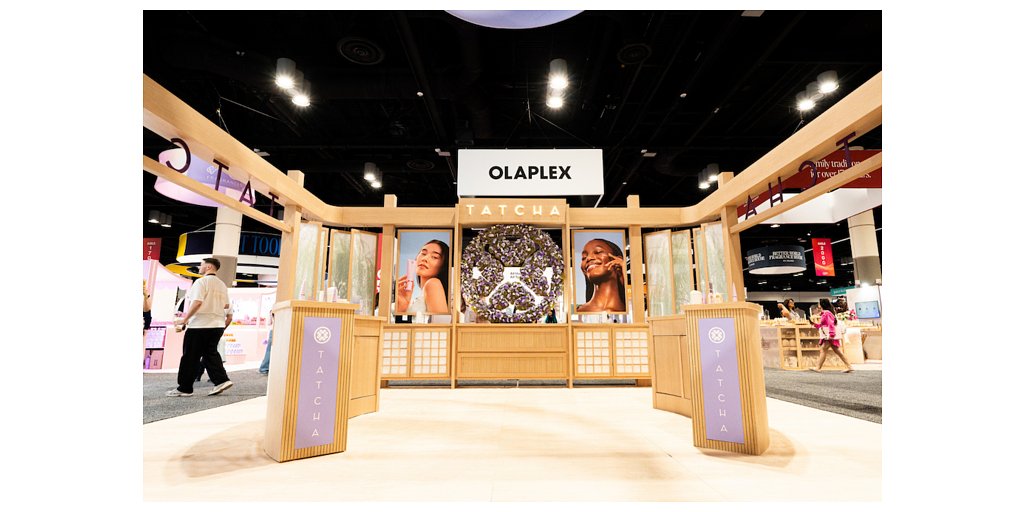
At the heart of this experiential gold rush was Pop Up Mob, a New York-based agency tasked with a Herculean feat: designing and producing nine distinct, immersive brand environments on a single expo floor. For the second consecutive year, the agency translated the campaigns of beauty giants like Cécred, Tatcha, and Olaplex into tangible realities. The event, which doubled in size from its 2025 debut, has rapidly become the beauty industry's answer to Comic-Con, a physical convergence point where digital communities become real-world tribes and brand affinity is forged through direct, memorable interaction.
A New Frontier for Consumer Engagement
The overwhelming demand for Ulta Beauty World underscores a powerful trend reshaping the marketing landscape: the pivot from passive advertising to active, immersive engagement. In an era of digital saturation, consumers are increasingly seeking authentic, in-person connections that a screen cannot replicate. Experiential marketing provides this vital touchpoint, allowing brands to move beyond transactional relationships and build lasting emotional bonds.
The beauty industry, which is inherently sensory, is a natural breeding ground for this revolution. The ability to see, touch, and smell a product is a critical driver for purchase. Events like Ulta Beauty World provide this trial on a massive scale, but their value extends far beyond sampling. Attendees, who received swag bags reportedly worth over $2,000, described the event as a pilgrimage. The value was not just in the free products but in the access—to product demonstrations, expert advice, and meticulously crafted photo opportunities that extend the event’s reach exponentially across social media.
This shift is backed by compelling data. Industry reports indicate that a significant majority of beauty and skincare brands have increased their experiential budgets over the past three years, with many dedicating up to 30% of their total marketing spend to immersive activations. The return on investment is measured not only in immediate sales but in invaluable user-generated content and, most importantly, long-term brand loyalty. In a crowded marketplace, a memorable experience has become the ultimate differentiator.
The Art of Orchestration: Nine Worlds on One Floor
For Pop Up Mob, the challenge at Ulta Beauty World was not just building one compelling pop-up, but nine—simultaneously. Each 30-by-30-foot booth had to function as a self-contained universe, reflecting the unique DNA of its brand while standing out amidst the visual noise of 220 other vendors. The agency managed parallel production tracks for Cécred, Supergoop!, OUAI, Tatcha, Not Your Mother's, Pattern, OSEA, Olaplex, and Tree Hut, handling every detail from initial concept to on-site execution.
"Nine booths at one event means nine different brand stories running in parallel," explained Ana Corina Pelucarte, CEO and Co-Founder of Pop Up Mob, in a statement. "Each one has its own audience, its own concept logic, and its own production timeline. The work is making sure every space feels like it belongs to the brand standing in it, not to the agency that built it."
This philosophy was evident in the sheer diversity of the environments. The agency's full-service, “one-stop shop” model, which integrates strategy, design, fabrication, and live event operations, was critical to managing this complexity. By handling all elements in-house, the firm could ensure a cohesive vision for each brand while streamlining the logistical labyrinth of a large-scale expo. This approach mitigates the fragmentation that often plagues complex projects, allowing brands to entrust their entire physical manifestation to a single partner.
From Digital Campaigns to Physical Realities
The nine booths were masterful translations of marketing campaigns into physical spaces. Each was designed to tell a story and elicit a specific feeling. For Beyoncé's haircare line, Cécred, the Get Hot Studio embodied the campaign promise Take the Heat. Body the Look., creating a high-energy environment built around the brand's new Styling Collection.
In contrast, Supergoop!'s Slopes to Swings booth cleverly positioned SPF as a year-round necessity, merging an après-ski aesthetic with a sunny, post-tennis vibe. Tatcha's Hiyori Pavilion offered a moment of zen, translating the Japanese concept of a perfect day for being in the light into a modern, serene ritual space to highlight its Milky Sunscreen. OSEA's Sea Ritual brought the coastal atmosphere indoors, grounding its seaweed-based skincare in the sensory experience of its source.
Other activations dove into playful and retro themes. Pattern HQ, for Tracee Ellis Ross's haircare brand, was a 1980s office-core science lab, playfully asserting that Pattern was engineering curls when no one else was. Tree Hut's Goopland brought its television commercial to life as a gooey, tactile playground celebrating bold self-expression. Meanwhile, Olaplex reprised its successful SoHo Lab concept, giving attendees hands-on demonstrations of the science behind its bond-building technology.
These meticulously designed worlds served a dual purpose: they provided an engaging, memorable experience for the consumer on the floor and were engineered to be content-creation machines. Every angle, texture, and lighting choice was made with a smartphone camera in mind, ensuring the 3,000 attendees would become powerful brand ambassadors, broadcasting their experiences to millions more online.
The Future of Retail Is an Experience
The meteoric rise of Ulta Beauty World, which evolved from an internal Field Leadership Conference into a blockbuster consumer event, is a powerful indicator of where the retail industry is headed. The lines between marketing, entertainment, and commerce are blurring into a single, cohesive experience. Brands are no longer just occupants of a shelf; they are hosts, curators, and creators of culture.
The success of the event demonstrates that consumers are willing to invest their time and money to engage with brands on a deeper level. They are seeking community, education, and entertainment—and they are rewarding the brands that provide it. As the digital marketplace becomes more saturated, the value of these physical, high-touch moments will only continue to grow. The future of beauty retail is not just about selling products, but about creating worlds that customers want to live in, even if only for an afternoon.