
- $3,000 annually: The average American household loses due to food spoilage.
- $1,600: Amount wasted on fresh produce alone each year.
- 3x longer: Skipper claims its hydration tech can extend produce freshness.
Experts would likely agree that while refrigeration is essential for food preservation, its dry environment accelerates produce spoilage, and active humidity control could significantly reduce waste and nutritional loss.
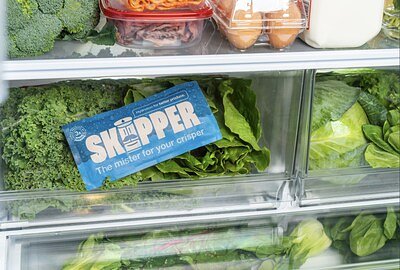
The Cold, Hard Truth: Your Fridge Is Drying Out Your Food and Wallet
MINNETONKA, Minn. – June 02, 2026 – For generations, the refrigerator has been the undisputed cornerstone of food preservation, a household appliance built on the simple promise that cold keeps things fresh. Yet, within its chilled walls lies a paradox that costs the average American household nearly $3,000 a year. We dutifully stow away our vibrant, healthy produce, only to find it wilted, limp, and destined for the trash bin days later. The culprit isn't a malfunction; it's a fundamental design flaw. The very mechanism that keeps our food cold—circulating dry air—is actively working against the freshness of our most perishable groceries.
This systemic gap in food preservation has quietly fueled a crisis of waste. Now, a new consumer brand named Skipper, born from the humidity-control expertise of its parent company Boveda Inc., is proposing a deceptively simple fix. By introducing active hydration into the one place it's been missing, the company claims it can help produce stay fresh up to three times longer, challenging a century of thinking about how we store our food.
The Hidden Cost of Cold, Dry Air
The financial toll of produce spoilage is staggering. According to the U.S. Environmental Protection Agency, the average American household of four discards food worth nearly $3,000 annually, with fresh produce accounting for a significant chunk—around $1,600. This isn't just a matter of forgetting about the lettuce in the back of the drawer; it's the result of an environment that is inherently hostile to plant life.
Fresh fruits and vegetables are mostly water. Once harvested, they continue to 'breathe' through a process called transpiration, releasing water vapor into the air. A standard refrigerator, particularly a modern frost-free model, is designed to be a dehumidifier, constantly pulling moisture from the air to prevent ice buildup. This creates an arid environment that accelerates transpiration, literally pulling the life out of our produce. The result is the familiar sight of shriveled carrots, limp celery, and wilted greens.
But the damage is more than skin deep. Research in post-harvest food science confirms that this moisture loss directly correlates with nutritional degradation. Key water-soluble nutrients like Vitamin C and folate begin to break down as plant cells lose their structural integrity. This process of oxidation can begin long before wilting becomes visible to the naked eye, meaning that by the time produce starts to look sad, its nutritional value has already been significantly compromised.
A Systemic Gap in Food Preservation
Refrigerator manufacturers have long been aware of this issue, leading to the creation of the crisper drawer. These drawers, often with adjustable vents, were an attempt to create a more humid microclimate. However, they are a passive solution, merely managing airflow rather than actively controlling hydration. They can trap some of the moisture produce naturally releases, but they cannot add moisture when the environment becomes too dry.
"We've all been taught that putting food in the refrigerator is how you keep it fresh," said Sean Knutsen, CEO of Boveda Inc. "But the refrigerator was really only designed to do one thing well: manage temperature. The crisper drawer was an acknowledgment that humidity matters, but acknowledging something and actually controlling it are two very different things."
Knutsen frames the problem not as a minor inconvenience, but as a systemic failure with enormous consequences. "When you think about how much food people throw away every week, and how much money that represents, it becomes hard to see this as a minor inconvenience," he stated. "The fix is actually simple, once you've identified what's missing."
Beyond the Crisper: The Rise of Active Hydration
Skipper's solution, called Fridge Hydration, is designed to be that missing piece. The small, unassuming device sits inside the crisper drawer and leverages Boveda's proven two-way humidity control technology. For over two decades, Boveda has been the global leader in this field, perfecting its patented system for industries where precise humidity is non-negotiable, such as preserving fine cigars, musical instruments, and cannabis.
The technology works using a saturated salt solution sealed within a water-vapor-permeable membrane. This simple scientific principle allows the packet to maintain a precise relative humidity. If the air in the crisper is too dry, the device releases purified water vapor. If excess moisture risks creating an environment for mold, it absorbs it. This active, dynamic balancing act is what separates Skipper from passive produce-saving gadgets, like ethylene-absorbing pods or specialized containers that simply seal in existing moisture.
By actively maintaining the ideal hydration balance, Skipper slows transpiration, helping produce maintain its crispness, vibrancy, and, critically, its nutrient density. The device is designed for convenience, working automatically for up to three months before needing replacement.
From Crisper Drawer to Climate Action
While the immediate benefits for the consumer are financial savings and better-tasting food, the implications of such a technology extend far beyond the individual kitchen. Household food waste is a massive environmental problem. In the United States, food is the single largest component taking up space in municipal landfills, where its decomposition releases methane, a greenhouse gas over 25 times more potent than carbon dioxide.
The resources squandered in producing food that is never eaten are immense—from the water used for irrigation to the fuel used for transport. By empowering consumers to significantly extend the life of their produce, a simple device like Skipper represents a form of micro-action with the potential for macro-impact.
It marks a shift in our relationship with technology in the home, moving from a brute-force approach of simply making things cold to a more nuanced, sophisticated understanding of biology. By addressing the forgotten variable of humidity, we can make our existing systems work better, reducing waste, saving money, and rebuilding a measure of trust in the tools we rely on every day to nourish ourselves and our families.