
- $109–$159: Ticket price range for the Heritage Fire culinary festival.
- 50+ working farms and fisheries: The Peninsula's agricultural foundation.
- 25+ Michelin-recognized restaurants: Culinary assets in the region.
Experts would likely conclude that the Peninsula's investment in Heritage Fire is a strategic move to boost tourism ROI through experiential culinary branding, leveraging local assets and partnerships for long-term economic impact.
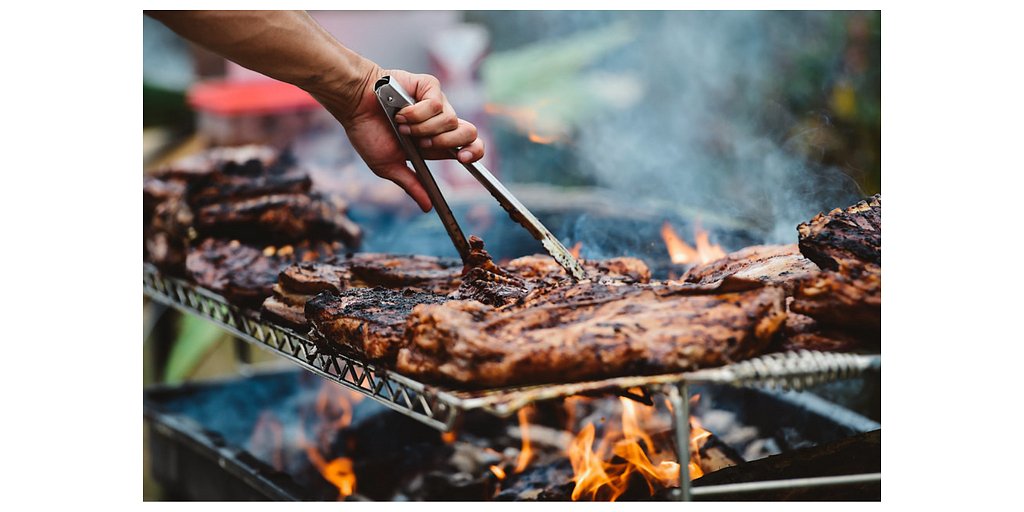
Peninsula's Culinary Bet: Is Heritage Fire the Key to Unlocking Tourism ROI?
SAN MATEO, CA – June 17, 2026 – The announcement that the renowned Heritage Fire culinary festival is coming to the San Francisco Peninsula this July is more than just another date for a food lover's calendar. For the executive investor, it represents a calculated and strategically significant move by the region's destination marketing organization (DMO). By hosting this high-profile, live-fire cooking event at Coyote Point, The San Francisco Peninsula is igniting a multi-year initiative aimed at cementing its identity as a world-class culinary destination, distinct from its famous neighbors. This isn't just about celebrating good food; it's a multi-million dollar investment in the powerful and growing market of experiential tourism.
A Strategic Pivot to Experiential Economics
In today's competitive tourism landscape, destinations can no longer rely on passive attractions alone. The modern traveler, particularly in the high-income brackets, seeks immersive, authentic experiences. Culinary tourism has exploded into a major economic driver, with travelers planning entire itineraries around unique food and beverage opportunities. The San Francisco Peninsula's leadership understands this shift intimately. Their multi-year culinary initiative, with Heritage Fire as a flagship event, is a direct investment in this experience economy.
"The San Francisco Peninsula’s culinary identity is defined by its diversity of flavors, strong agricultural roots and extraordinary talent,” said Maggie Lang, Chief Sales & Marketing Officer for The San Francisco Peninsula. “As we invest in a multi-year effort to tell our destination’s food story, Heritage Fire is a natural fit as it brings our culinary community together in a way that is authentic, experiential and deeply connected to this region.”
This strategy is built on a formidable foundation. The region boasts over 50 working farms and fisheries, a staggering 25+ Michelin-recognized restaurants, and a rich tapestry of over 80 global cuisines. For years, these assets have existed, but the initiative represents a concerted effort to package and market them to a global audience. By partnering with a nationally recognized brand like Heritage Fire, the DMO is effectively 'borrowing' its credibility and marketing reach to accelerate its own brand-building efforts. This is a classic and highly effective business strategy: leverage a powerful partner to enter a new market or solidify a new position.
The 'Heritage Fire' Model: A Blueprint for Authentic Engagement
Choosing Heritage Fire, produced by the live experience agency a21, is a particularly shrewd decision. The event's model is not a generic food and wine festival. Its entire premise is built on pillars that resonate strongly with the Peninsula's specific assets: live-fire cooking, a focus on whole-animal and sustainable sourcing, and the celebration of local chefs and agricultural producers. This creates a powerful narrative that is both authentic and highly marketable.
The walk-around tasting format, where guests interact directly with chefs cooking over open flames, transforms dining from a passive activity into an engaging spectacle. The competitive element, where a "Heritage Hero" is crowned, adds a layer of drama and elevates the participating chefs, creating local celebrities and fostering a sense of community pride. It’s an experience that generates high-value social media content and word-of-mouth marketing that traditional advertising struggles to replicate.
The choice of venue is also telling. “Coyote Point has long been one of San Mateo County's most treasured outdoor spaces, with its sweeping bayside views and natural beauty making it the perfect backdrop for an event that celebrates community and connection," noted Nick Calderon, Deputy County Executive of San Mateo County. Placing the event in a beloved public park reinforces the message that this is an initiative for and by the community, designed to showcase the region's natural beauty alongside its culinary prowess.
Measuring the ROI Beyond the Ticket Price
From an investor's perspective, the success of this initiative will be measured far beyond the revenue from ticket sales, which range from $109 for general admission to $159 for early entry. The true return on investment (ROI) lies in the broader economic impact and long-term brand equity.
First, there is the direct economic infusion. Visitors drawn by the event will book hotel rooms (the region has 140), dine at other local restaurants, and spend money at retail establishments. This is the 'halo effect' that DMOs strive for, where a single event lifts the entire local economy. The tiered ticketing structure itself is a savvy revenue optimization strategy, capturing maximum value from both enthusiastic foodies and more casual attendees.
Second, the partnership with Event Zero Inc., a nonprofit focused on sustainable event practices, is a critical and forward-thinking move. In an era of increasing consumer scrutiny, a demonstrable commitment to sustainability is no longer a 'nice-to-have' but a core component of brand reputation and risk management. This alignment protects the brand from potential criticism and appeals to the values of the affluent, educated demographic they are targeting.
Finally, the long-term ROI is about brand positioning. By successfully hosting events like Heritage Fire, The San Francisco Peninsula carves out a unique identity in a crowded market. It’s not just 'the area near San Francisco'; it becomes a destination in its own right, known for a specific type of authentic, high-quality culinary experience that blends agricultural heritage with global sophistication. This brand equity is invaluable, attracting future events, investment, and a steady stream of high-spending tourists for years to come. This strategic fire, if stoked correctly, could fuel the region’s tourism economy for the foreseeable future.