
- Market Growth: The longevity market is projected to expand from nearly $10 billion in 2026 to over $16 billion by 2033.
- Product Innovation: Creatine+ combines creatine monohydrate, HMB, and pomegranate polyphenols to target muscle, recovery, and cognition.
- Expert Involvement: Dr. Michael Fredericson, Co-Director of the Stanford Center on Longevity, advised on the product's development.
Experts would likely conclude that Elysium Health's Creatine+ represents a strategic shift in the longevity economy, leveraging scientific credibility and venture capital to reframe aging as an engineering challenge with broad economic implications.
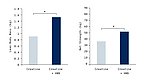
Beyond the Gym: How the Longevity Economy is Repurposing Creatine
NEW YORK, NY – June 15, 2026 – Today, longevity science company Elysium Health launched Creatine+, a dietary supplement combining three ingredients to support muscle, recovery, and cognition. On the surface, it’s another product entering a crowded wellness market. But look closer, and you’ll see the announcement isn’t just about a new powder to mix into your water. It’s a clear signal of a profound structural shift underway—the industrialization of “healthspan” and the reframing of human vitality as a critical, and marketable, economic asset.
For decades, creatine was the undisputed king of the locker room, a staple for athletes and bodybuilders seeking an edge in power and performance. Its new packaging, however, isn't aimed at the weight rack. It’s aimed at the boardroom, the retirement community, and anyone looking to optimize the machinery of their own body for the long haul. Elysium’s move is a masterclass in market transformation, taking a well-understood compound and repositioning it as a foundational tool not for a season of sport, but for a lifetime of functional independence. This is the engine of the longevity economy firing on all cylinders.
Deconstructing the Human Engine
The core of the Creatine+ strategy lies in its systems-based approach to biological aging, a methodology more akin to industrial engineering than traditional wellness. The product deconstructs the challenge of age-related decline into distinct, addressable pathways, then combines specific molecules to target them.
First is the workhorse: high-purity micronized creatine monohydrate. Its primary role in the body is to help regenerate adenosine triphosphate (ATP), the fundamental currency of cellular energy. For an aging individual, whose natural creatine production and muscle mass are declining, this isn't just about one more rep in the gym; it’s about the energy required for daily mobility and cognitive processing.
Second, the formulation adds HMB (β-hydroxy β-methylbutyrate), a compound that acts as a defensive line, working to prevent muscle protein breakdown. The synergy is clear: creatine helps build and power the muscle; HMB helps protect that investment. This addresses a core economic problem of aging: the high metabolic cost of sarcopenia, or age-related muscle loss, which leads to frailty, loss of independence, and increased healthcare burdens.
Finally, the inclusion of pomegranate polyphenols, which serve as precursors to a molecule called urolithin A, targets the power plants of the cell: the mitochondria. Research indicates that urolithin A supports mitophagy, the body's quality-control process for removing and recycling damaged mitochondria. By improving mitochondrial health, the system aims to enhance cellular energy production at its source. It's a comprehensive strategy: fuel the system, protect the assets, and upgrade the power grid.
“Creatine has become one of my favorite supplements for supporting the maintenance of lean body mass, strength, and performance as we age,” noted Dr. Michael Fredericson, Co-Director of the Stanford Center on Longevity, who advised on the product's development. His involvement signals a deeper trend: the migration of top-tier academic capital from theoretical research into commercially available applications.
The Industrialization of Healthspan
Elysium Health is not a scrappy startup. Backed by a formidable roster of venture capital firms including General Catalyst, Morningside Ventures, and Breyer Capital, as well as Mayo Clinic Ventures, the company is a case study in the industrial-scale manufacturing of longevity solutions. The launch of Creatine+ is a calculated strategic play to capture a slice of a market projected to grow from nearly $10 billion in 2026 to over $16 billion by 2033.
The real brilliance of the strategy is the expansion of the total addressable market. By framing creatine as a tool for longevity, Elysium pivots from the niche, albeit large, market of athletes to the universal market of aging humans. This is a demographic that includes every single person. As Elysium CEO Eric Marcotulli stated, “That shift reflects a growing recognition that muscle health is one of the most important predictors of long-term health, independence, and quality of life.”
This isn't just marketing language; it’s an economic thesis. An aging global population presents one of the greatest challenges to modern economies, primarily through rising healthcare costs and shrinking workforces. The emerging longevity industry is positioning itself as part of the solution, offering products that aim to increase “healthspan”—the years of healthy, productive life. By maintaining muscle mass and cognitive function, individuals can potentially remain in the workforce longer, reduce their reliance on healthcare systems, and maintain a higher quality of life, all of which have direct economic benefits.
Building the Credibility Infrastructure
In the largely self-regulated landscape of dietary supplements, where the FDA does not approve products for efficacy before they hit the market, trust is the most valuable currency. Elysium has built its entire brand on creating a powerful infrastructure of scientific credibility.
The company’s Scientific Advisory Board reads like a who’s who of modern science, studded with Nobel laureates and researchers from institutions like MIT and Oxford. The prominent mention of Dr. Fredericson’s role and his affiliation with the Stanford Center on Longevity is a key part of this strategy. It serves as a powerful signal to consumers navigating a confusing market, leveraging institutional prestige as a proxy for product quality and scientific validity.
This model—marrying venture capital with academic validation to commercialize scientific research—is becoming the dominant paradigm in the wellness-tech sector. It attempts to solve the industry’s trust deficit by creating products that are not just “all-natural” but “scientifically rigorous.” While this doesn't replace the need for independent, third-party verification and long-term clinical data on specific formulations, it represents a significant evolution in how health products are developed and brought to market.
Ultimately, the launch of Creatine+ is significant less for the ingredients in the bottle and more for the economic and industrial systems it represents. It demonstrates the power of capital and science to reframe a biological process—aging—as an engineering problem to be solved. As our world grapples with the economic implications of an aging population, the race is on to build and maintain the human engine for as long as possible, and a new industry is rising to meet that challenge.