
- $360 million: Reported sale price of Tara Bosch's previous startup, SmartSweets
- $50 billion: Global 'better-for-you' snack market value in 2024, projected to exceed $78 billion by 2030
- 65,000 sq. ft.: Size of Snackish's vertically integrated manufacturing facility, a first-of-its-kind in North America for a brand of this nature
Experts would likely conclude that Snackish represents a strategic evolution in the CPG space, combining vertical integration, influencer ownership, and health-focused innovation to disrupt the competitive snack market.
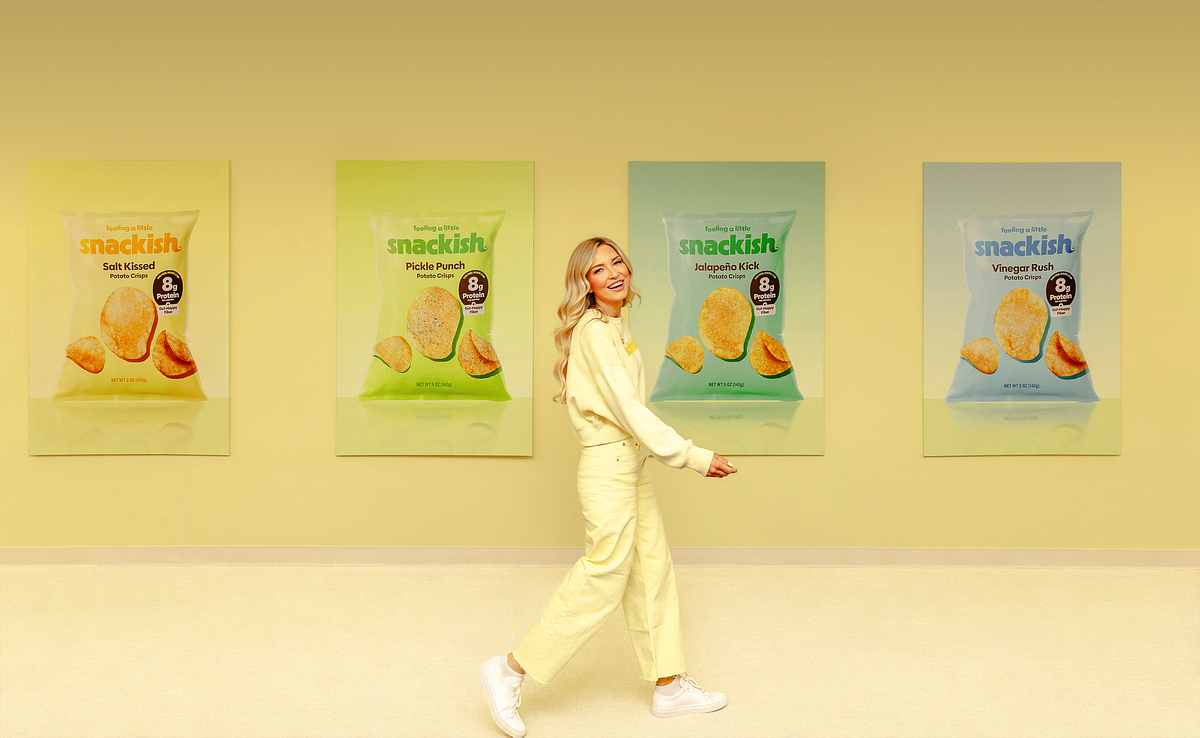
Beyond the Bag: Snackish's Recipe for a Modern CPG Empire
VANCOUVER, BC – June 17, 2026 – Six years after selling her candy startup SmartSweets for a reported $360 million, Tara Bosch is stepping back into the consumer packaged goods arena. But this time, she's trading the candy aisle for the chip aisle. Today marks the North American launch of Snackish, a new brand of potato chips built on the audacious promise to "Eat Chips Every Day," debuting on shelves at Target in the U.S. and Loblaws and Whole Foods across Canada.
While the launch of another "better-for-you" snack might seem commonplace in a market saturated with health-conscious options, Bosch's second act is anything but typical. Snackish isn't just a new product; it's a meticulously crafted business model designed for the modern era—one that combines personal mission with vertical integration, self-funding, and a groundbreaking approach to influencer marketing that turns creators into owners.
A Recipe for Disruption, Served Twice
Bosch's entrepreneurial philosophy is deeply personal. "I don't start with a market gap. I start with a person I love who is being failed by what exists, then I go create it," she stated in the launch announcement. This ethos was the foundation of SmartSweets, born from a desire to share low-sugar candy with her grandmother. Now, it's her daughter Willa's love for potato chips that has sparked Snackish.
She enters a booming but fiercely competitive field. The global "better-for-you" snack market was valued at over $50 billion in 2024 and is projected to exceed $78 billion by 2030. North America is the hungriest market, with consumers increasingly scrutinizing labels for clean ingredients, functional benefits, and lower sugar and fat content. To succeed, a new entrant needs more than just a good story; it needs a distinct edge.
Snackish's edge comes from bridging the gap between indulgence and health. Where brands like Hippeas offer chickpea-based alternatives and Siete champions grain-free options, Snackish is unapologetically a potato chip. It retains the core elements consumers crave—real potatoes, bold seasoning, and a satisfying crunch—while re-engineering what's inside. Each bag boasts potato-powered protein, 4 grams of gut-happy prebiotic fiber, and is kettle-cooked in avocado oil, a direct appeal to consumers wary of inflammatory seed oils common in conventional snacks.
The Snacktory: Building an Empire from the Ground Up
Perhaps the boldest move in the Snackish playbook is its operational independence. The company is self-funded and vertically integrated, a rarity for a startup. Central to this strategy is the "Snacktory," a wholly-owned 65,000-square-foot manufacturing facility that Bosch's team built from the ground up. This move, described as a first of its kind in North America for a brand of this nature, gives Snackish an unprecedented level of control.
By owning the means of production, the company can meticulously manage quality control, from sourcing ingredients to ensuring every bag meets its nutritional promises. This insulates it from the supply chain vulnerabilities and third-party manufacturing bottlenecks that have plagued many CPG brands. More importantly, it provides the agility to innovate rapidly, testing new flavors and formulations without external dependencies. While the scale of Bosch's self-funded investment remains private, her experience building SmartSweets—a venture she grew with strategic debt financing before its acquisition—suggests a calculated and ambitious capital strategy.
This operational control is fundamental to building trust. In a market where health claims can be murky, owning the entire process from potato to package is a powerful statement of transparency and commitment to quality.
The New Ownership Table: Creators as Partners
Beyond its physical infrastructure, Snackish is building a social-forward company by redefining the role of influencers. Instead of transactional partnerships, Bosch has invited a slate of high-profile creators to the ownership table from day one. Figures like Kat Stickler, Aspyn Ovard, and Mikayla Matthews of The Secret Lives of Mormon Wives are not just paid promoters; they are equity-holding partners.
"I'm passionate about giving other women a seat at the table," Bosch says. This statement is reflected not only in her women-led leadership team, where every member holds meaningful equity, but also in this innovative creator model. By aligning the financial interests of influencers with the long-term success of the brand, Snackish aims to cultivate a deeper, more authentic form of advocacy. These creators become genuine evangelists, their content serving as an extension of the brand's own narrative because their success is intrinsically linked.
This strategy moves past the transient nature of sponsored posts, creating a powerful, community-driven marketing engine. It’s a bet that in the modern creator economy, shared ownership is the ultimate tool for building an authentic, lasting connection with consumers.
Cracking the Code of a 'Better' Chip
Ultimately, Snackish's success will be decided in the shopping cart. With a premium price point of $7.99 per bag, it must convince consumers its value proposition is worth the cost. The brand is launching with five bold flavors, including BBQ Bash, Jalapeño Kick, and a Canadian-exclusive, Best Dressed, signaling a focus on taste that rivals traditional market leaders.
The strategic choice of launch partners—Target for mass-market reach in the U.S., and Loblaws and the health-focused Whole Foods in Canada—demonstrates a multi-pronged retail strategy. This allows the brand to simultaneously court mainstream snackers and capture the dedicated wellness consumer. The product's certifications, including Non-GMO Project Verified and Certified Gluten-Free, further solidify its credentials in the premium health food space.
With Snackish, Tara Bosch is not just launching a new chip. She is presenting a new thesis for what a modern CPG brand can be: personally driven, operationally robust, community-owned, and relentlessly focused on earning a place in the daily habits of a new generation of consumers.