
- 4,800 transit workers in Metro Vancouver are affected by the contract negotiations.
- 1.5 million boardings occur each weekday on the transit system.
- $41/hour is the wage for a top-tier transit operator, but rising costs (e.g., $2,800/month for a one-bedroom apartment) strain affordability.
Experts would likely conclude that these negotiations are critical for ensuring fair wages, safe working conditions, and a stable transit system in Vancouver, with the added complexity of adapting to technological advancements in the industry.
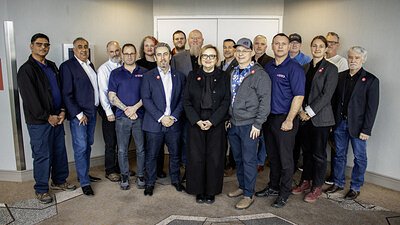
Transit Talks Begin: Wages, Tech, and Rider Fate on the Line in Vancouver
VANCOUVER, BC – February 02, 2026 – Contract negotiations officially commenced today between Unifor and Coast Mountain Bus Company (CMBC), setting the stage for a critical bargaining period that will determine the future for over 4,800 Metro Vancouver transit workers and the reliability of a system that serves 1.5 million boardings each weekday. The union, representing transit operators, skilled trades, and SeaBus workers, entered the talks with a firm focus on cost of living pressures, health and safety, and the looming impact of technological change.
The current collective agreement is set to expire on March 31, 2026, creating a two-month window for the two sides to find common ground and avert a potential service disruption that could paralyze the region. Unifor Locals 111 and 2200, negotiating as a joint committee, have made it clear that the status quo is no longer sustainable for their members.
"Transit workers deserve improved wages, safe working conditions, and the dignity to do their jobs without constant surveillance or unrealistic scheduling pressures," said Unifor National President Lana Payne in a statement. "These are not perks. These are fundamental human rights that directly impact safety for workers and riders alike."
The Squeeze of an Unaffordable City
At the heart of the union's demands is the stark economic reality of living in Metro Vancouver. The region consistently ranks as one of Canada's most expensive, and the union argues that wages have not kept pace, placing an immense strain on the essential workers who keep the city moving. Unifor Local 111, which represents 3,866 transit operators, has placed wages and benefits at the top of its agenda.
While a top-tier transit operator can earn over $41 an hour, the purchasing power of that wage is continually eroded by a punishing cost of living. Average rents for a one-bedroom apartment in the city of Vancouver have soared past $2,800 a month, and the benchmark price for a condominium hovers near the million-dollar mark. This forces many workers into long commutes from more affordable suburbs or to dedicate an unsustainable portion of their income to housing.
The union is also highlighting deteriorating working conditions, citing scheduling pressures that reportedly limit operators' ability to take reasonable breaks or access washrooms during their shifts. These issues contribute to worker burnout, a key concern that Unifor Western Regional Director Gavin McGarrigle says must be addressed.
"This round of bargaining is about respecting the realities of the work, protecting workers from burnout, and ensuring public transit remains safe and reliable for the communities it serves," McGarrigle stated. The negotiations aim to secure not just a living wage but also working conditions that reflect the immense responsibility of transporting hundreds of thousands of people daily.
Navigating a Technological Crossroads
Beyond wages, the negotiations are unfolding under the long shadow of technological disruption. Unifor Local 2200, representing 1,002 skilled trades, maintenance, and SeaBus workers, is pushing for protections related to the rapid modernization of the transit system. Their priorities include aligning wages with other skilled trades at TransLink and, crucially, ensuring workers have a voice in how new technologies are implemented.
CMBC, a subsidiary of TransLink, is actively pursuing a greener, more modern fleet. The company has been expanding its fleet of battery-electric buses and is investing heavily in the charging infrastructure required to support them. While this transition is key to the region's climate goals, the union is concerned about its impact on the workforce. The maintenance of complex electric vehicles requires different skills than traditional diesel buses, and Local 2200 is seeking guarantees for retraining and job security for its members.
The union's concerns extend to the introduction of autonomous vehicles, specifically mentioning their potential use in bus yards. While fully driverless buses are not yet on Vancouver's streets, the use of automation in operational depots could impact jobs related to vehicle movement and servicing. Unifor is demanding a seat at the table to manage this transition, ensuring that technological progress doesn't come at the cost of its members' livelihoods.
The High Stakes of a Potential Standoff
The importance of these negotiations extends far beyond the bargaining table. A potential labor dispute threatens to disrupt the economic and social fabric of Metro Vancouver. The last major transit strike in 2019 saw weeks of escalating job action that culminated in a full system shutdown of bus and SeaBus services, causing chaos for commuters and significant economic losses for local businesses. That dispute, which also centered on wages and working conditions, was resolved at the eleventh hour, but it serves as a stark reminder of the region's vulnerability to transit disruptions.
TransLink's financial health adds another layer of complexity to the talks. The transit authority reported a forecasted surplus of $135.3 million for 2025, a figure bolstered by higher-than-expected property tax revenue and a one-time provincial contribution. However, leadership has also warned of a serious long-term funding gap and the pressing need to replace an aging fleet, with nearly half of its buses having less than three years of useful life remaining. This fiscal pressure will undoubtedly be a factor as CMBC weighs the union's demands against its own budgetary constraints.
For now, both sides are maintaining a professional front as they exchange initial proposals. However, with significant ground to cover on wages, benefits, working conditions, and the future of transit work itself, the path to a new agreement is far from certain. With the contract deadline of March 31 looming, the coming weeks will determine if a deal can be reached without disrupting the daily journeys of hundreds of thousands of Metro Vancouver commuters.