
- 12% decline in global XR headwear shipments in 2026
- 15% drop in standalone XR headset shipments to 4.7 million units
- 19% growth in tethered XR glasses shipments in 2026, projected to reach 3.8 million units by 2030
Experts agree that the XR industry is shifting from bulky headsets to lightweight, socially acceptable smart glasses, driven by consumer demand for practical, everyday utility and technological advancements in wearable displays.
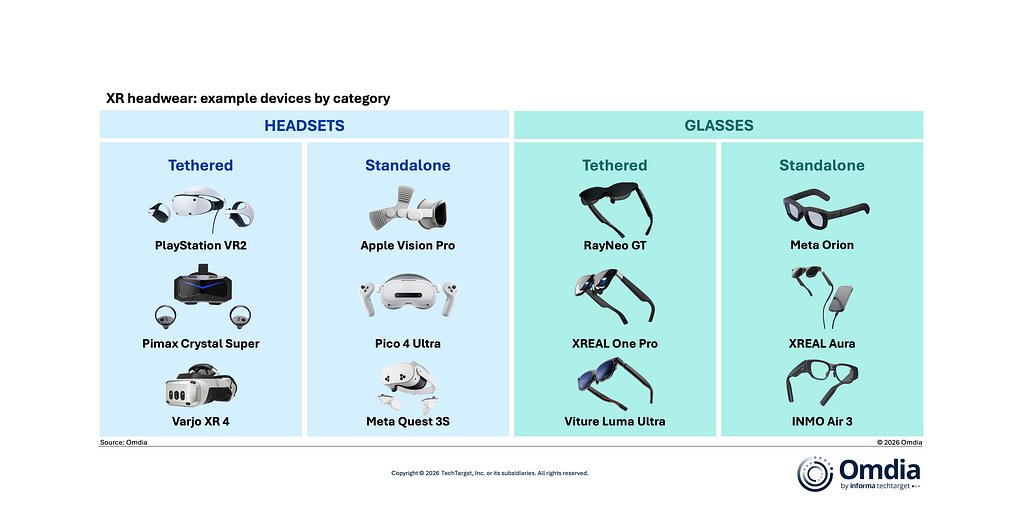
The Incredible Shrinking Headset: XR's Future is in Lightweight Glasses
LONDON, UK – June 16, 2026 – The grand vision of an immersive metaverse, experienced through bulky, all-encompassing headsets, is facing a significant reality check. New market forecasts reveal a pivotal shift in the extended reality (XR) landscape—not away from the technology itself, but towards a more subtle, integrated, and wearable future. According to the latest analysis from research group Omdia, global shipments of XR headwear are set to decline by 12% in 2026, a contraction that masks a deeper story: the slow fade of the cumbersome headset and the rapid rise of lightweight smart glasses. This evolution isn't just about hardware preference; it's about a fundamental change in how we envision the intersection of our digital and physical lives.
The Great Unbundling: Why Bulky Headsets Are Fading
The data paints a stark picture for the devices that once defined virtual and augmented reality. The standalone XR headset category, which includes high-profile products like the Meta Quest 3 and the Apple Vision Pro, is projected to see shipments fall by 15% in 2026 to 4.7 million units. This isn't a temporary dip; Omdia notes it will mark the fifth consecutive year of decline for the category since its peak during the pandemic. The core issue, as one analyst puts it, is a struggle to “demonstrate everyday utility for mainstream consumers.” Despite maturing technology, the physical reality of wearing a heavy, socially isolating device has proven to be a major barrier to mass adoption. Consumers, it seems, are not yet ready to replace their physical world with a fully virtual one for extended periods.
The high cost of entry, particularly for premium devices like Apple's Vision Pro, further confines these powerful tools to a niche of enthusiasts, developers, and enterprise clients. Even Meta, the category's staunchest evangelist, has reportedly tempered its short-term expectations for the metaverse, signaling a strategic pivot. Omdia's forecast suggests a potential recovery for headsets might not arrive until 2028, and even that is contingent on a major catalyst: the introduction of a more financially “accessible” Vision Pro from Apple, a move that could spur renewed competition from giants like Samsung and Vivo. Without such a development, the future for immersive headsets remains uncertain.
The Rise of the Wearable Screen
As the headset market contracts, a new category is rapidly expanding to fill the void: tethered XR glasses. This segment, led by a wave of innovative companies, is projected to grow by an impressive 19% in 2026, reaching 900,000 units. Omdia's long-term forecast is even more bullish, predicting shipments will surge to 3.8 million units by 2030. Unlike their bulkier cousins, these devices are not designed to replace reality but to augment it discreetly. Functioning primarily as a wearable, private screen, they connect to a smartphone, console, or PC. This allows users to watch movies on a virtual big screen while on a plane, play games with an expanded field of view, or manage multiple virtual monitors for productivity without being tethered to a desk. By offloading processing and power to a connected device, manufacturers can focus on what consumers increasingly demand: a lightweight, comfortable, and socially acceptable form factor. This approach is proving to be a winning strategy, tapping into existing use cases and device ecosystems rather than trying to create an entirely new one from scratch.
The Trojan Horse: How AI Glasses Normalized Face-Worn Tech
Perhaps the most crucial factor driving this market shift has been the unexpected success of a related category: AI glasses. Devices like the Ray-Ban Meta Smart Glasses, which lack a visual display but integrate cameras, audio, and AI assistants, have achieved something that has long eluded XR pioneers: social acceptance. According to George Jijiashvili, Senior Principal Analyst at Omdia, “Following three years of rapid growth, AI glasses have begun normalizing face-worn computing for daily use.” This normalization is critical. By embedding technology into a familiar and fashionable form factor, these products have acted as a Trojan horse, acclimating the public to the idea of wearing intelligent devices on their faces. Competing market research from firms like IDC confirms this trend, noting that these glasses are devices people are “genuinely unafraid to be seen wearing in public.” The explosive growth in this segment—with some reports showing a 167% year-on-year surge in a single quarter—is creating a powerful ripple effect. Jijiashvili notes that this “growing consumer familiarity is directly fueling the XR glasses segment, laying groundwork for an industry-wide evolution toward slimmer glasses form factors.” The psychological barrier is being dismantled, one stylish frame at a time.
Eastward Bound: China's Ascendancy in the XR Glasses Revolution
While Silicon Valley giants have poured billions into all-in-one headsets and grand metaverse ambitions, the leadership in the burgeoning XR glasses market is emerging from the East. Chinese vendors like Xreal and RayNeo (a TCL brand) are at the forefront of the tethered glasses revolution, dominating the segment with innovative and increasingly affordable products. These companies have astutely focused on delivering practical value through a lightweight form factor, a strategy that is clearly resonating with consumers. Market data shows these brands rapidly gaining share, with their low-cost, high-functionality display glasses driving much of the category's growth. Their approach contrasts sharply with the top-down, ecosystem-first strategy of Apple and Meta. Instead of waiting for a “killer app,” they are providing a “killer feature”: a private, portable big screen. This focus on immediate utility, combined with aggressive pricing and rapid product iteration, is allowing them to define the early market and influence the trajectory of wearable displays globally.
The Road Ahead: Navigating Technological Hurdles and Social Frontiers
Despite the clear momentum toward glasses, the road to mainstream, all-day wearable computing is still paved with significant challenges. The ultimate goal for many is the standalone XR glass—a device that combines the untethered freedom of a Quest headset with the svelte profile of a pair of Ray-Bans. This remains a monumental engineering task. Integrating powerful processors, high-resolution microdisplays, and sufficient battery life into a device that is light, cool, and comfortable for hours on end is the holy grail of the industry. As noted by Qiran Ju, Senior Analyst at Omdia, “Lighter form factors are better positioned to gain widespread consumer acceptance and steer the future of XR development.” Beyond the hardware, the industry must also navigate complex social and ethical questions surrounding privacy, data collection, and the very nature of a reality overlaid with a constant stream of digital information. The success of AI glasses has opened the door, but the long-term viability of this new computing paradigm will depend not just on technological breakthroughs, but on building a foundation of trust and demonstrating clear, positive value in people's daily lives.