
- 7.6-inch and 7.9-inch tread pitch for Fendt 900 and 1100 series tractors, reducing vibration and operator fatigue.
- 1.5-inch thick carcass with four layers of MAXXTUFF™ reinforcement for enhanced durability.
- Global agricultural rubber tracks market projected to surpass $810 million in 2026.
Experts would likely conclude that Trackman's HP Plus series represents a strategic shift in agricultural machinery, prioritizing operator comfort, long-term durability, and soil health alongside raw power, reflecting broader industry trends toward sustainability and efficiency.
The Ground Game: How a Smoother Tractor Ride Signals a Revolution in Farming
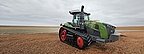
ST. MARYS, OH – June 16, 2026 – On the surface, the announcement from Trackman, an American manufacturer of heavy-duty rubber tracks, seems niche. The company is launching a new product, the HP Plus series, engineered specifically for Fendt's formidable 900 and 1100 Vario MT tractors. It’s a story of optimized tread pitch, proprietary reinforcement, and enhanced lug design. But to dismiss this as just another component upgrade is to miss the tectonic shift happening beneath the surface of modern agriculture. This isn't just about a better track; it's about the evolving definition of performance, where human well-being and long-term sustainability are becoming as critical as raw horsepower.
The "why behind the buy" in 2026 is increasingly complex. For the modern farmer managing multi-million-dollar operations, every decision is a calculated risk against variables like weather, market prices, and labor availability. In this high-stakes environment, the tools of the trade are under intense scrutiny. Trackman's latest offering provides a fascinating case study in how manufacturers are responding to the nuanced demands of a sector grappling with efficiency pressures, operator burnout, and the undeniable economics of soil preservation.
The Comfort Revolution in the Cab
For anyone who hasn't spent twelve consecutive hours in the cab of a high-horsepower tractor during planting season, the concept of "ride quality" might seem like a luxury. It is not. It is a fundamental pillar of productivity and safety. The announcement that the HP Plus track was developed to address operator demand for a smoother ride is the headline that truly matters.
"The HP Plus track was developed in direct response to what today's operators are asking for, improved ride quality without sacrificing durability or performance," stated Dan Fullenkamp, Trackman's Director of Business Strategy. This single statement encapsulates a crucial trend: the human factor is no longer a secondary consideration in heavy machinery design. With an aging agricultural workforce and increasing difficulty in finding skilled operators, retaining talent is paramount. A machine that punishes its operator with constant vibration and jolts is a liability.
The technical specifications—a 7.6-inch pitch for the Fendt 900 series and a 7.9-inch pitch for the 1100 series—are the engineering solutions to this human problem. A smaller pitch generally translates to more contact points with the undercarriage rollers, reducing the chordal action, or "polygon effect," that creates vibration. This focus on mitigating operator fatigue is a direct investment in operational uptime. A comfortable, less-fatigued operator is a more focused, efficient, and safer operator, capable of maximizing the sophisticated technology packed into a modern Fendt tractor. This is the new calculus of performance, where ergonomics directly translates to economics.
Engineering the Unseen Advantage
While operator comfort provides the immediate, tangible benefit, the engineering behind the HP Plus tracks reveals a deeper strategy focused on asset protection and long-term durability. The mention of a "1.5-inch thick carcass with four layers of proprietary MAXXTUFF™ reinforcement" is not just marketing jargon; it's a promise of resilience in an environment designed to destroy equipment.
Modern agriculture operates on razor-thin margins and unforgiving schedules. Downtime during a critical window like planting or harvest isn't an inconvenience; it's a potential financial catastrophe. The durability of components like tracks is a direct hedge against this risk. The HP Plus tracks are designed to reduce stress not just on the operator, but on the machine itself. The enhanced guide lug design aims to minimize wear on the tractor's drive and idler wheels, critical components of the multi-track system. By distributing the tractor's immense weight more effectively and absorbing ground impacts, a well-designed track system lessens the cumulative strain on the entire drivetrain, suspension, and frame.
This translates into a longer service life for a piece of equipment that represents a significant capital investment, often exceeding half a million dollars. Furthermore, superior traction and reduced slippage, hallmarks of advanced track design, can contribute to fuel savings. While modest on an hourly basis, these savings accumulate into significant figures over the thousands of hours a tractor operates in its lifetime. Trackman's move is a clear signal that the future of high-performance components lies in a holistic view of efficiency, encompassing not just power and traction, but also longevity and reduced total cost of ownership.
A Strategic Play in a Crowded Field
Trackman's launch is also a calculated move in the highly competitive, billion-dollar agricultural track market. The company is not operating in a vacuum. Key players like Camso, which positions itself as the "approved choice of Fendt," and Firestone already have a significant presence, offering robust solutions for these same high-horsepower tractors. The global market for agricultural rubber tracks is projected to surpass $810 million in 2026, with North America accounting for a substantial share.
By engineering tracks specifically for the Fendt 900 and 1100 Vario MT series, Trackman is targeting a premium, high-demand segment. This isn't a one-size-fits-all approach. It's a precision strike. The decision to continue offering the existing HP Extreme track—with its more aggressive 9-inch pitch for maximum traction in severe applications like scraping—alongside the new, smoother-riding HP Plus demonstrates a sophisticated market segmentation strategy. The company is effectively saying, "We have the optimal solution, whether your priority is raw pulling power or sustained operational comfort."
This positions the HP Plus as a premium aftermarket choice, challenging operators to look beyond the OEM-approved sticker and evaluate performance based on their specific needs. It’s a bold play that relies on the belief that today’s sophisticated farm managers will opt for the component that delivers the best return on investment, regardless of its origin. This launch is less about displacing incumbents overnight and more about establishing a new benchmark for performance and operator-centric design in the aftermarket space.
From the Ground Up: The Bigger Picture for 2026
Ultimately, the story of a new rubber track is rooted in the very soil it's designed to traverse. Perhaps the most significant, yet least discussed, benefit of advanced track technology is its impact on soil health. The massive weight of modern farm machinery is a leading cause of soil compaction, which crushes the porous structure of topsoil, impeding root growth, water infiltration, and nutrient availability.
Tracks, by their very nature, distribute weight over a much larger surface area than tires, drastically reducing ground pressure. This isn't just an environmental benefit; it's a direct investment in future yields. Healthier, less-compacted soil produces stronger crops. By enabling farmers to work the land with a lighter footprint, technologies like the HP Plus track become integral to sustainable and profitable agriculture. It's the physical manifestation of "conscious production."
As we look toward the 2026 consumer, who increasingly demands transparency and sustainability in their food supply, the innovations happening in the field take on new importance. A smoother ride for a tractor operator in Ohio, enabled by advanced material science and engineering, is part of a long chain that ends with a more resilient and efficient food system. Trackman's new product is a reminder that the most impactful innovations are often found at the intersection of human need, economic reality, and a deep understanding of the ground on which we all depend.