
- $83.74 billion: Potential value locked in unused electronic devices in US homes
- 61% of consumers: Offered a trade-in during their most recent smartphone purchase
- 71% of US consumers: Would replace their smartphone earlier with a compelling trade-in offer
Experts agree that US retailers are missing a significant revenue opportunity by not fully leveraging trade-in programs, which could drive sales, enhance customer loyalty, and contribute to environmental sustainability.
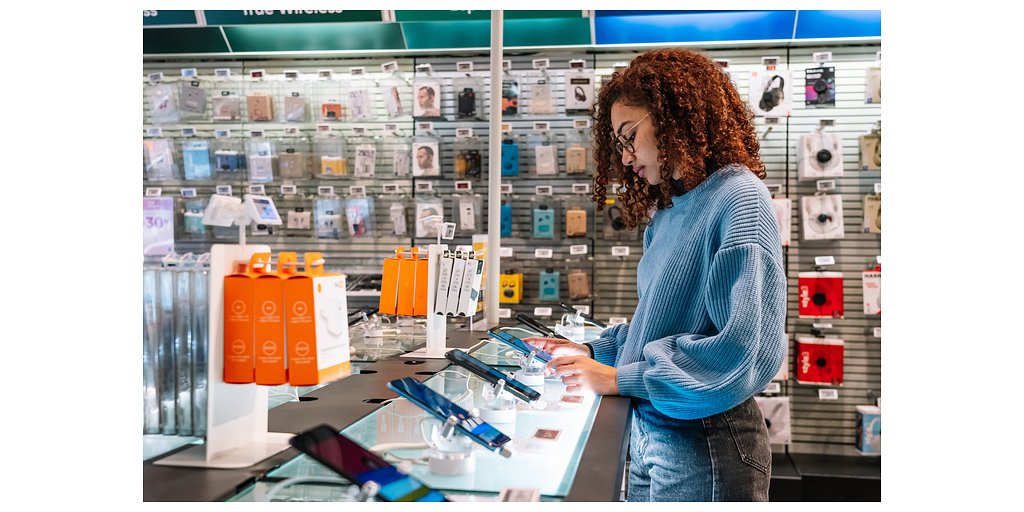
The $83 Billion Gap: A Missed Fortune for US Retailers
DUBLIN, Ireland – February 24, 2026 – In homes across the United States, a quiet fortune lies dormant in desk drawers, closets, and storage boxes. A staggering $83.74 billion in potential value is locked away in unused electronic devices, according to a landmark new report from circular technology firm Alchemy and analyst group CCS Insight. The findings reveal a massive disconnect between consumer desire for trade-in programs and the inconsistent, often unappealing options offered by brands and retailers, representing one of the largest untapped revenue streams in the consumer electronics sector today.
The research, which surveyed over 2,000 US consumers, highlights a critical failure at the point of sale. While the secondary market for electronics is booming, only 61% of consumers were even offered a trade-in during their most recent smartphone purchase. Of those, fewer than half (44%) completed the transaction, leaving billions on the table and millions of devices gathering dust instead of being recirculated into the economy.
A Powerful Engine for Growth and Loyalty
For years, many companies viewed trade-in programs primarily through the lens of corporate social responsibility—a “green” initiative to be touted in sustainability reports. The new data, however, reframes trade-in as a powerful commercial engine proven to drive sales, accelerate upgrade cycles, and cement customer loyalty.
The numbers paint a compelling picture for businesses. A remarkable 71% of US consumers state that a compelling trade-in offer would motivate them to replace their smartphone earlier, shortening the average upgrade cycle by a full six months. This acceleration directly combats the market slowdown caused by longer device lifespans.
Furthermore, trade-ins directly influence consumer spending habits. When offered a trade-in value over $270, 68% of shoppers said they would upgrade to a more premium, higher-margin smartphone model. The financial incentive also encourages larger purchases, with 62% reporting they would be more likely to add accessories or extended warranties to their cart. Perhaps most importantly in a saturated market, trade-in is a powerful loyalty tool. An overwhelming 84% of respondents confirmed they are more likely to stick with a brand or retailer that provides a competitive trade-in value.
“We've known for a while that consumers want trade-in options, but this research shows just how much money brands are leaving on the table by not offering them,” said Stephen Wise, Director of Global Marketing at Alchemy, in the report’s release. “It's a win for everyone – brands get loyal customers and greater customer lifetime value, consumers get access to better tech at more affordable prices, and devices stay in use longer instead of sitting in drawers or ending up in landfill.”
Industry leaders are taking notice. As one household appliance manufacturer explained in the report, “trade‑in is an acquisition tool for us, it’s how we bring new customers into our ecosystem.”
Bridging the Critical Trust Gap
Despite strong consumer interest, significant barriers prevent the trade-in economy from reaching its full potential. The research identified fair valuation (cited by 27%) and data security (25%) as the two primary obstacles holding consumers back. Another 22% were simply unaware that their older models still held any value.
The fear over data security is not unfounded. Consumers store a lifetime of sensitive information on their devices, from banking details and private messages to personal photos. While most users perform a factory reset before trading in a device, security experts warn this is often insufficient to permanently erase data. Using widely available forensic tools, residual data can be recovered, creating a significant privacy risk.
To earn consumer trust, retailers and their partners must implement and clearly communicate a more rigorous, transparent data sanitization process. Best practices go far beyond a simple reset and include signing out of all cloud accounts, removing SIM and memory cards, and using certified software that overwrites device storage multiple times to render data permanently irrecoverable. Partnering with certified IT asset disposition (ITAD) specialists who provide verifiable proof of data destruction is becoming the gold standard for building consumer confidence.
Ben Wood, Chief Analyst at CCS Insight, emphasized this point, stating, “For manufacturers and retailers, clear offers and transparent processes will be essential to convert intent into action and meet the huge consumer appetite identified in this study.”
The Environmental Imperative
The $83 billion worth of devices idling in US homes also represents a significant environmental liability. E-waste is the world's fastest-growing domestic waste stream, with the United States generating approximately 10 million tons annually while recycling only about 15% of it. The environmental cost is immense, as the manufacturing of a new device is its most carbon-intensive phase, accounting for 70-80% of its lifetime emissions.
Robust trade-in programs are a cornerstone of the circular economy, a model designed to eliminate waste by extending the life of products and materials. By encouraging the refurbishment and resale of used devices, these programs directly reduce the need for resource-intensive manufacturing, conserve precious materials like gold and copper, and prevent hazardous components from ending up in landfills.
By keeping devices in circulation, companies not only address the mounting e-waste crisis but also make technology more affordable and accessible, helping to bridge the digital divide. This dual benefit of commercial growth and environmental responsibility is transforming the strategic importance of the secondary market.
Beyond the Smartphone
While smartphones dominate the trade-in conversation, the opportunity extends across the entire spectrum of consumer electronics. The Alchemy report reveals that non-smartphone sectors are significantly behind the curve, representing a vast, untapped market.
Currently, trade-in participation for household appliances is remarkably low, with just 20% of consumers partaking in programs for kitchen appliances and a mere 14% for floorcare products. Yet, the consumer appetite is clearly present. A majority (52%) of consumers in these segments expressed an intention to trade-in their old appliances in the future.
This gap between intent and action signals the next major frontier for the circular economy. As brands in these sectors begin to build the infrastructure for accessible and rewarding trade-in programs, they stand to unlock new revenue streams and build the same powerful loyalty loops already proven in the mobile industry, demonstrating that the value sitting in America's drawers and garages is simply too large to ignore.