
- Market Projection: The temporary shelter market is projected to surpass $55 billion by 2030.
- Temperature Range: The Reva Cold Shelter operates in temperatures from below –10°F (–23°C) to over 100°F (38°C).
- Modular Connectivity: Up to five shelter units can be linked together on typical terrain.
Experts would likely conclude that the Reva Cold Shelter represents a significant advancement in humanitarian response, offering unparalleled adaptability, safety, and resilience for extreme environments, addressing critical gaps in current temporary housing solutions.
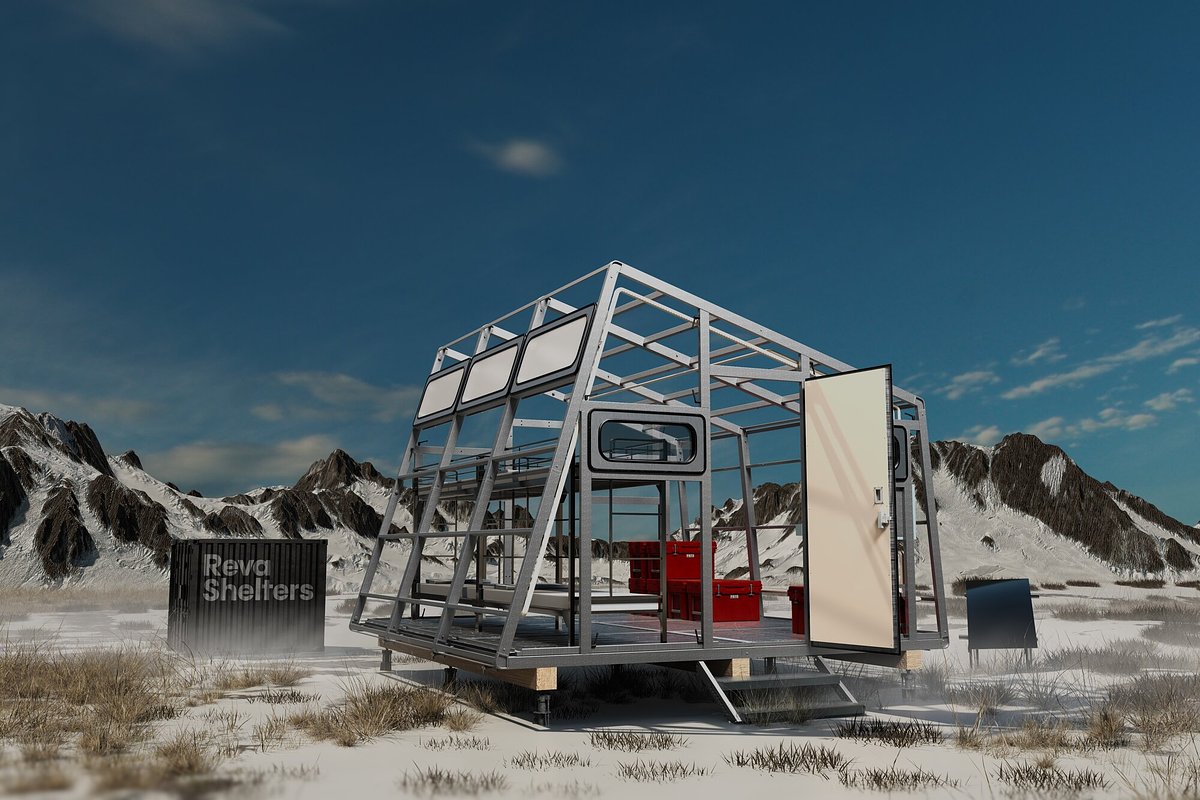
Reva’s New Shelter: A Customizable Haven for Extreme Environments
RED BANK, NJ – January 19, 2026 – As the frequency and intensity of global crises mount, from climate-driven disasters to protracted displacement, the demand for effective, resilient, and humane temporary housing has never been more critical. Addressing this challenge, REVA PROJECTS LLC, a New Jersey-based manufacturer of transitional structures, has introduced the Reva Cold Shelter, a highly adaptable system designed to provide protection in some of the planet’s most unforgiving environments.
The new shelter, designed by Max Borshchevskiy, is not merely a tent but a modular architectural system engineered specifically for arctic conditions while remaining flexible enough for a vast range of humanitarian and disaster relief scenarios. This launch enters a dynamic and rapidly growing temporary shelter market, projected to surpass $55 billion by 2030, driven by the urgent need for solutions that go beyond basic survival.
A New Standard in Adaptability and Safety
The core innovation of the Reva Cold Shelter lies in its profound customizability. Unlike one-size-fits-all solutions, REVA PROJECTS allows nearly every element to be configured to specific operational needs. This includes the structure’s size, interior layout, exterior covering, and even the type of foundation.
The system is built on modules that can be deployed individually or linked together, with up to five units connectable on typical terrain. This modularity allows for the creation of simple sleeping quarters or more complex living spaces complete with optional kitchenettes, showers, and toilets. This flexibility directly addresses a key logistical challenge in humanitarian response: deploying infrastructure that matches the specific needs of a crisis, whether it’s housing a family or establishing a field clinic.
Beyond comfort and configuration, the shelter introduces safety features rarely seen in the humanitarian sector. The exterior is wrapped in a marine-grade PVC vinyl, a material chosen for its proven durability and moisture resistance in extreme weather. Options extend to antibacterial covers and, notably, a ballistic shield from NH Co., Ltd., capable of protecting occupants from 10.16mm rounds. While ballistic protection is common in military applications, its integration into a humanitarian shelter points to the increasingly complex and insecure environments where aid organizations operate.
Perhaps its most unique safety feature is the front door, which is designed to be detached and used as a flotation device during a flood—a simple yet ingenious adaptation for disaster zones prone to sudden inundations.
Engineered for the World's Harshest Climates
The "Cold Shelter" name is not just marketing. The structure is engineered to function in temperatures ranging from below –10°F (–23°C) to over 100°F (38°C). This capability is critical, as humanitarian response in cold climates has long been identified as a significant gap. Research indicates that standard emergency shelters are often inadequate against snow loads, high winds, and sub-zero temperatures, compromising both occupant safety and health.
To maintain thermal efficiency, the Reva shelter is elevated off the ground. It can be secured with four different footing options designed for rock, sand, soil, or ice, ensuring stability against uplifting winds in high-altitude or exposed locations. An optional HVAC system can service the entire interior, and HEPA filtration modules are available to ensure air quality—a vital feature in areas affected by wildfires or industrial accidents.
Powering these amenities in remote locations is another solved challenge. The shelter’s electrical system is built to function with any international grid, from 120-volt to 280-volt systems, and all external components are IP65 rated against dust and heavy rain. Crucially, it supports off-grid power through solar panels, generators, or battery systems. This not only enhances its deployability but also aligns with a broader industry trend toward sustainability and reducing the logistical burden of transporting fuel to remote field operations.
Responding to a Growing Market and Human Need
The introduction of the Reva Cold Shelter comes at a pivotal moment. The global portable emergency shelter market is on a trajectory to reach nearly $9 billion by 2033, expanding at a compound annual growth rate of around 7%. This growth is fueled by a stark reality: the escalating number of natural disasters and displaced persons is outstripping the supply of adequate housing. Innovators like IKEA, with its "Better Shelter," have already demonstrated the value of moving beyond traditional tents to more durable, insulated structures.
REVA PROJECTS appears to be targeting the higher end of this market, where specialization and resilience are paramount. While advanced features suggest a higher initial cost compared to a standard tent, the long-term value proposition is compelling. Humanitarian investment analyses have shown that robust shelter solutions can yield returns of three to eight times the initial cost through improved health outcomes and economic stability for occupants. The durability of materials like marine-grade PVC and a design intended for long-term use can reduce the costly cycle of replacement.
This focus on dignity and well-being is reflected in the shelter’s finer details. Translucent side windows allow for natural light and passive solar heat while maintaining privacy. A dedicated power channel with standard outlets and USB ports allows occupants to power lights, heaters, and personal devices simultaneously. By providing a secure, comfortable, and connected living space, such innovations help restore a sense of normalcy and dignity that is often lost in the chaos of a crisis, which can be crucial for mental well-being during prolonged periods of displacement. As aid organizations and governments increasingly seek climate-resilient and humane solutions, advanced, adaptable systems like the Reva Cold Shelter represent a significant step forward in the evolution of humanitarian response.