
- $334 million: Annual cost to taxpayers for probation violations in Pennsylvania.
- 54%: Share of state prison admissions due to supervision violations.
- 78%: Portion of probation revocations in some counties due to technical violations alone.
Experts would likely conclude that Pennsylvania's probation system disproportionately incarcerates individuals for technical violations, highlighting systemic inefficiencies and the need for judicial discretion to prioritize rehabilitation over punishment.
Probation's Tightrope: Justice, 'Edvertising,' and the High Cost of a Slip-Up
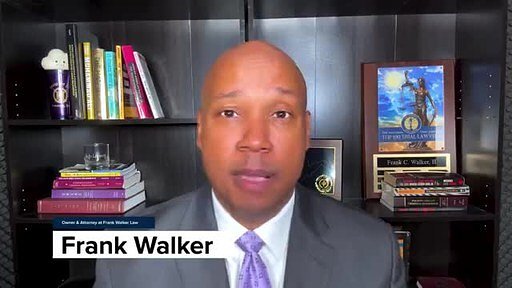
PITTSBURGH, PA – June 15, 2026 – For hundreds of thousands of Pennsylvanians, freedom comes with an asterisk. They are on probation, navigating a complex system of rules where a missed meeting or an unpaid fine can unravel a second chance and lead back to incarceration. A recent article from media platform HelloNation, featuring Pittsburgh-based defense attorney Frank Walker, highlights a critical reality: successfully completing probation is often less about intent and more about meticulous compliance. But as this legal advice increasingly moves online, delivered through innovative but commercially-driven models, it raises new questions about the intersection of justice, access to information, and the business of expertise.
The $334 Million Mistake
Probation is intended as a rehabilitative alternative to prison, but in Pennsylvania, it has become a powerful engine of incarceration. The state has the highest incarceration rate in the Northeast and supervises one in every 34 adults—a figure 36% higher than the national average. The core of the issue lies in how violations are handled. As attorney Frank Walker explains in the HelloNation piece, any failure to comply with court-ordered terms can trigger a hearing. These can be “technical violations,” such as missing a check-in or failing a drug test, or “substantive violations,” which involve a new criminal charge.
While the distinction seems clear, the consequences are often alarmingly similar. According to data from criminal justice advocates, a staggering 54% of all admissions to Pennsylvania’s state prisons are for supervision violations, costing taxpayers an estimated $334 million annually. A significant portion of this, over $100 million, is spent incarcerating individuals for technical violations alone—not new crimes. In some counties, technical issues account for nearly 78% of all probation revocations.
This creates a high-stakes environment where, as one legal reform advocate notes, “the system functions like a tripwire.” The process for determining a violation, known as a Gagnon hearing, operates on a lower burden of proof than a criminal trial. Prosecutors don't need to prove a violation “beyond a reasonable doubt,” only by a “preponderance of the evidence.” This subtle but critical legal distinction means it is more likely than not that the violation occurred, a far lower bar to clear. Furthermore, individuals held on a probation detainer are often denied bail, meaning they can spend weeks or months in jail awaiting a hearing, a situation that can destabilize employment, housing, and family life regardless of the ultimate outcome.
The Discretion Doctrine
Faced with a violation, what separates a warning from a prison sentence? According to Walker, the answer often lies in communication and context. “Judges consider the reason for the issue, the individual's prior compliance, and their response upon discovery of the violation,” he notes. This judicial discretion is a double-edged sword. It allows a judge to see beyond a simple mistake—a missed appointment due to a documented illness, for instance—and recognize a person’s commitment to rehabilitation. As Walker stresses, honesty and prompt action can make a critical difference.
This is where legal counsel becomes indispensable. An experienced attorney’s role is not just to argue the facts but to build a narrative. They present mitigating evidence and frame the violation within the broader context of a client’s life and their efforts to comply. Was the violation an intentional act of defiance or an unfortunate error by someone struggling with transportation, childcare, or employment? “Demonstrating responsibility and a willingness to improve can persuade the court to focus on rehabilitation rather than punishment,” Walker explains. This human element underscores that the most important work in a probation hearing often happens before stepping into the courtroom, through proactive communication with probation officers and a clear strategy for presenting one's case.
The Business of Answers
The fact that this guidance is being disseminated on a platform like HelloNation is itself a story. The company operates on an “edvertising” model, a blend of educational content and advertising that it says prioritizes “journalism first and marketing second.” Professionals like Frank Walker are featured as experts, providing valuable insights to the public. In return, they gain visibility and are positioned as authoritative figures, aligning with search engine algorithms that reward expertise and trustworthiness.
This model is a direct response to two powerful economic forces: the decline of traditional advertising and the collapse of local news operations. As local newspapers have shuttered, they have left a vacuum of trusted, community-focused information. Platforms like HelloNation aim to fill that void by partnering with local businesses and municipalities, creating content that answers residents' most pressing questions. For a person anxiously searching “what happens if I violate probation,” an article featuring a seasoned local attorney is an invaluable resource.
However, this burgeoning industry of sponsored expertise warrants a closer look. When a platform’s revenue is tied to the professionals it features, questions of objectivity inevitably arise. While HelloNation asserts its editorial team refines the content, the fundamental transaction is one where authority is, to some extent, purchased. The challenge for consumers of this information is to separate the genuine, actionable advice from the underlying marketing. The model provides unprecedented access to specialized knowledge, yet it also blurs the lines between an expert source and a paid spokesperson, transforming legal education into a form of sophisticated content marketing.
Ultimately, the journey through the probation system remains deeply personal and fraught with risk. While digital platforms democratize access to information, they cannot replace the tailored guidance of legal counsel in a high-stakes hearing. The rise of “edvertising” reflects a broader shift in how we seek and consume expertise, but for the individual standing before a judge, the difference between a second chance and a prison cell still depends on their ability to make their story heard, understood, and believed.