
- 28-minute sellout: David Protein's new high-protein frozen dessert sold out in just 28 minutes after launch.
- $725 million valuation: The company secured $75 million in Series A funding in May 2025, bringing its total valuation to $725 million.
- 30g protein per pint: The product delivers 30 grams of protein with only 210-260 calories and under 2 grams of sugar.
Experts would likely conclude that David Protein's rapid success is driven by a combination of strong brand loyalty, proprietary technology, and strategic market positioning, making it a formidable disruptor in the high-protein food category.
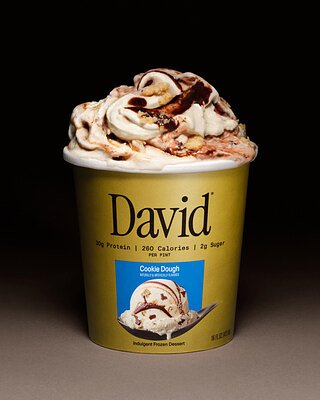
More Than a Scoop: How David Protein Engineered a Market Disruption
NEW YORK, NY – June 02, 2026 – On June 1, the digital floodgates opened for David Protein’s newest product, a high-protein frozen dessert. Just 28 minutes later, they slammed shut. Every pint was gone. This wasn't just a successful product launch; it was a market-wide flare, signaling a major shift in the multi-billion dollar indulgence category. For investors and industry watchers, the question isn't just what happened, but why. The answer lies in a meticulously crafted strategy combining brand equity, technological advantage, and a founder with a proven Midas touch.
Founded by Peter Rahal, the entrepreneur who sold his previous venture RXBAR to Kellogg's for a reported $600 million, David is built on a singular, potent premise: maximum protein per calorie. After cornering a segment of the protein bar market, the company's expansion into the freezer aisle was a calculated next step. The new frozen dessert line promises the texture and taste of classic ice cream but packs 30 grams of protein into a pint containing a mere 210 to 260 calories and under two grams of sugar. It’s a nutritional profile designed to be irresistible to the modern, health-conscious consumer.
"The goal was simple: make the best-tasting frozen dessert possible," said Peter Rahal, Founder of David, in the company's official announcement. "Then make it David: as much protein and as few calories as physically possible." The rapid sell-out suggests he's delivered on that promise, but the success is far from simple.
The Anatomy of a 28-Minute Sellout
A product disappearing in less time than a lunch break is the result of immense, pre-loaded demand. David cultivated this through several key levers. First is the powerful brand loyalty built from its protein bars. The company had already captured a dedicated following of fitness enthusiasts and wellness-focused consumers who trust its "protein-first" ethos. This built-in audience served as the ignition for the launch, ready to buy sight-unseen based on brand reputation alone.
Second is the formidable reputation of Rahal himself. His success with RXBAR provides a halo of credibility and entrepreneurial savvy that generates intense consumer and media interest. This isn't just another food startup; it's the next chapter from a proven market disruptor. Months of social media speculation, with leaked images of the product's impressive macros circulating on Instagram and Reddit, fanned the flames of anticipation into a wildfire.
Interestingly, the launch’s success was not derailed by recent headwinds. Earlier this year, the company faced a class-action lawsuit alleging misrepresentation of calorie counts on its protein bars—a suit that was ultimately dismissed. Rather than shying away, David’s marketing team engaged directly with the online discourse, a strategy that appears to have fortified its connection with its customer base rather than alienating it. This masterclass in modern brand management demonstrates an understanding that in today's market, authenticity and engagement can turn potential crises into community-building opportunities.
Engineering Indulgence
While marketing drove the initial frenzy, the product’s long-term success will hinge on its substance. Here, David is not just competing; it is attempting to rewrite the rules. A forensic look at the nutritional panel reveals a significant advantage over established "healthy" ice cream players like Halo Top and Enlightened. While those brands offer pints in a similar 280-360 calorie range, David’s product delivers a category-leading 30 grams of protein per pint, a figure that resonates powerfully with its target demographic.
The key to this nutritional alchemy is a proprietary ingredient called EPG (esterified propoxylated glycerol), a modified plant-based fat that delivers the mouthfeel and texture of traditional fat but with only 0.7 calories per gram, versus nine. This isn't a borrowed technology. In a move of strategic foresight, David acquired Epogee, the manufacturer of EPG, in May 2025. This vertical integration gives the company exclusive control over a critical differentiator, securing its supply chain and creating a formidable moat against competitors who might try to replicate its formula. One food science expert noted, "Controlling the core technology that enables your product's unique value proposition is a massive competitive advantage. They aren't just selling a recipe; they are selling a platform."
This technological edge allows David to offer flavors like Cookie Dough and Triple Peanut Butter that are described as "buttery," "dense," and "indulgent" while staying within an astonishingly low calorie and sugar budget. It’s this ability to deliver on the promise of guilt-free indulgence without compromise that positions the brand as a true disruptor.
A Protein Platform, Not a Product Line
The frozen dessert launch is a clear signal of David's broader ambition. Rahal has stated his vision for the company to be a "disruptive food technology platform," with one investor describing the goal as revolutionizing high-protein, low-calorie foods. This is not just about selling bars and ice cream; it's about fundamentally rethinking familiar food categories.
This expansive strategy is backed by serious capital. In May 2025, David secured $75 million in a Series A funding round led by Greenoaks and Valor Equity Partners, bringing its total funding to $85 million and its valuation to a reported $725 million. This capital is being deployed to scale manufacturing, expand inventory, and accelerate product development—crucial steps to avoid the supply chain pitfalls that can follow a viral launch. The company’s established partnership with logistics provider Atomix, which has already demonstrated its ability to scale fulfillment for the protein bar line, provides a robust foundation for managing the complexities of shipping a frozen product nationwide.
Further evidence of this platform strategy can be seen in the company's other, quieter product expansions, which include wild-caught frozen and tinned cod. While seemingly disparate, these products all adhere to the central mission of providing efficient, high-quality protein.
To bridge the gap between its digital-native launch and physical product experience, David is opening a limited-time summer ice cream shop at the S10 Gym in New York's West Village on June 5. This pop-up is a shrewd piece of experiential marketing, placing the product directly in the hands of its ideal consumer in a context—a high-end gym—that reinforces the brand's performance-oriented identity. It’s a move that will generate invaluable social media content and direct consumer feedback as the company prepares for its next inventory drop. The line for a scoop is likely to be long.