
- 40% of mobile gamers report a purchase within three months of seeing an in-game ad
- 70% of mobile gamers report making most of their household's purchasing decisions
- 71% of mobile gamers shop online at least weekly
Experts conclude that mobile gaming represents a highly valuable, untapped advertising channel for mainstream brands, offering access to an affluent, engaged, and purchase-ready audience.
Mobile Gaming Ads: The Untapped Goldmine for Mainstream Brands
PALO ALTO, CA – March 10, 2026 – A pivotal new study is sending a clear message to advertisers: the mobile phone in a consumer's hand is not just a communication device, but a powerful and widely untapped commerce channel, driven by the massive reach of mobile gaming. The report, "Mobile Gaming: The New Mainstream Consumer Channel," prepared by global research firm Kantar for AppLovin's Axon platform, reveals that mobile gaming has graduated from a niche hobby into a mainstream daily habit for a diverse, affluent, and highly receptive audience.
The findings challenge long-held stereotypes, positioning mobile gaming as a critical touchpoint for brands seeking to drive sales and build loyalty. According to the research, the mobile gamer is a high-value consumer who is not only actively engaged with content but is also welcoming of in-game advertising, a stark contrast to the ad fatigue often associated with social media feeds. With nearly 40% of mobile gamers reporting a purchase within three months of seeing an in-game ad, the data suggests that brands overlooking this channel are leaving significant revenue on the table.
Debunking the Gamer Stereotype
For years, the stereotypical image of a "gamer" has been a young male in a basement. The AppLovin-Kantar report decisively dismantles this outdated caricature, replacing it with a data-backed portrait of a mainstream consumer with significant purchasing power. The study reveals that a staggering 70% of mobile gamers report making most of their household's purchasing decisions and feel financially comfortable.
This audience isn't just comfortable; it's also affluent and diverse. More than half of households earning over $200,000 annually describe their sentiment toward mobile gaming ads as "very positive," indicating that premium brands have a direct line to high-income consumers. Further industry data corroborates this demographic shift, showing that mobile gaming audiences are increasingly composed of women and older adults. In the Asia-Pacific region, for example, women constitute over 40% of mobile players, while adults over 45 make up a similar share, shattering the myth of a youth-dominated market. This broad demographic reality means that brands from CPG to automotive and finance now have a viable and effective platform to reach their core customers.
The report underscores that these consumers are active shoppers. A remarkable 71% of mobile gamers shop online at least weekly, and 77% spend over $100 per month, demonstrating a clear propensity for digital commerce. For advertisers, this combination of decision-making authority, financial security, and active spending habits makes the mobile gamer an exceptionally valuable target.
A Highly Engaged and Receptive Audience
One of the most compelling findings is the high level of positive engagement mobile gamers have with advertising. While users on social media platforms increasingly report "ad fatigue" from scrolling through crowded feeds, 71% of mobile game players say they view ads favorably while playing. This positive sentiment is a game-changer for marketers accustomed to fighting for attention in oversaturated environments. The report suggests that the interactive and goal-oriented nature of gaming creates a more positive emotional state, making players more receptive to brand messages.
However, this receptivity is not unconditional. Broader industry analysis reveals a crucial nuance: the quality and format of the ad experience are paramount. Player sentiment soars for formats like rewarded video ads, which are opt-in and provide in-game currency or benefits in exchange for watching an ad. Studies from platforms like Unity show that nearly 80% of players are willing to engage with rewarded ads. This value exchange respects the player's time and enhances their gameplay, fostering goodwill.
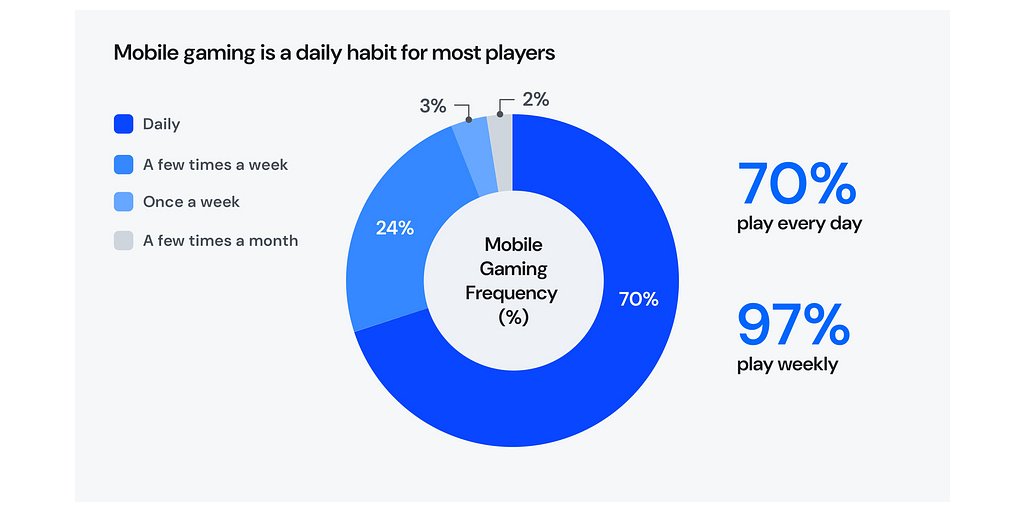
Conversely, players express significant frustration with intrusive ad formats. Full-screen interstitial ads that interrupt gameplay, deceptive ads with misleading close buttons, and advertisements that cause technical issues like freezing or crashing are frequently cited as reasons for abandoning a game entirely. This creates a clear mandate for advertisers and developers: to capitalize on the opportunity, they must prioritize a non-disruptive, value-driven user experience. The daily habit of mobile gaming, with 70% of users playing every day, offers an unparalleled high-frequency touchpoint, but its effectiveness hinges on respectful integration.
From Gameplay to Purchase: The Commerce Connection
The path from seeing an in-game ad to making a purchase is proving to be remarkably short and effective. The AppLovin-Kantar study quantifies this impact, showing that nearly four in ten mobile gamers purchased a product after seeing it advertised in a game. Even more impressively, these purchases lead to high customer satisfaction (92%) and strong intent to repurchase (82%), indicating that in-game ads are not just driving trial but are creating loyal customers.
This direct line to commerce is being successfully leveraged by a growing number of savvy brands across various sectors. For example, Sprite created a mobile cricket game that generated millions of sessions and reportedly boosted purchase intent. Food and beverage brands like Paddle Pop and Wendy's have used custom games and creative integrations into platforms like Fortnite to drive engagement and market share. Even non-traditional advertisers are finding success; Uber ran a hyperlocal in-game campaign to reach tech-savvy urbanites, while Spotify and LEGO have used in-game banners and immersive ads to achieve viewability rates well above industry benchmarks, at 93.8% and 94.76% respectively.
These real-world examples validate the report's findings, demonstrating that mobile gaming is no longer just an awareness play. It is a powerful performance marketing channel capable of driving tangible business outcomes, from ad recall to direct sales.
The High-Stakes Battle for In-Game Ad Dominance
The report's release comes as the competition in the mobile ad-tech space intensifies. AppLovin, with its AI-powered AXON platform, is a major contender in this high-stakes arena, vying for market share against industry giants like Google, Meta, and Unity Ads. The company has carved out a dominant position, particularly on iOS, where it commands an estimated 37% of the ad revenue share. Its success is built on a sophisticated software engine that analyzes vast amounts of data to optimize ad targeting and maximize return on ad spend for its clients.
This focus on AI-driven performance has fueled AppLovin's rapid growth, with advertising now constituting the vast majority of its revenue. However, the entire industry faces significant headwinds. Evolving privacy regulations, such as Apple's App Tracking Transparency (ATT) framework and Google's upcoming Privacy Sandbox, are fundamentally changing how user data can be collected and used. These shifts challenge the very foundation of personalized advertising and force platforms to innovate with new methods like contextual targeting.
As the industry adapts to this new privacy-centric landscape, the ability to deliver relevant ads within positive user environments becomes even more critical. The findings from the Kantar study provide a strategic roadmap, highlighting that the context of mobile gaming itself—an engaged, receptive, and high-value audience—is a powerful asset. The platforms that can successfully balance sophisticated monetization with a seamless player experience will be the ones to win the future of digital advertising.