
- 350+ locations: Kung Fu Tea's extensive empire across America.
- June 26 launch: Two Select by Kung Fu Tea locations opening in NYC (Chinatown & Flushing).
- Premium teas featured: Rare varieties like Long Jing and Da Hong Pao.
Experts would likely conclude that while Kung Fu Tea's pivot to traditional tea with 'Select' is strategically bold, its success hinges on delivering authentic craftsmanship in a competitive market.
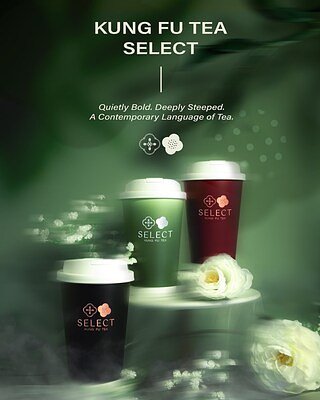
Kung Fu Tea's New Gambit: Selling Ancient Ritual to the Boba Generation
NEW YORK, NY – June 22, 2026 – This week, a familiar name in New York’s bustling beverage scene is betting on a quiet revolution. Kung Fu Tea, the undisputed titan of American bubble tea with a sprawling empire of over 350 locations, is launching a strikingly different concept: Select by Kung Fu Tea. With two locations opening simultaneously on June 26—one in the heart of Manhattan's Chinatown and another in the brand’s original Flushing stomping grounds—the company is making a deliberate pivot from the fast-paced world of boba to the contemplative practice of traditional tea.
This isn't just a new menu; it’s a new identity. Where Kung Fu Tea introduced millions to the sweet, chewy joys of tapioca pearls, Select aims to guide them deeper, into what it calls an "elevated sensory experience rooted deep in Asian tea traditions." The question hanging in the air, as fragrant as the promised Da Hong Pao oolong, is whether the boba generation is ready to slow down, and whether a mass-market giant can convincingly sell the soul of a ritual.
A Calculated Return to Roots
The launch of Select is far from a spontaneous whim. It represents a sophisticated strategic maneuver from a company that has mastered the art of brand expansion. In recent years, Kung Fu Tea has aggressively diversified its portfolio, pushing beyond its brick-and-mortar stores. It has ventured into the wellness market with functional beverage mixes, forged high-profile collaborations with pop culture icons from Care Bears to Red Bull, and built a robust digital loyalty program. This is a brand that understands how to stay relevant.
Select is the next, and perhaps most ambitious, phase of that evolution. Steve Luw, the company’s COO, framed the initiative as something they've "been building toward for a long time." In a statement, he explained the vision: "We wanted to take everything Kung Fu Tea stands for and push it further. More intention, more craft, more depth." By returning to Flushing, where the company began its American journey over 16 years ago, Kung Fu Tea is weaving a powerful narrative of homecoming—a return to its "authentic roots" after conquering the mainstream.
This move taps directly into a maturing consumer palate. The same customers who grew up on sweet milk teas are now older, with more disposable income and a growing appetite for artisanal products. By creating a premium spin-off, Kung Fu Tea can capture this evolving demographic without alienating its core boba-loving base. It’s a classic brand architecture play: segment the market and create distinct offerings that cater to different needs, aspirations, and price points, effectively allowing the company to compete with itself.
The Currency of Craft
At the heart of Select's proposition is the promise of authenticity and craft. The menu eschews the brightly colored powders and flavored syrups of its parent brand for a curated list of rare and historically significant teas. We see names like Long Jing, the famed pan-roasted green tea from Hangzhou, and Da Hong Pao, a legendary rock oolong from the Wuyi Mountains. These are not mere ingredients; they are cultural artifacts, each with a story steeped in centuries of tradition.
The press release speaks of drinks "calibrated for temperature, texture, and composition," designed to be "felt as much as it is tasted." This language signals a shift from a product to an experience. It’s a direct challenge to the grab-and-go culture that bubble tea helped perfect. The brand is betting that customers will pay a premium not just for a high-quality leaf, but for the performance of craft—the visible ritual of careful preparation. Even its specialty coffee program, which pairs Italian-style espresso with flavors like black sesame and osmanthus, is designed to feel both familiar and novel, bridging culinary traditions.
However, invoking "authenticity" is a delicate dance. In a market saturated with brands claiming artisanal heritage, the term can easily become a hollow buzzword. The success of Select will depend on its ability to deliver a genuinely educational and immersive experience. This requires more than just sourcing premium ingredients; it demands knowledgeable staff, a thoughtfully designed environment, and a commitment to storytelling that honors the cultural weight of the traditions it claims to represent.
The Battle for New York's Palate
Select enters one of the most discerning and competitive beverage markets in the world. New York City is home to a legion of dedicated tea houses and specialty coffee shops, many of which have spent years, if not decades, building loyal followings. In the realm of traditional tea, establishments like Té Company, with its focus on single-origin Taiwanese oolongs, and the serene Cha-An Teahouse have set a high bar for quality and curated experience. These are destinations, not just quick stops.
In Flushing and Chinatown, the competition is just as fierce. Local institutions like Grand Tea & Imports have served the community for generations, while modern coffee shops such as OFF-PEAK COFFEE have captured the attention of younger consumers with sleek designs and inventive drinks like black sesame lattes. Select is positioning itself to compete on both fronts, offering a unique hybrid of a premium tea house and a third-wave coffee bar.
This dual identity could be its greatest strength or its most significant challenge. Can it woo the serious tea aficionado away from their beloved, specialized purveyor? Can it convince the specialty coffee devotee that a tea brand can pull a perfect shot of espresso? The Kung Fu Tea name grants it immediate brand recognition and a formidable marketing platform, but it also comes with baggage. The brand must prove that its commitment to craft is more than a marketing veneer and that it can foster the kind of trust and community that defines the city’s most beloved local spots.
More Than a Drink: Tea as a Third Space
Ultimately, the ambition of Select by Kung Fu Tea seems to extend beyond the cup. By emphasizing ritual and sensory experience, the brand is tapping into a deeper cultural current: the search for moments of mindfulness and connection in our hyper-accelerated lives. The concept aims to create a "third space"—a welcoming environment outside of home and work where people can gather, reflect, and engage in a shared practice.
This is a powerful proposition. The modern coffee shop has long served this function, but the quiet, contemplative nature of a tea ritual offers a different kind of respite. It’s a space designed for slowing down, for appreciating nuance, and for engaging the senses in a deliberate way. In a world dominated by digital distraction and transactional efficiency, the analog, human-centric process of a tea ceremony feels like a small act of rebellion.
As Select opens its doors, it’s not just serving drinks; it’s testing a hypothesis about modern consumer desire. It is wagering that in an age of mass production, we are hungry for craft. That in an age of speed, we crave ritual. And that a brand born from the quick-serve model can evolve to meet that need, offering a moment of quiet intention to the very public it taught to drink on the run.