
- 86 million internal climate migrants projected in Africa by 2050 (World Bank)
- 20-year analysis (1995-2015) linking agricultural productivity to reduced migration
- 8.6 million new displacements in Sub-Saharan Africa in 2022 due to disasters (IDMC)
Experts agree that investing in agricultural productivity and climate adaptation significantly reduces migration pressures in Africa, offering an immediate tool for humanitarian relief and social resilience during climate and conflict crises.
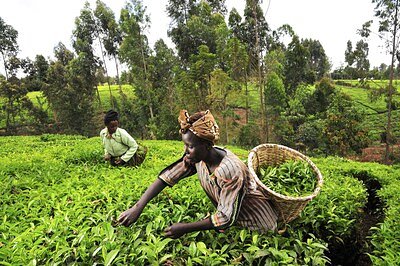
Harvesting Stability: How Farming Can Stem Africa's Climate Migration
DAEJEON, South Korea – January 22, 2026 – As Africa grapples with the converging crises of climate change and armed conflict, a new study offers a powerful, evidence-based path toward stability: investing in the land. Research from Chungnam National University reveals that strengthening a country's adaptive capacity, particularly through agricultural productivity, significantly reduces the pressure for communities to migrate when faced with drought and violence.
The findings, published in the journal Sustainable Development, provide critical data showing that climate adaptation is not just a long-term environmental goal but an immediate tool for humanitarian relief and social resilience. For a continent projected to have up to 86 million internal climate migrants by 2050 according to the World Bank, the research highlights a tangible strategy to help people remain safely in their homes.
The Science of Stability: A 20-Year Analysis
Led by Professor Hyun Kim, an Associate Professor in the School of Public Administration at Chungnam National University, the research team conducted a comprehensive analysis of data spanning two decades, from 1995 to 2015. By examining country and grid-level information across African nations, they were able to quantify the complex relationship between climate hazards, conflict, adaptation, and human movement.
The study drew upon a robust set of data, including migration records from the United Nations High Commissioner for Refugees (UNHCR), conflict data from the Uppsala Conflict Data Project, and drought information from the EM-DAT disaster database. To measure a country's ability to cope, the researchers used the Notre Dame Global Adaptation Index, which assesses factors like agricultural output, water access, health systems, and infrastructure.
The results were clear: while both drought and armed conflict independently increase migration, their impact is substantially weakened in nations with higher adaptive capacity. This moderating effect was most pronounced during acute crises, suggesting that investments in resilience pay the greatest dividends when they are needed most.
"Agricultural productivity plays a particularly important role," stated Professor Kim in the announcement. "Higher crop yields are consistently associated with lower migration, highlighting how food security and livelihoods help stabilize communities during climate and conflict-related shocks." This direct link between a successful harvest and a stable population forms the core of the study's groundbreaking conclusion.
From Fields to Families: Agriculture as a Social Buffer
The study’s emphasis on agriculture moves the conversation from abstract policy to tangible, on-the-ground solutions. When crops fail due to prolonged drought, or when conflict disrupts supply chains, the first casualty is often food security, which in turn fuels displacement. By reinforcing the agricultural sector, nations can build a powerful buffer against these shocks.
This principle is already being demonstrated in projects across the continent. In the Sahel and East Africa, development agencies are supporting farmers with climate-smart agricultural techniques, including the introduction of drought-resistant crop varieties and improved irrigation systems. These initiatives directly boost yields and food availability, even in the face of erratic weather patterns. Similarly, programs promoting sustainable land management and agroforestry help restore degraded soils and improve water retention, enhancing the long-term viability of farming livelihoods.
International non-governmental organizations are also playing a key role. In countries like Ethiopia and Kenya, farmers are receiving training in water harvesting techniques and gaining access to climate risk insurance, which provides a safety net during poor seasons. By empowering local communities, especially women farmers who form the backbone of rural agriculture, these efforts strengthen the entire social fabric. The success of these projects validates the study's findings, showing that a stable food supply and dependable income from farming are foundational to keeping families and communities intact.
A Continent at a Crossroads: The Scale of the Crisis
The urgency of implementing such adaptation strategies cannot be overstated. According to the Internal Displacement Monitoring Centre (IDMC), Sub-Saharan Africa consistently registers millions of new internal displacements each year due to both conflict and disasters. In 2022 alone, the region saw a staggering 8.6 million new displacements from disasters like floods and droughts, alongside 7.5 million from conflict and violence.
These figures represent a tide of human suffering and a significant challenge to regional stability and development. The World Bank's "Groundswell" report paints an even more alarming future, projecting that without decisive climate and development action, Sub-Saharan Africa could become a hotspot of internal climate migration. The study from Chungnam National University, therefore, arrives at a critical juncture, providing a data-driven argument that targeted investments can help avert this worst-case scenario. By focusing on adaptation, governments and international partners can address one of the root causes of displacement before it escalates into a full-blown humanitarian crisis.
Beyond Aid: A Call for Climate Justice and Global Policy
The implications of the research extend far beyond the African continent, feeding directly into global debates on climate finance, justice, and migration governance. The study underscores a fundamental inequity: the nations least responsible for causing climate change are bearing the brunt of its impacts. For years, African leaders have called for more robust international support to help them adapt.
"Climate adaptation is often framed as a long-term environmental strategy," Professor Kim noted. "Our findings show it also has immediate social benefits by reducing migration pressures stemming from both climate hazards and armed conflict." This dual benefit strengthens the case for increased global investment in adaptation as a strategy for peace and security.
However, a significant funding gap remains. The UN's Adaptation Gap Report consistently finds that financial flows for adaptation to developing countries are ten to eighteen times below estimated needs. The Chungnam National University study provides compelling evidence for why closing this gap is not just a moral imperative but a strategic one. By helping vulnerable nations build resilience, the international community can foster global stability, reduce humanitarian aid costs, and advance multiple UN Sustainable Development Goals, including those related to health, inequality, climate action, and peace.
Ultimately, the research transforms the narrative around climate adaptation from one of cost to one of investment—an investment in stable communities, resilient food systems, and a more secure future for all.