
- 4,000 Microlino units produced since 2022 at AMFI's Turin facility
- $4.5 billion projected market value for European micro EVs by 2030 (up from $2.3 billion in 2024)
- €128 million in EU funding secured by CEiiA for sustainable mobility projects
Experts view this alliance as a strategic consolidation of Europe's micro EV sector, combining consumer appeal with commercial viability to create a scalable, sustainable mobility ecosystem.
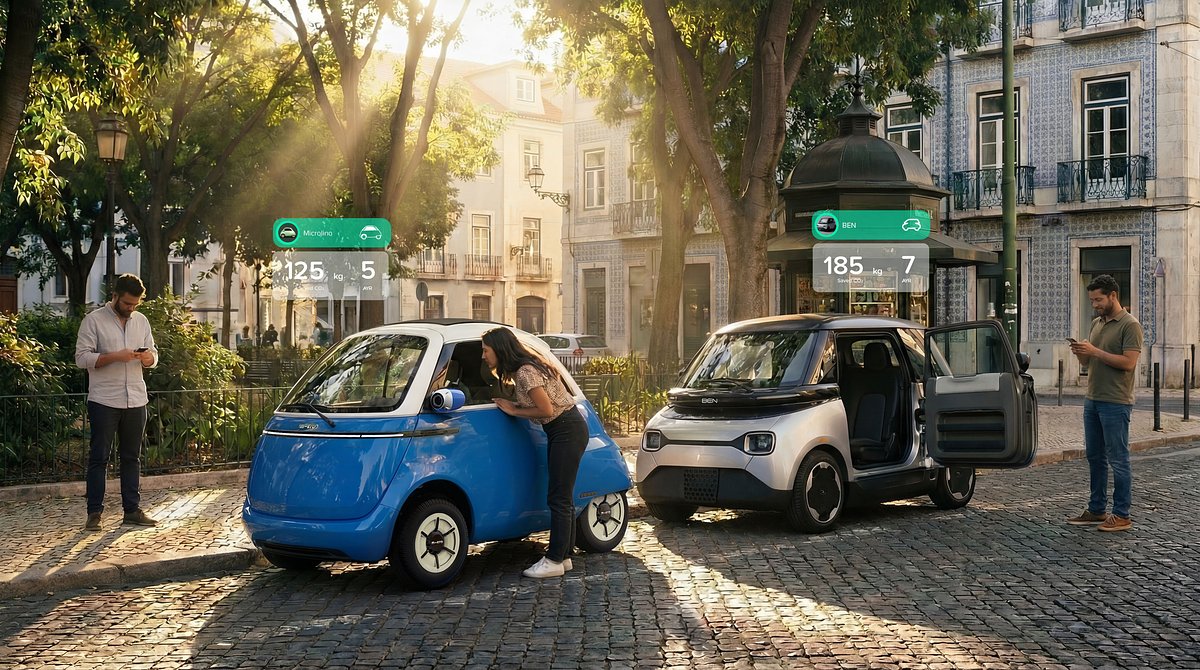
Turin's Electric Renaissance: Micro, AMFI & CEiiA Forge Microcar Alliance
ZURICH, Switzerland – March 24, 2026 – A landmark partnership is set to reshape Europe's urban mobility landscape and revitalize Italy's historic automotive heartland. Swiss mobility innovator Micro, Italian manufacturer AMFI, and Portuguese engineering center CEiiA have signed a Memorandum of Understanding to create a powerful strategic collaboration, aiming to build a comprehensive European platform for micro electric vehicles.
The alliance will unite two distinct but complementary vehicles under one industrial roof in Turin: the iconic, consumer-focused Microlino and the modular, business-oriented BEN. This move signals a major consolidation in the burgeoning microcar market, creating a vertically integrated ecosystem from design and technology to large-scale manufacturing and market development.
A New Chapter for Italy's Motor City
At the center of this ambitious plan is Turin, a city synonymous with automotive history, which is now being positioned as the industrial hub for this new wave of sustainable transport. The industrialization of CEiiA's BEN microcar will take place at the AMFI (Automotive Micro Factory Italy) facility, which already manufactures the Microlino.
AMFI, a next-generation contract manufacturer established in 2021 as a joint venture between Micro and Italian automotive specialist CECOMP, is uniquely equipped for this role. With a flexible production setup capable of scaling from 100 to 10,000 units annually, the factory has already demonstrated its prowess by producing over 4,000 Microlino units since 2022. This partnership is a significant vote of confidence in the region's talent and infrastructure.
"AMFI was born with the ambition to become a strategic industrial hub for the micro electric vehicle sector in Europe," stated Michelangelo Liguori, General Manager of AMFI. "By bringing BEN into our production facility alongside Microlino, we are building the critical mass needed to create a truly competitive and scalable European manufacturing ecosystem."
This collaboration is not just about manufacturing; it's about creating a synergistic environment. The MoU outlines plans for joint supply chain optimization, sharing powertrain and digital technologies, and cooperative engineering efforts, leveraging the combined expertise of all three partners to drive efficiency and innovation.
A Tale of Two Microcars: Bridging Consumer and Commercial Needs
The strategic brilliance of the partnership lies in its two-pronged approach to the market. It combines Micro's success in the consumer space with CEiiA's expertise in commercial applications, creating a holistic solution for modern cities.
On one side is the Microlino, a battery-electric bubble car that has captured public imagination with its retro design inspired by 1950s classics. With a top speed of 94 kph, a range of up to 230 km, and a compact frame that allows for perpendicular parking, it has become a best-selling L7e microcar in several European countries, proving there is strong consumer appetite for stylish, efficient urban vehicles.
On the other side is the BEN, a modular micro e-car developed by CEiiA specifically for the business-to-business (B2B) sector. Designed for shared services, fleet management, and last-mile deliveries, BEN is more than just a vehicle; it's a mobile platform integrated with advanced digital tools.
"Microlino has proven that micro electric vehicles can capture the hearts and minds of consumers across Europe," commented Oliver Ouboter, COO of Micro. "By joining forces with CEiiA and bringing BEN into the AMFI production ecosystem in Turin, we are creating a powerful European platform that spans both private and business mobility."
Capitalizing on a Burgeoning Market
This strategic alliance is timed to capitalize on explosive growth in the European micro EV sector. Industry analyses project the market will more than double in value, rocketing from approximately $2.3 billion in 2024 to over $4.5 billion by 2030, with a compound annual growth rate exceeding 12%.
This growth is fueled by a perfect storm of factors: accelerating urbanization, increasing traffic congestion, stringent EU-wide emission regulations, and a paradigm shift in consumer and business attitudes toward sustainable transport. Competitors like Citroën have demonstrated significant market traction with their Ami microcar, underscoring the viability and demand in this space. By combining a popular consumer vehicle with a dedicated commercial solution, the Micro-CEiiA-AMFI triumvirate is positioning itself to capture a significant share of this expanding market.
More Than Metal: A Digital and Sustainable Backbone
What sets this partnership apart is its deep integration of digital technology and a core commitment to measurable sustainability, largely driven by the expertise of CEiiA. The Portuguese engineering center brings more than just the BEN vehicle to the table; it contributes a sophisticated digital ecosystem.
Integrated into BEN is the SPIRIT digital platform, which provides powerful tools for smart mobility services, including CO₂ tracking and comprehensive fleet management for business customers. Even more transformative is CEiiA's award-winning AYR technology. A winner of the New European Bauhaus award and recognized by Google's Impact on Climate network, AYR measures, tracks, and even monetizes avoided CO₂ emissions. This system allows cities and users to quantify the positive environmental impact of choosing sustainable transport in real-time.
This technological layer aligns perfectly with the ambitious goals of the European Green Deal, which aims for a 90% reduction in transport emissions by 2050. The partners have explicitly stated their intent to pursue joint initiatives for European funding, and CEiiA's track record is strong, having already secured over €128 million in EU support for its 'Be.Neutral' project, which includes the BEN vehicle.
Helena Silva, CTO of CEiiA, emphasized the collaborative vision, stating that the partnership marks "a new phase in the development of the BEN project, reinforcing the creation of a collaborative industrial model in Europe... contributing to a more competitive, innovative, and sustainable European industry." By uniting their strengths, these three companies are not just building cars; they are architecting a new, data-driven model for how cities can become cleaner, smarter, and more livable.