
- 71% of Americans are actively trying to increase their protein consumption (2025 IFIC survey).
- 10 grams of plant-based protein per 5-ounce serving in new single-serving cups.
- 11 grams of protein per serving in the 24-ounce multi-serve tub.
Experts would likely conclude that Forager Project's expansion of high-protein dairy-free Greek yogurt represents a strategic response to growing consumer demand for cleaner, more nutritious plant-based alternatives, with a focus on taste and texture that sets it apart from competitors.
Forager Project's Protein Play Shakes Up the Dairy-Free Yogurt Aisle
SAN FRANCISCO – February 24, 2026 – Organic food company Forager Project is making a significant move in the booming plant-based market, announcing a major expansion of its dairy-free Greek Style Yogurt lineup. The expansion, featuring four new flavored single-serving cups and a large-format vanilla tub, comes less than a year after the launch of its original Unsweetened Plain Greek Style Yogurt, a product that defied expectations by rapidly becoming the family-owned company's single most popular item.
This strategic expansion aims to capitalize on a clear and growing consumer demand. According to the 2025 Food & Health Survey from the International Food Information Council (IFIC), an overwhelming 71% of Americans are actively trying to increase their protein consumption. Forager Project is positioning itself to meet this demand head-on, particularly for shoppers who have been underwhelmed by the taste, texture, and nutritional offerings of existing dairy-free yogurts.
Cracking the Plant-Based Protein Code
For years, the dairy-free yogurt aisle has been a space of compromise for many consumers. While the options have grown, complaints about chalky textures, artificial tastes, or insufficient protein have been common. A key differentiator for Forager Project is its deliberate avoidance of pea protein, a ubiquitous ingredient in the plant-based protein world that can sometimes impart a distinct, undesirable flavor.
Instead, the company’s culinary team has developed a unique and innovative protein base. By blending organic cashews, coconut milk, and rice protein, and strategically increasing the concentration of cashew and coconut solids, Forager Project achieves a thick, creamy consistency and a high-protein profile naturally. This method bypasses the need for common additives like gums, oils, or other fillers, resulting in a cleaner ingredient list and a richer mouthfeel that more closely mimics traditional dairy Greek yogurt.
"Protein continues to be one of the most important drivers in the yogurt category, and consumers are increasingly looking for convenient, on-the-go formats that fit into busy mornings and active lifestyles," said Stephen Williamson, co-founder and CEO at Forager Project, in a statement. "Expanding our Greek yogurt family allows us to meet that need without asking people to compromise on taste."
Responding to a Booming Market Demand
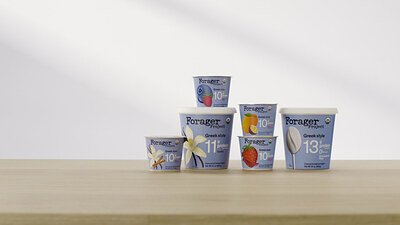
The new product launch is meticulously designed to capture various consumer needs. The new 5-ounce single-serving cups come in four sophisticated flavors: Strawberry Rhubarb, Mango Passion Fruit, Vanilla Cinnamon, and Summer Berry. Each cup delivers 10 grams of plant-based protein and billions of live probiotics, making them a direct competitor to high-protein dairy options and a significant upgrade within the plant-based space. They are USDA Organic, vegan, and free from dairy, gluten, and soy.
Alongside the single-serving cups, the company is introducing a 24-ounce multi-serve tub of Vanilla Greek Style Yogurt. This larger format uses the same base formulation as the wildly successful Unsweetened Plain version, offering 11 grams of protein per serving. It provides a versatile, lightly sweetened option for families or individuals looking to incorporate plant-based protein into smoothies, parfaits, and other home recipes.
The competitive landscape for dairy-free Greek yogurt includes brands like Kite Hill, which uses almond milk and soy protein, and offerings from giants like Chobani and Silk. Forager Project’s strategy appears to be one of targeted differentiation, focusing on a superior sensory experience and a transparent, clean-label approach that resonates with health-conscious shoppers at premium retailers like Whole Foods Market and Sprouts Farmers Market, where the new products are now available nationwide.
A Strategy of Clean Ingredients and Rapid Growth
The success of Forager Project's initial Greek yogurt launch serves as a powerful case study in identifying and filling a market gap. For a product to become a brand's top seller in less than a year indicates a profound resonance with consumers. This success provided a clear mandate for the current expansion, validating the company's significant investment in its unique protein formulation.
This growth trajectory has been bolstered by strategic partnerships. In 2019, Danone Manifesto Ventures, the venture capital arm of the global food giant Danone, took a minority stake in the company. The investment was aimed at helping Forager Project scale its operations, enhance sustainable sourcing, and expand its distribution—a strategy that is now bearing visible fruit in this major product line expansion.
"This expansion reinforces our focus on delivering great-tasting, high-value products that challenge expectations of dairy," Williamson stated. "As we look ahead, we'll continue to innovate around functionality, format and everyday use occasions, always grounded in clean ingredients, organic sourcing and products people genuinely want to eat on a regular basis."
From Soil to Shelf: A Mission-Driven Approach
Beyond its product innovation, Forager Project's brand identity is deeply rooted in its mission-driven philosophy. Founded in 2013 by Stephen Williamson and his stepson JC Hanley, the family-owned and operated creamery was built on the principle of helping people eat more plants. This ethos extends beyond the ingredient list and into the company's supply chain.
A key example is "The Cashew Project," a multi-year initiative to reshape its organic cashew supply chain in West Africa. Rather than simply purchasing cashews on the open market, Forager Project is investing directly in farming communities in Côte d’Ivoire. The program provides resources for organic certification, supports women farmers, and promotes sustainable agricultural practices. This deep commitment not only ensures a stable supply of high-quality, organic cashews—the cornerstone of its products—but also aligns the company's commercial success with positive social and environmental impact.
By combining a sophisticated product that solves a real consumer problem with a transparent and ethical business model, Forager Project is building more than just a portfolio of dairy-free alternatives. It is cultivating a brand that earns consumer trust from the soil to the shelf, positioning itself not just as a participant, but as a potential leader in the future of plant-based foods.