
- $2B Valuation: Halter secures $220M in Series E funding, reaching a $2B valuation.
- 1M Collars Sold: Over 1 million solar-powered collars deployed across 2,000 farming operations in three continents.
- 60,000 Miles of Virtual Fencing: U.S. ranchers have created 60,000 miles of virtual fencing since 2024.
Experts view Halter's success as a pivotal moment in agtech, demonstrating how AI and digital tools can transform traditional industries like ranching, despite regulatory and competitive challenges.
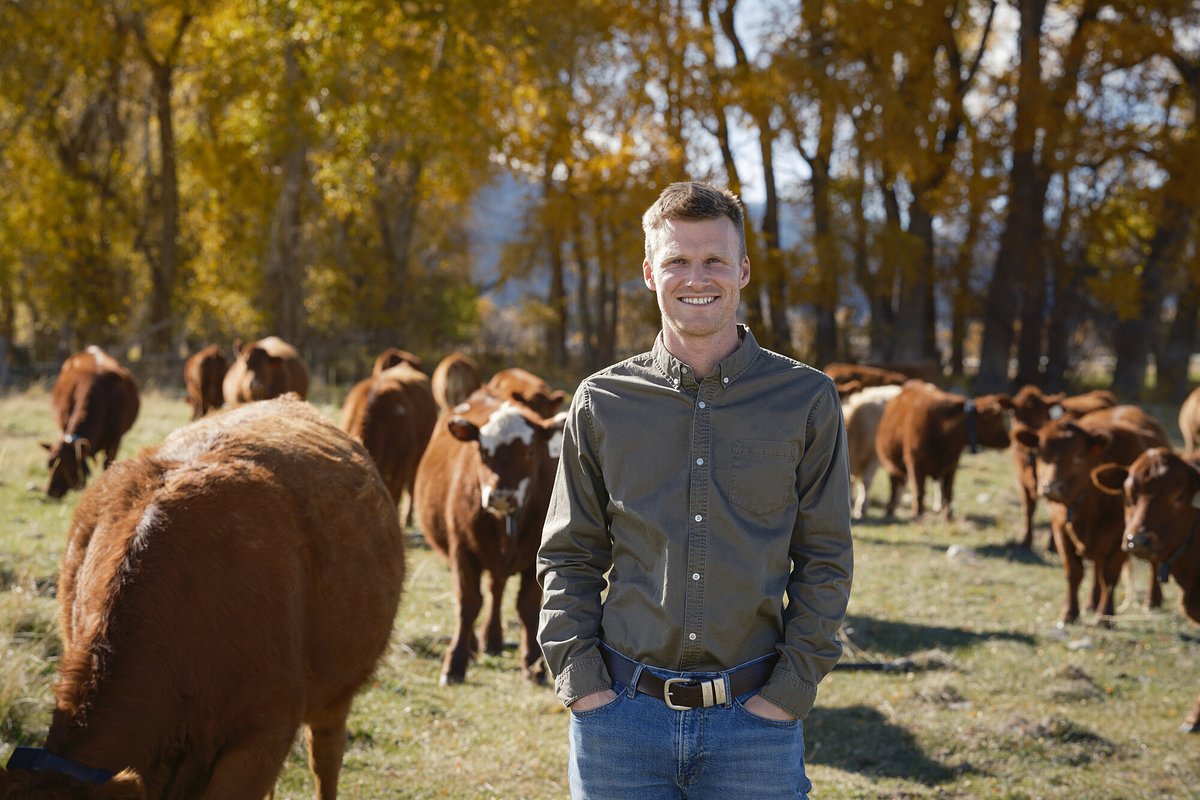
Halter's $2B Valuation Signals a New Era for Digital Ranching
BOULDER, CO – March 24, 2026 – In a move that sends a powerful signal across the global agricultural landscape, agtech innovator Halter has secured $220 million in Series E funding, catapulting its valuation to $2 billion. The round, led by prominent venture capital firm Founders Fund, marks one of the largest-ever investments in the agtech sector and will fuel the company's ambitious global expansion of its virtual fencing technology.
With one million of its solar-powered collars already sold to over 2,000 farming operations across three continents, the New Zealand-born company is at the forefront of a movement to digitize one of the world's oldest industries. The new capital injection is set to accelerate the adoption of a technology that replaces physical fences with GPS boundaries, AI-driven herd management, and a simple smartphone app.
The Digital Transformation of the Ranch
At the heart of Halter's system is a GPS-enabled collar worn by each cow. Rather than relying on miles of wire and posts, ranchers can draw virtual fences on a digital map. The collars then use a series of audio cues and gentle vibrations to guide cattle, containing them within desired pastures or moving them to new locations. This allows for precise herd management from anywhere, fundamentally changing the daily workflow on a modern farm.
“We started Halter because we believed technology could fundamentally change what it means to run a ranch, and enable ranchers to use innovation to build long-term futures on their land,” said Craig Piggott, CEO and founder of Halter. “Our ranchers need tools that work, and the fact that they’re using Halter tells us our technology has earned their trust. This raise lets us bring it to far more of them - and faster.”
The benefits extend far beyond convenience. Farmers using the technology report significant reductions in labor and material costs associated with building and maintaining physical fences. Since launching in the United States in 2024, American ranchers have already created an astonishing 60,000 miles of virtual fencing. This shift enables sophisticated pasture management techniques like rotational and regenerative grazing, which can improve soil health, increase biodiversity, and optimize forage use. Furthermore, the collars provide real-time data on animal location and behavior, offering early alerts for health issues and enhancing overall animal welfare monitoring.
A Multi-Billion Dollar Bet on Agtech's Future
The sheer scale of the investment underscores a growing confidence among venture capitalists in technology's power to solve critical agricultural challenges. The global agtech market, valued at over $24 billion in 2025, is projected to more than double by 2032 as the world grapples with feeding a growing population amidst climate change and labor shortages.
Founders Fund, known for backing transformative companies like SpaceX and OpenAI, has been a supporter of Halter since its Series A round in 2017. Their decision to lead this latest round signals a strong belief in the company's market position and potential.
“Agriculture is a multi-trillion-dollar industry that feeds the world, yet remains one of the least digitized sectors on earth,” noted Founders Fund Partner Amin Mirzadegan. “Halter is changing that by bringing software, sensors, and AI directly into livestock operations in a way that ranchers actually adopt. Craig’s deep understanding of the ranchers he serves has enabled the company to build something that’s not just useful, but mission-critical to how ranches run.”
This investment thesis—targeting fundamental, non-digitized industries with deep technology—is a hallmark of venture capital's increasing focus on applied AI. For investors, Halter represents a proven solution that has overcome the significant hurdle of user adoption in a traditionally tech-skeptical industry.
Navigating the Competitive and Regulatory Pasture
While Halter's funding is a standout achievement, it operates within an increasingly active and competitive market. Several other companies are pioneering similar virtual fencing solutions. Norway's Nofence, which developed the first commercial system, is expanding across Europe and North America. Meanwhile, Vence was acquired by animal health giant Merck, and Australia's national science agency, CSIRO, has commercialized its own eShepherd technology with partner Gallagher. This growing field indicates a broad industry shift toward precision livestock farming.
This technological wave is not without its challenges. A primary concern among animal welfare groups and regulators revolves around the use of electric stimuli to enforce boundaries, even if mild. While the collars prioritize audio warnings, critics point to potential stress during the animal's learning phase.
In response, the industry points to studies showing that cattle learn the cues quickly and that the mild pulse is often less stressful than traditional herding methods involving vehicles and dogs. The regulatory landscape is also adapting. Jurisdictions in Australia and New Zealand are developing specific codes of practice for virtual fencing, while in the U.S., programs like the USDA's Environmental Quality Incentives Program (EQIP) are offering financial support for farmers to adopt such technologies, acknowledging their environmental benefits.
From New Zealand to the World Stage
Armed with its new $220 million war chest, Halter is poised for a major international push. The company plans to significantly grow its commercial and field operations in its existing markets of the U.S., New Zealand, and Australia. The immediate expansion targets are Ireland and the United Kingdom, with explorations underway for further entries into North and South America later this year.
To support this growth, Halter is launching its largest-ever hiring effort, aiming to add more than 200 new employees to its Auckland headquarters, with a focus on product, engineering, and customer support roles. Investment will also continue in product development, including enhanced features for animal health monitoring and pasture management, directly shaped by feedback from the ranchers using the system every day. This infusion of capital and talent marks a pivotal moment for the company as it scales its vision of a more efficient, sustainable, and data-driven future for global agriculture.