
- $2.36 billion: Global shapewear market value in 2024, projected to reach $3.15 billion by 2030.
- 60% of women now prioritize comfort and wear experience over pure functionality.
- 46% of shapewear sales occur online, reflecting a digital-first market.
Experts agree that the shapewear industry is undergoing a transformative shift from restrictive, special-occasion garments to comfortable, everyday essentials, driven by technological innovation and evolving consumer values.
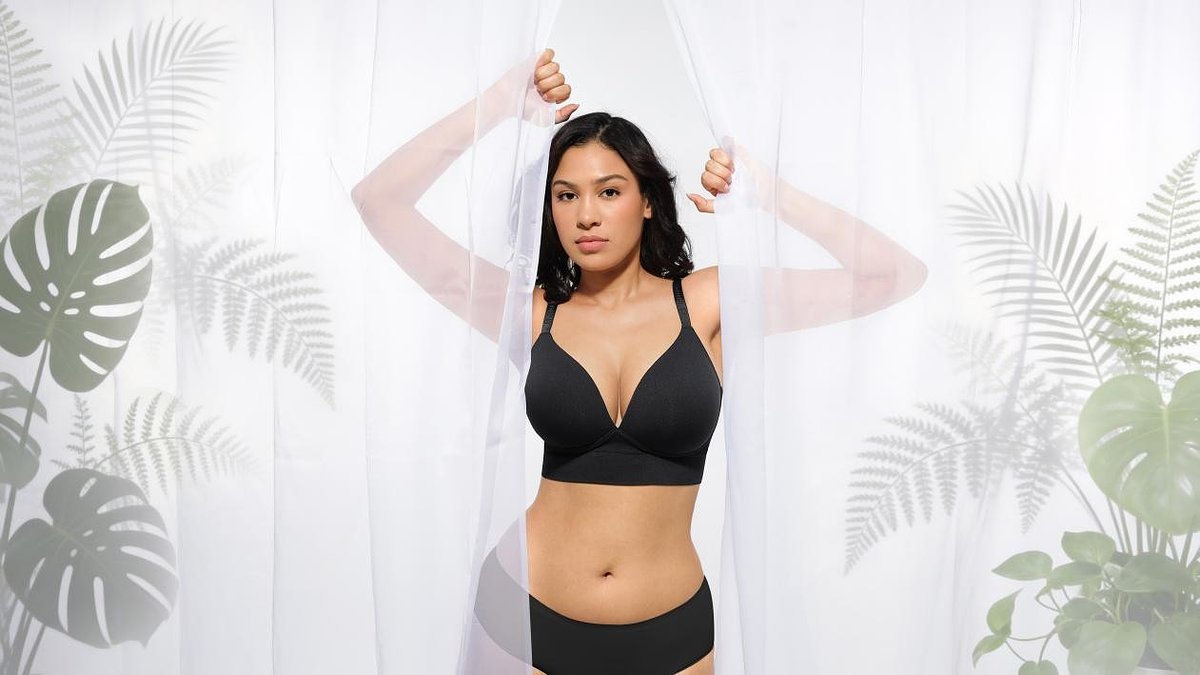
Beyond the Squeeze: How Comfort and Travel Remade the Shapewear Industry
ORLANDO, Fla. – June 16, 2026 – For decades, shapewear has occupied a specific, often uncomfortable, niche in the wardrobe. It was the restrictive, secret weapon deployed for weddings and formal events—a tool for squeezing and cinching, endured for the sake of a silhouette. But a fundamental shift is underway, moving foundation garments from the realm of special-occasion suffering to everyday support. The modern consumer is demanding more, and brands are listening.
Nowhere is this trend more visible than in the latest move by shapewear brand Shapellx. The company just launched a “Summer Travel Edit,” a curated collection of its products designed not for a few hours at a gala, but for the rigors of a 10-hour flight, a day of sightseeing, or navigating the crowds at a major sporting event like the FIFA World Cup. The launch is backed by internal consumer research indicating that over 60% of women now prioritize the overall “wear experience”—comfort, fit, and the confidence it inspires—over pure functionality. This single data point is a microcosm of a massive transition happening across the entire intimates industry, signaling the end of an era defined by compression at all costs.
A Fundamental Shift in Foundation Wear
The evolution from restrictive garment to comfort-driven essential is not an overnight phenomenon. It’s the result of a powerful convergence of material science, cultural change, and shifting consumer priorities. For years, the primary complaint against shapewear was its construction. Thick, unforgiving fabrics and aggressive boning made all-day wear an impossibility. Today, the system has been re-engineered from the fiber up.
Innovations in fabric technology are at the heart of this change. Advanced spandex blends, breathable microfibers, and seamless knitting techniques have enabled the creation of garments that feel more like a “second skin” than a cage. These new materials provide targeted support and smoothing without the suffocating squeeze of their predecessors. Features that were once luxuries, like moisture-wicking properties and laser-cut edges that prevent visible lines, are becoming the industry standard. This technological leap has made the promise of a comfortable, all-day shaping garment a reality.
This technical evolution is happening in lockstep with a profound cultural shift. The body positivity movement has reframed the conversation around body image, encouraging an ethos of enhancement rather than correction. Consumers, particularly millennials and Gen Z, are less interested in conforming to an unrealistic ideal and more focused on products that make them feel good in their own skin. “Shapewear should enhance your figure, and if it fits well, it should really feel like your own skin,” noted one industry expert. In this new context, shapewear is marketed not as a tool to hide imperfections, but as a foundation for confidence. It’s a subtle but critical pivot from a narrative of conformity to one of empowerment.
This shift is creating significant economic waves. The global shapewear market, valued at approximately $2.36 billion in 2024, is projected to swell to over $3.15 billion by 2030. The engine of that growth isn’t the once-a-year formal event; it’s the everyday wear segment, now leading the market.
The New Travel Essential: Shapewear for the Journey
As millions of people resume and expand their travel plans, the demand for versatile, comfortable, and practical apparel has skyrocketed. The modern traveler’s wardrobe is built around the concept of a “capsule”—a curated set of multi-functional pieces that can handle diverse climates and activities. This philosophy is now extending to undergarments. The same logic that applies to a wrinkle-free blazer or a day-to-night dress now applies to bras and bodysuits.
Long-haul flights, extended road trips, and active vacation days present a unique set of challenges that traditional shapewear is ill-equipped to handle. Prolonged sitting demands fabrics that breathe and waistbands that don’t dig or roll. Days spent walking through cities or stadiums require support that is flexible, not rigid. This is the specific need Shapellx is targeting with its travel edit. Their featured styles—like the High Waisted Tummy-Control Shaping Shorts, a wireless back-smoothing bra, and a soft, open-bust bodysuit—are all designed around the principles of extended, comfortable wear.
The wireless bra, for example, is engineered to reduce pressure points during a long flight without sacrificing support. The open-bust bodysuit allows for layering and personalization, enabling a traveler to pack less while creating more outfits. These aren’t revolutionary new inventions, but rather the intelligent application of existing technology to solve a modern problem. They represent a systems-based approach to dressing where every layer is designed to work together for maximum comfort and utility.
The Business of Comfort: A Crowded and Evolving Market
Shapellx is not operating in a vacuum. The pivot to comfort is an industry-wide phenomenon, with major players like Spanx, Kim Kardashian’s Skims, and Honeylove all heavily invested in the everyday comfort category. Skims, in particular, has been a disruptive force, leveraging a massive social media presence and an inclusive marketing approach to popularize shapewear as a daily staple for a younger, more diverse audience. Legacy brands like Spanx and Maidenform have also adapted, launching lines that prioritize a lighter touch and softer fabrics.
This competitive landscape validates the market trend. The success of these brands demonstrates a powerful and sustained consumer demand for a new type of foundation garment. The primary sales battleground has moved online, with e-commerce now accounting for over 46% of all shapewear sales. This digital-first environment allows brands to speak directly to consumers, offering detailed fit guides, showcasing a wider range of sizes and skin tones, and building communities around shared values of confidence and inclusivity.
Within this crowded field, Shapellx’s strategy appears to be one of targeted focus. By explicitly linking its products to the needs of the modern traveler, the company is carving out a specific, relatable niche. It’s a savvy move that transforms a general product benefit—comfort—into a solution for a specific, high-value problem.
The Future is Flexible and Inclusive
The re-engineering of shapewear is far from over. The same principles of comfort and functionality driving the mainstream market are now pushing the industry into new, innovative territories. Adaptive shapewear, designed with modified closures and features for individuals with mobility impairments or post-surgical needs, is a rapidly growing segment, further cementing the industry’s move toward wellness and inclusivity. The men's shapewear market is also expanding, driven by a similar desire for physique enhancement and support during physical activity.
Furthermore, sustainability is becoming an increasingly important factor in purchasing decisions. Consumers are beginning to demand transparency in the supply chain and a commitment to ethical production, a value brands are starting to address. Shapellx itself is scheduled to lead a panel discussion on aligning sustainability with consumer values at an upcoming industry event. This signals that the next evolution for shapewear will involve not just how the garments make us feel, but how they are made. The humble foundation garment, once a symbol of restriction, is now a fascinating case study in how industries adapt to technological innovation and profound shifts in societal values.