
- 17.6% of Delaware drivers are uninsured, leaving others vulnerable to financial loss in accidents. - Delaware's minimum liability coverage ($25k/person, $50k/accident, $10k property damage) is inadequate for modern vehicle values averaging $48,000. - 1 in 7 drivers nationally lacks insurance, increasing risks for all motorists.
Experts agree that underinsuring vehicles exposes drivers to severe financial risks, emphasizing the need for higher liability limits and comprehensive coverage to protect against unpredictable accidents and uninsured motorists.
Beyond the Premium: The Real Cost of Underinsuring Your Drive
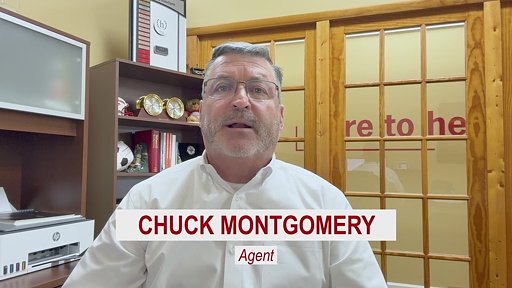
MIDDLETOWN, DE – June 18, 2026 – For millions of American drivers, auto insurance is little more than a recurring bill and a legal box to be checked. The annual ritual often involves a frantic search for the lowest possible premium, a decision driven by price above all else. But a recent article featuring Middletown insurance expert Chuck Montgomery, published on the media platform HelloNation, serves as a critical reminder that the cheapest policy is rarely the best. It highlights a dangerous disconnect in consumer logic: we protect our most valuable assets with the least possible understanding, often leaving ourselves financially exposed when we can least afford it. The conversation it sparks, however, extends beyond deductibles and liability limits, opening a window into the evolving landscape of digital media, where the lines between expert advice and sophisticated marketing are increasingly blurred.
The Anatomy of a Policy: Beyond the Legal Minimum
The core of Montgomery’s message, as detailed in the HelloNation feature, is a call for financial literacy. He urges drivers to look past the monthly premium and dissect the foundational components of their policies: liability, collision, and comprehensive coverage. Liability coverage, which pays for damages you cause to others, is the bedrock of any policy and is mandated by law. Yet, relying on state minimums is a high-stakes gamble. In Delaware, for instance, drivers are required to carry just $25,000 per person for bodily injury, $50,000 per accident, and a mere $10,000 for property damage.
Considering the state saw its highest number of fatal crashes in 20 years in 2022 and that a new vehicle today averages over $48,000, these minimums are starkly inadequate. A single multi-car accident could easily exceed these limits, leaving the at-fault driver personally responsible for hundreds of thousands of dollars in medical bills and property damages. As Montgomery emphasizes, increasing liability limits is one of the most cost-effective ways to prevent a single mistake from spiraling into a lifetime of debt.
Collision and comprehensive coverages shift the focus to protecting your own vehicle. Collision pays for repairs after an accident with another car or object, while comprehensive handles non-collision events like theft, vandalism, fire, or storm damage. While tempting to drop on an older car, these coverages are essential safeguards against unexpected, budget-breaking repair bills. The advice to maintain a lower deductible for comprehensive coverage is particularly astute, as events like hail damage or a fallen tree limb happen without warning and are entirely outside the driver's control.
The Unseen Risks: Underinsured Drivers and Non-Collision Threats
Perhaps the most overlooked and critical components of a robust policy are those that protect you from the actions of others. Uninsured and Underinsured Motorist (UM/UIM) coverage is designed for a scenario that is alarmingly common. According to recent data from the Insurance Information Institute, a staggering 17.6% of drivers in Delaware are on the road without any insurance. Nationally, the figure hovers around one in seven drivers. If one of them hits you, their lack of coverage becomes your financial crisis. UM/UIM steps in to cover your medical expenses and vehicle repairs, ensuring one person's irresponsibility doesn't bankrupt another.
Similarly, Personal Injury Protection (PIP) provides immediate coverage for medical costs and lost wages for you and your passengers, regardless of who is at fault. In a state like Delaware, where PIP is mandatory but minimums are low, opting for higher limits can provide a crucial buffer, covering costs that health insurance may not, such as rehabilitation and wage replacement, without a lengthy fault-finding process. The true value of an auto policy isn't just in its ability to satisfy legal statutes, but in its capacity to function as a comprehensive financial shield against a world of unpredictable risks.
The 'Edvertising' Dilemma: Where Expertise Meets Promotion
The platform that brought Montgomery’s advice to the forefront, HelloNation, is itself an interesting case study in the modern media economy. The company operates on what it calls an "edvertising" model, a portmanteau for its blend of educational content and advertising. By featuring local professionals in journalistic-style articles, it provides a platform for experts to build credibility and connect with their communities, moving beyond traditional ads to offer tangible value. This approach positions the featured professional as a trusted guide rather than a mere salesperson.
This model sits at the intersection of innovation and market dynamics, representing a shift in how businesses are cultivating authority in the digital age. However, it also wades into the complex territory of native advertising. The Federal Trade Commission (FTC) has been clear that any paid content must be transparently disclosed to avoid deceiving consumers. While HelloNation’s stated mission is to build trust through expertise, the broader trend raises important questions for the industry. As content and commerce become ever more intertwined, the onus falls on both the platform and the consumer to maintain a clear-eyed view of where the editorial voice ends and the promotional one begins. It’s an industry in its early innings, and its long-term impact on consumer trust is still being written.
The Proactive Consumer: From Passive Payer to Informed Buyer
Ultimately, navigating both the complexities of insurance and the evolving media landscape requires a new level of consumer engagement. The era of passively accepting a renewal notice is over. Montgomery’s advice to conduct an annual policy review is not just a sales tactic; it is essential financial hygiene. Life changes—a new car, a longer commute, a paid-off auto loan, a significant pay raise—all warrant a fresh look at your coverage levels. An older car may no longer need collision coverage, while a higher income should prompt an increase in liability limits to protect those assets.
Debunking common myths is another crucial step. There is no such thing as a standard "full coverage" policy; it is a bundle of individual coverages, each with its own limits. Your car's color has no bearing on your premium, but your driving record and the vehicle's safety features certainly do. Optional add-ons like rental reimbursement and gap coverage, which covers the difference between a totaled car's value and the remaining loan balance, may seem like small expenses but can provide immense financial relief and convenience during a stressful time. By moving from a mindset of cost-minimization to one of value-optimization, drivers can transform insurance from a begrudged expense into a cornerstone of their financial security. Ultimately, the journey from a passive premium-payer to an informed architect of one's own financial protection is the most critical trip any driver can make.