
- Bundling discounts range from 5% to 25%, but may come with compromised coverage.
- Hurricane deductibles in Florida can be up to 5% of insured property value, leading to significant out-of-pocket costs.
- Standard renters insurance policies exclude flood damage, requiring separate coverage in high-risk areas like St. Petersburg.
Experts agree that while bundling insurance policies offers convenience and short-term savings, consumers must carefully scrutinize coverage details, especially in high-risk areas, to avoid catastrophic financial exposure during claims.
The Bundling Illusion: Decoding Insurance 'Savings' in a High-Risk World
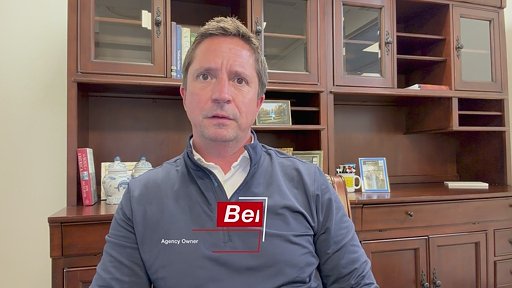
ST. PETERSBURG, FL – June 16, 2026 – The pitch is simple, ubiquitous, and undeniably attractive: bundle your insurance policies and save. It’s a cornerstone of the modern insurance marketing machine, promising consumers not just lower premiums but the blissful convenience of a single bill and one point of contact. A recent press release from a media platform called HelloNation, highlighting advice from local insurance agent Ben Feller for St. Petersburg renters, brings this familiar narrative to the forefront. The advice, in itself, is sound—urging consumers to look past the discount and scrutinize the details.
But in the 2026 economic landscape, this seemingly straightforward financial decision is anything but. It serves as a microcosm for a much larger and more complex interplay between marketing, risk management, and the shifting realities of our physical and financial worlds. The story behind the numbers isn't about the 10% you might save; it's about the catastrophic costs you might incur by chasing it. For anyone trying to build financial resilience, understanding the bundling illusion is no longer optional—it's critical.
The Anatomy of the Bundle: Convenience vs. Coverage
The fundamental appeal of bundling is rooted in efficiency. Major carriers like State Farm, Geico, and Progressive have perfected the art of the multi-policy discount, offering savings that can range from 5% to as high as 25% for combining auto and renters insurance. The administrative ease is a powerful secondary benefit. In a world of subscription fatigue and mental overload, consolidating financial products with one provider feels like a smart, simplifying move.
However, this convenience often acts as a Trojan horse for compromised coverage. The discount becomes the focal point, distracting from the fine print where the real value—or lack thereof—resides. As the HelloNation article correctly points out, consumers must diligently compare liability limits, deductibles, and specific coverage provisions. An anonymous financial planner I spoke with put it bluntly: "The cheapest policy is almost never the best policy. I see clients all the time who saved a hundred dollars a year on a bundle, only to find they're on the hook for tens of thousands after a claim because their liability limits were gutted or their deductible was quietly doubled."
This is where the numbers on the marketing brochure diverge from the numbers in a claims adjuster's report. Key areas of concern include replacement cost versus actual cash value for personal belongings—a difference that can mean getting a check for a new laptop or one for a five-year-old depreciated machine. Furthermore, bundled policies can have specific, lower limits for high-value items like electronics or jewelry, requiring additional riders that can quickly erode the initial savings. The convenience of a single payment is a poor substitute for the security of adequate protection.
The St. Petersburg Stress Test: When Local Risk Rewrites the Rules
Nowhere is the danger of a one-size-fits-all bundle more apparent than in a high-risk environment like St. Petersburg, Florida. Here, the standard insurance playbook doesn't just bend; it breaks. The state's volatile weather and coastal geography introduce variables that turn a simple bundled policy into a potential financial landmine.
First and foremost is the issue of hurricane deductibles. Unlike a standard deductible, which is a fixed dollar amount, Florida law mandates hurricane deductibles that are typically a percentage of the insured property value—for renters, that means a percentage of their total personal property coverage. A renter with $50,000 in coverage and a 5% hurricane deductible is facing a $2,500 out-of-pocket expense before their insurance pays a dime for storm damage. This is a crucial detail often lost in the glossy appeal of a bundled discount.
Even more critical is what isn't covered at all. Standard renters insurance policies—bundled or not—explicitly exclude damage from flooding. In a low-lying coastal city like St. Petersburg, where storm surge and heavy rainfall are persistent threats, this is a coverage gap large enough to drive a truck through. A renter who diligently bundles their auto and renters policy could watch their possessions get destroyed by floodwaters and discover their 'comprehensive' insurance package is worthless. True protection requires a separate policy from the National Flood Insurance Program (NFIP) or a private flood insurer, an added cost and complexity that the simple 'bundle and save' mantra conveniently ignores.
This localized reality is a direct reflection of the broader industrial transformation within the insurance sector. As climate-related catastrophic losses mount, insurers are aggressively repricing risk. Some have pulled out of the Florida market entirely, shrinking the pool of options and driving up costs for everyone. The remaining players are tightening their policy language and offloading as much risk as possible onto the consumer through high deductibles and stark exclusions. In this environment, a bundled discount isn't a gift; it's a calculated trade-off by the insurer.
The 'Edvertising' Dilemma: Who's Really Giving the Advice?
Adding another layer of complexity is the medium through which this advice is delivered. The press release originates from HelloNation, which describes itself as 'America's Good News Network' and champions an 'edvertising' model. This approach blends educational content with advertising, aiming to build trust by showcasing the expertise of community leaders like Ben Feller.
This model sits at the heart of the modern content economy, where the lines between journalism, expert advice, and marketing are increasingly blurred. While HelloNation claims its model serves readers first by producing 'journalism-style content,' the inherent structure is designed to promote the featured expert. The advice to 'review coverage' and 'check deductibles' is objectively good, but it's delivered within a framework that ultimately funnels the consumer toward a specific agent or brand.
This isn't necessarily nefarious—it's the new reality of how information is disseminated. But it places a greater burden on the consumer to be critically aware. One must question whether the advice presented is a comprehensive market analysis or a curated set of talking points that align with the provider's product suite. For instance, a captive agent affiliated with one company is unlikely to advise that a competitor offers a superior standalone policy. The 'edvertising' model demands that we evaluate not just the content of the advice, but also its context and the incentives of its source.
Beyond the Bundle: A Strategist's Guide to Financial Resilience
For the discerning consumer, the path forward requires a shift in mindset from seeking convenience to building resilience. The decision-making process should be 'de-bundled' long before the policies are. The first step is a personal risk audit. What are your assets worth? What is your liability exposure? What are the specific, localized risks—like flood and wind—that you face?
Only after quantifying the need can you effectively shop for the solution. This means getting separate quotes for the best possible auto policy and the best possible renters policy (and a separate flood policy, if necessary). Compare the total cost of these standalone policies against the bundled offer. Sometimes the bundle will still win, but you will have made the decision from a position of strength, knowing precisely what coverage you are getting and what trade-offs you are making.
This process also highlights the value of consulting an independent insurance agent, who can pull quotes from multiple carriers, versus a captive agent who represents only one. In a complex market like Florida's, having a wider array of options is a significant strategic advantage. The illusion of savings offered by a simple bundle is a poor substitute for the robust, layered protection required to navigate the financial crosscurrents of 2026. The complexities facing renters in St. Petersburg today are a clear signal of what consumers everywhere will face tomorrow as risk becomes more localized and more severe, demanding a higher degree of financial sophistication from us all.