
- 65% of pet parents report their dog or cat is afraid of fireworks.
- Nearly 25% of owners say it's their pet’s single greatest stressor.
- More pets go missing on the Fourth of July than any other day, per the American Kennel Club.
Experts agree that while technology like Blue Buffalo’s YouTube show offers a promising tool for managing fireworks anxiety in pets, it should be part of a broader, multi-faceted approach tailored to each animal's needs.
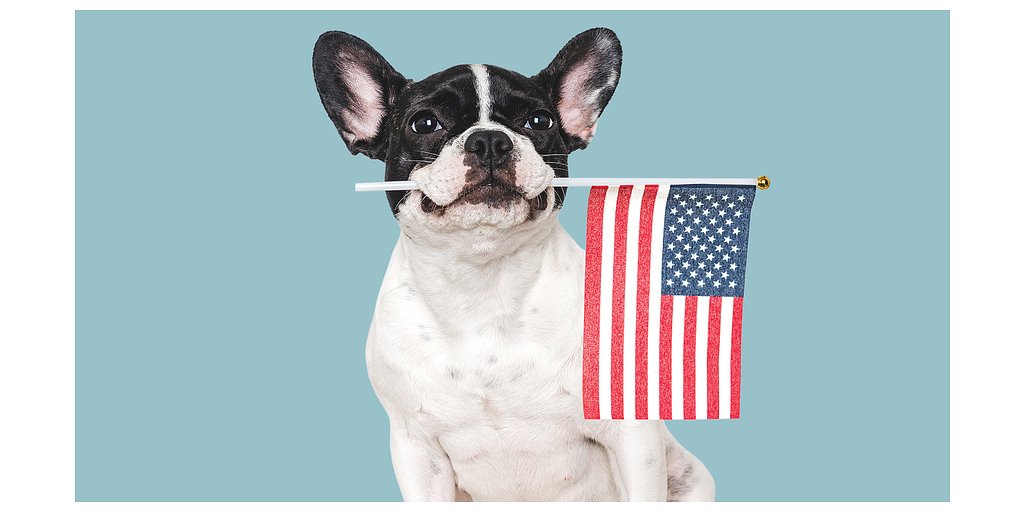
Beyond the Boom: Can Technology Tame Our Pets' Fireworks Phobia?
MINNEAPOLIS, MN – June 22, 2026 – As the nation gears up for the historic pomp and circumstance of America’s 250th birthday, a quieter, more anxious narrative unfolds in millions of homes. For every sky lit up in celebration, a dog is often cowering in a corner, trembling at the thunderous, unpredictable booms. The Fourth of July, a symbol of freedom and festivity for humans, has long been a day of terror for our animal companions. It’s a paradox of modern life: our grandest communal joys can cause our most loyal friends profound distress.
This year, however, a new intervention is entering the fray, one born not in a veterinary lab but in a digital studio. Pet food giant Blue Buffalo is launching a novel initiative aimed at soothing the nation's pets through what it calls the “dog-friendliest fireworks show.” It’s a fascinating intersection of corporate strategy, animal science, and digital media, raising a critical question for our increasingly tech-integrated lives: can we engineer a technological solution for a biological fear?
The Unseen Casualties of Celebration
For anyone who has held a shaking dog during a fireworks display, the problem is viscerally real. For those who haven’t, the data paints a stark picture. Surveys consistently reveal the scale of the issue, with one recent poll indicating that 65% of pet parents report their dog or cat is afraid of fireworks. For nearly a quarter of those owners, it is their pet’s single greatest stressor. This isn't mere nervousness; it's a deep-seated fear that can trigger a physiological “fight-or-flight” response. The loud, intermittent, and spatially unlocatable nature of fireworks makes them uniquely terrifying to animals who rely on their acute hearing to assess threats.
This widespread anxiety has tangible consequences. Animal shelters across the country report a significant spike in lost pets in the days following July 4th, as panicked dogs break through fences, leap from windows, or slip their leashes in a desperate attempt to flee the noise. The American Kennel Club has noted that more pets go missing on this holiday than any other day of the year. The stress doesn't just end when the last firecracker fades; many animals exhibit signs of anxiety for hours or even days afterward, requiring a careful and gentle return to normalcy.
For years, the advice has been consistent and largely analog: create a safe, sound-proofed space, play white noise, and stay home to offer comfort. But in an age where technology mediates so much of our experience, it was perhaps inevitable that a company would try to digitize the solution.
The Science of Digital Serenity
At the heart of Blue Buffalo’s campaign is a five-hour animated experience set to drop on YouTube on July 1. Developed with guidance from Dr. Evan MacLean, a leading canine cognitive scientist, the video promises “soothing sounds and visuals inspired by dogs’ favorite things — treats, toys and food.” The ambition is to create a digital safe space, a piece of media designed not for human entertainment but for canine distraction and comfort.
This isn't just a whimsical cartoon. The project taps into established principles of animal behavior. The core idea revolves around distraction and counter-conditioning. Instead of allowing a dog to focus on the threatening sounds from outside, the video aims to monopolize their auditory and visual attention with positive stimuli. By presenting engaging content—like animated tennis balls or falling treats—paired with calming sounds, the experience seeks to redirect the dog’s focus away from the source of its fear.
Dr. MacLean’s involvement lends scientific credibility to the effort. His work at the Arizona Canine Cognition Center explores the nuances of how dogs perceive the world and interact with humans. This scientific underpinning suggests a move beyond simply masking the sound of fireworks to actively reshaping the dog’s emotional state. The initiative also embraces the concept of positive association. The brand encourages pet owners to build a ritual by providing a special, high-value treat, like frozen pet-friendly stew, exclusively during loud events. Over time, the dog may begin to associate the once-feared noise with a highly anticipated reward, a classic tenet of behavioral psychology.
A Strategy of Care and Commerce
While the initiative is steeped in the language of pet welfare, it is also a shrewd piece of marketing from parent company General Mills. The pet wellness market is booming, fueled by a generation of owners who view their pets as family members and are willing to invest heavily in their physical and emotional health. This trend, often called the “humanization” of pets, has turned the pet care aisle into a frontier for premium, health-focused, and ethically branded products.
Blue Buffalo’s campaign is a masterclass in aligning a brand with this powerful cultural shift. By tackling a genuine pain point for pet owners, the company positions itself not just as a seller of food, but as a partner in responsible pet ownership. “We know pets are family, and this year, we're helping pet parents bring less stress and more tail wags to the holiday,” said Nicole Ayers, a director at General Mills, in a statement. This messaging reinforces the brand’s core philosophy: “Love them like family. Feed them like family.”
This strategy of care is seamlessly woven with commerce. The campaign includes a partnership with Instacart, offering discounts on the very products—like its Love Made Fresh stews and Nudges treats—that can be used to enact the expert-recommended calming tips. It’s a closed loop: the problem is fireworks anxiety, the free solution is the YouTube show and expert advice, and the recommended tools are Blue Buffalo products. This symbiotic approach allows the company to build brand loyalty and drive sales while performing what is, on its face, a public service.
A Toolkit for a Quieter Fourth
While the “dog-friendliest fireworks show” is an innovative new tool, experts agree that it should be one of many in a comprehensive toolkit for managing pet anxiety. The most effective approach is often a multi-layered one that is tailored to an individual animal’s needs. Blue Buffalo’s own experts, alongside veterinarians and animal behaviorists, recommend a suite of complementary strategies.
First and foremost is securing the environment. All doors, windows, and gates should be firmly closed. A “safe space,” such as an interior room or a crate covered with a blanket, can give a dog a den-like refuge. Masking the external noise with a white noise machine, a fan, or even a television can also be highly effective. The key is to provide a consistent, predictable sound that drowns out the jarring bangs from outside.
Enrichment and distraction remain vital. Food puzzles, treat-dispensing toys, or a simple game of “find the kibble” can redirect a dog’s mind and engage its powerful sense of smell, a calming activity in itself. For some dogs, pressure wraps like the Thundershirt can provide a sense of security, similar to swaddling an infant. Pheromone diffusers, which release synthetic versions of calming canine hormones, can also help create a more serene atmosphere.
Finally, it's crucial to consult a professional. A veterinarian can rule out any underlying health issues and, for dogs with severe phobias, may prescribe anti-anxiety medications. They can provide a plan that is safe and effective, helping to ensure that the celebration of our nation’s birth doesn’t come at the emotional expense of its most devoted companions.