
- 10% to 50% reduction in heating and cooling costs with proper insulation upgrades (U.S. Department of Energy).
- Hidden damage risks: Moisture penetration, mold growth, and pest infestations often go undetected under old siding.
- Structural threats: Water-damaged sheathing can compromise wall integrity, leading to costly repairs.
Experts emphasize that siding replacement should prioritize inspection and repair of underlying structural and insulation issues to ensure long-term home safety, efficiency, and health.
Beyond Curb Appeal: The Hidden Dangers Lurking Under Your Home's Siding
FULTON, NY – June 15, 2026 – For many homeowners, replacing tired, worn-out siding is a project fueled by the promise of transformation—a chance to boost curb appeal, modernize a facade, and shed the burden of constant upkeep. It represents a visible, tangible investment in one of our most significant assets. Yet, a growing chorus of building science experts and seasoned contractors is urging a fundamental shift in perspective. They argue that the true value of a siding project isn't just in the vibrant new panels, but in the rare opportunity to diagnose and heal the hidden systems that keep a home safe, healthy, and efficient.
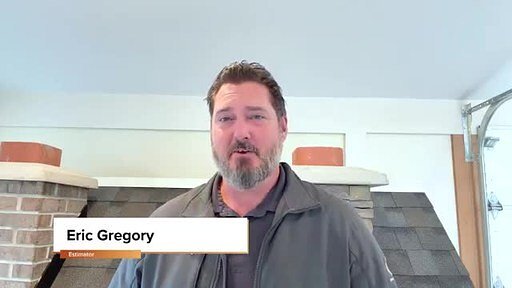
A recent article from the media platform HelloNation, featuring insights from roofing and exterior expert Eric Gregory of Over the Top Roofing, brings this critical, often-overlooked step into sharp focus. The message is simple and direct: before you pick a color, you must inspect what lies beneath. This proactive approach transforms a cosmetic update into a foundational investment in a home’s long-term resilience and performance.
The Unseen Threats Behind the Wall
A home is an intricate system. If the foundation is its bones and the wiring its nervous system, then the exterior walls—comprising siding, sheathing, and insulation—function as its skin and circulatory system, protecting it from the elements and regulating its internal environment. Simply applying a new layer of siding without confirming the health of the underlying structure is akin to putting a bandage on a broken bone. It conceals the problem without solving it.
Industry best practices, as outlined by organizations like the National Association of Home Builders, confirm that a thorough inspection of the sheathing—the layer of wood paneling between the siding and the wall studs—is non-negotiable. Over time, aging siding can develop small cracks or gaps, allowing moisture to penetrate and slowly wreak havoc out of sight. "Homeowners are often shocked to see what we find when the old siding comes off," explains one veteran contractor. "Years of slow leaks or pest activity can cause significant rot and mold growth that was completely invisible from the outside."
These are not minor issues. Water-damaged sheathing can compromise the structural integrity of the walls, while mold poses significant health risks to a home’s occupants. Furthermore, insects like termites and carpenter ants, or even rodents, can find entry points through deteriorating siding, chewing through wood framing and creating nests within wall cavities. Covering these problems with new siding only allows the damage to continue unchecked, leading to exponentially more expensive and invasive repairs down the road.
From Facelift to Fortress: An Investment in Efficiency
While identifying hidden damage is a crucial defensive measure, a siding replacement project also presents a powerful offensive opportunity. Removing exterior cladding exposes the entire wall cavity, providing a once-in-a-generation chance to dramatically improve a home's energy efficiency. For many houses, especially those built before modern energy codes were adopted, this is the most practical moment to address inadequate insulation.
The U.S. Department of Energy notes that proper insulation and air sealing are among the most cost-effective ways to enhance a home's comfort and reduce energy consumption. Data suggests that upgrading wall insulation can slash heating and cooling costs by 10% to 50%, depending on the home's age, climate, and existing conditions. By adding modern insulation, sealing air leaks around windows and fixtures, and installing a proper vapor barrier, homeowners can create a much tighter building envelope. This not only yields immediate and ongoing financial savings but also reduces the strain on HVAC systems, extending their lifespan.
This approach also builds a more resilient home. In an era of increasing climate volatility and extreme temperatures, a well-insulated structure maintains a stable internal environment more effectively, ensuring greater comfort and safety during heatwaves or cold snaps. The choice of siding material itself can contribute to this goal. Products like fiber-cement or insulated vinyl siding offer enhanced durability and thermal resistance, creating a robust shield that works in concert with the upgraded insulation beneath. When viewed through this lens, the project’s return on investment extends far beyond resale value; it becomes an investment in financial stability, comfort, and personal security.
Expert Knowledge in the Digital Age
The dissemination of this critical home improvement knowledge highlights an evolving system of public education. The traditional model of relying solely on a contractor’s advice is being supplemented by platforms like HelloNation, which operate on a model of "edvertising"—a blend of education and advertising. By featuring vetted local experts like Eric Gregory, whose company Over the Top Roofing holds top certifications and a stellar service record in its Central New York community, these platforms bridge the information gap for homeowners.
This model serves a vital function in a complex, high-stakes market. It empowers consumers with the language and knowledge to engage with contractors as partners rather than passive clients. It helps them understand why the lowest bid—one that likely skips a thorough inspection and insulation upgrade—is rarely the best value. By championing expert-driven content, this approach fosters a more informed community, where homeowners are equipped to make strategic decisions that enhance not only their property but their overall well-being.
Ultimately, the decision to replace a home's siding is the start of a significant process. By prioritizing a deep, diagnostic inspection, homeowners can address latent problems and seize the opportunity to build a more efficient, resilient, and healthier living environment. It requires a shift in thinking, moving beyond the surface-level appeal of a new facade to appreciate the profound importance of the systems working quietly behind the wall.