
- S$750,000: Tencent's investment in technology support and cash contributions for Singapore's heritage sector in 2025.
- February 4, 2026: Launch date of WonderBot 2.0 at the Children's Museum Singapore.
- Game-based learning: WonderBot 2.0 engages children through interactive missions, storytelling, and quizzes.
Experts view WonderBot 2.0 as a transformative step in making heritage learning more engaging and accessible for children, leveraging AI and gamification to bridge the gap between traditional museums and digital-native audiences.
AI Comes to Play: WonderBot 2.0 Transforms Singapore's Children's Museum
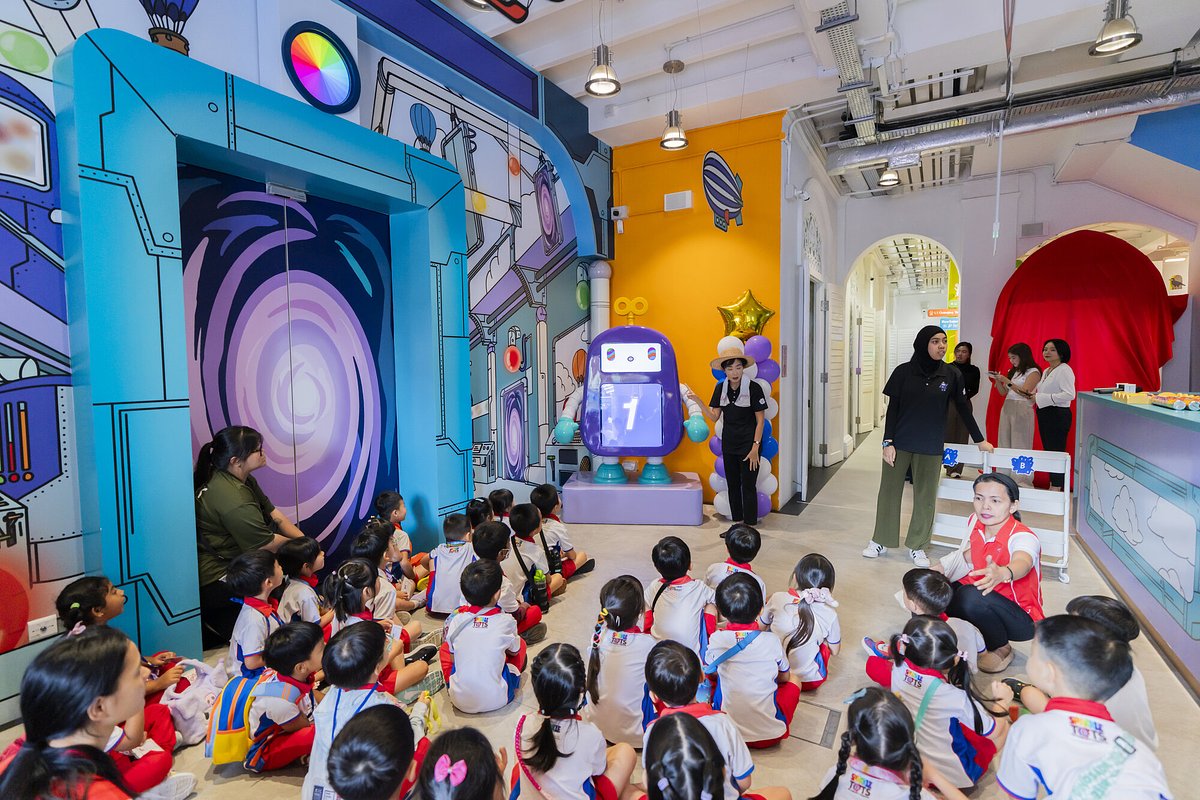
SINGAPORE – February 04, 2026 – The Children's Museum Singapore (CMSG) today welcomed its newest and most talkative guide: WonderBot 2.0. This is not a typical museum exhibit, but an advanced artificial intelligence companion designed to transform how children interact with Singapore's history and culture. The launch marks the first major initiative from a strategic partnership between HeritageSG and global technology giant Tencent, aiming to embed immersive, game-based learning across the nation's cultural institutions.
A New Era of Playful Learning
Located on the first floor of the museum, WonderBot 2.0 is more than a friendly digital face on a screen. Powered by Tencent's sophisticated digital avatar, 3D modeling, and semantic understanding technologies, the bot engages young visitors in natural, voice-responsive conversations. It guides them on interactive missions, tells stories, and presents age-appropriate quizzes, turning a traditional museum visit into a personalized adventure.
This initiative is a deliberate move away from passive learning. Instead of simply observing artifacts behind glass, children are encouraged to ask questions, experiment, and discover stories for themselves. The system is designed to be a two-way learning experience, calibrated to the child's age, ensuring the content is both accessible and challenging. Through gamified activities, WonderBot 2.0 invites children to explore heritage through play, a method proven to make learning more memorable and meaningful.
"Partnerships like this demonstrate how emerging technologies can make heritage learning more engaging and accessible for families and students," said Ms. Asmah Alias, Director of Galleries, Exhibitions and Museums at HeritageSG. She emphasized the bot's transformative role within the museum. "The Children's Museum Singapore is where curiosity takes hold. WonderBot is now more than a mascot — it's a companion that listens, learns, and laughs alongside our visitors. Through this collaboration with Tencent, we want to redefine how children today get to experience our heritage."
Tencent's 'Tech for Good' in Action
The debut of WonderBot 2.0 is a significant milestone for Tencent in the region, representing its first major social impact collaboration in Singapore. The project is a tangible outcome of the company's "Tech for Good" philosophy, which seeks to leverage its core technological strengths for societal benefit.
In 2025, Tencent committed over S$750,000 in technology support and cash contributions to help digitize Singapore's heritage sector, with the development of WonderBot 2.0 being a key component. This is part of a broader three-year commitment to advance culture, heritage, and the arts in the city-state, which has served as the company's Asian hub since 2020.
The project draws directly from Tencent's deep expertise in areas typically associated with entertainment. "Drawing on Tencent's deep experience in game technology, interactive design, and digital cultural preservation, we wanted to help create a museum experience that feels responsive, engaging, and playful," explained Murphy Zhao, Country Manager of Tencent Singapore and Head of Global Game Technology. The initiative aligns with the company's fifth anniversary in Singapore, underscoring its long-term investment in the community. "We're proud to contribute to the development of a digitally inclusive and culturally connected society for the next generation," Zhao added.
This move illustrates a broader trend of tech companies applying their vast resources and expertise beyond their commercial domains. By channeling its gaming and AI prowess into education and cultural preservation, Tencent is not only fulfilling a corporate social responsibility mandate but also showcasing the potential of its technology to address complex social and cultural goals.
Singapore's Vision for a Digital Heritage
The HeritageSG-Tencent partnership is a cornerstone of Singapore's ambitious national strategy to modernize its cultural sector. HeritageSG, a subsidiary of the National Heritage Board (NHB), was established to bring greater agility to this mission, fostering collaborations that blend tradition with technology.
This is not the nation's first foray into high-tech heritage. The NHB has consistently championed digitalization, from creating extensive digital archives to piloting AI-powered virtual hosts and facial recognition technology for personalized recommendations at institutions like the Asian Civilisations Museum. These efforts aim to expand the reach of Singapore's stories and make its museums more relevant to a digitally native generation.
The launch of WonderBot 2.0 establishes a powerful new platform for HeritageSG to pilot and scale such digital initiatives. It serves as a model for future public-private partnerships, creating opportunities to work with other technology leaders and local creatives to build shared capabilities and accelerate innovation across the entire heritage ecosystem. By embedding cutting-edge technology directly into the visitor experience, Singapore is actively working to strengthen its cultural touchpoints and foster a deeper sense of national identity and pride.
The Global Museum Goes Digital
The initiative at the Children's Museum Singapore places it at the forefront of a global movement. Museums worldwide are grappling with how to captivate audiences accustomed to interactive, on-demand digital content. The answer, increasingly, lies in transforming the museum itself into an immersive experience.
Institutions like the Museum of the Future in Dubai and Mercer Labs in New York are pioneering multi-sensory exhibits that engage visitors in new and profound ways. The trend is clear: the future of museums is less about quiet observation and more about active participation. Gamification, conversational AI, and personalized journeys are becoming standard tools for making history, art, and science come alive.
WonderBot 2.0 is a prime example of this trend, tailored specifically for the crucial audience of young learners. Its ability to hold a conversation, adapt to a child's curiosity, and frame learning as a quest sets a new benchmark for educational technology in a cultural setting. As it becomes a permanent part of the Children's Museum Singapore experience from February 4, 2026, the friendly AI companion will not only guide children through exhibits but also guide the way for other cultural institutions looking to bridge the gap between their collections and the next generation.