
- $60 billion: Zhongshan's projected GDP by 2025, showcasing its industrial might.
- 70+ enterprises: Number of high-quality Zhongshan-based companies featured in the Malaysia trade event.
- $190.24 billion: Bilateral trade value between China and Malaysia in 2023.
Experts view this initiative as a strategic shift in China's trade approach, transforming one-way exports into long-term, mutually beneficial economic partnerships with Southeast Asia, particularly through industrial collaboration and digital commerce integration.
Zhongshan's Global Gambit: China Deepens Trade Ties in Malaysia
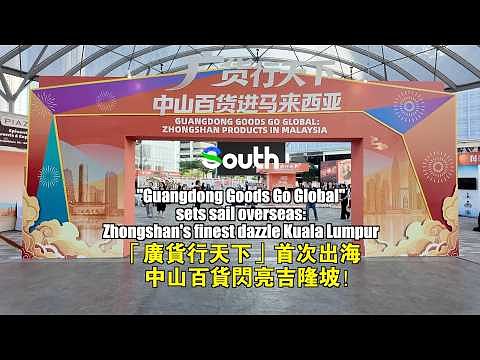
KUALA LUMPUR, Malaysia – April 28, 2026 – The bustling Pavilion Bukit Jalil in Kuala Lumpur recently played host to more than just shoppers; it became the frontline for a new phase in China's global trade strategy. The "Guangdong Goods Go Global: Zhongshan Products in Malaysia" event, which kicked off on April 25, was not merely a trade show. It marked the first time this provincial initiative has taken its brick-and-mortar exhibition overseas, signaling a sophisticated push to deepen economic integration with Southeast Asia beyond simple commodity exports.
Featuring over 70 high-quality enterprises from the manufacturing powerhouse of Zhongshan, the two-day event showcased a strategic blend of physical product displays and digital commerce integration, all aimed at creating a permanent economic foothold in the region. This move reflects a broader evolution in China's approach, transforming trade relationships into comprehensive partnerships built on two-way investment and industrial synergy.
A New Blueprint for Global Trade
The event in Kuala Lumpur represents a significant tactical shift for the "Guangdong Goods Go Global" platform. While previous iterations have tested the waters within China, this Malaysian debut is a clear statement of intent. The initiative is a microcosm of China's national "Go Global" strategy, leveraging the economic might of Guangdong province to forge deeper connections within the Belt and Road Initiative framework.
The core of this new blueprint is the move away from a one-way flow of goods. The China (Zhongshan)–Malaysia (Kuala Lumpur) Investment Promotion & Exchange Conference, held concurrently, underscored this ambition. The Zhongshan Investment Promotion Bureau actively presented the city's business environment, going as far as to appoint representatives from the Malaysian business community as official investment advisors for Zhongshan. This strategy aims to create a "virtuous cycle," where showcasing high-quality Chinese products abroad piques the interest of foreign investors.
"More and more businessmen who are optimistic about Zhongshan's industrial and supply chain advantages are coming to Zhongshan to visit after seeing Zhongshan's products," said Jiang Ji, Party Secretary of the Zhongshan Investment Promotion Bureau. This reflects a calculated effort to leverage product showcases as a lure for foreign direct investment back into China.
By leveraging embassies, business institutions, and overseas Chinese business networks, Zhongshan is not just pushing its products out but actively pulling investment in. The goal, as articulated by event organizers, is to transform the relationship with ASEAN nations from mere trade to a long-term, win-win cooperation involving shared industrial development.
Blending Bricks and Clicks in Southeast Asia
At the heart of the event's tactical execution was a powerful hybrid model combining a traditional exhibition with the formidable reach of e-commerce. The "Intelligent Manufacturing Zhongshan" exhibition area, with its smart home appliances, advanced lighting fixtures, and even smart physiotherapy robots from brands like TCL, Changhong, and Vatti, provided a tangible experience of the city's manufacturing prowess. Over 300 distinct products were on display, with more than 20 firms engaging in direct on-site sales.
However, the most forward-looking aspect was the integration with Shopee, Southeast Asia's dominant e-commerce platform. Representatives from Shopee were present to engage directly with the 70-plus participating Chinese firms, promoting onboarding policies and channel resources. This online-offline synergy is critical for penetrating the diverse and rapidly growing Southeast Asian market.
For Chinese manufacturers, particularly small and medium-sized enterprises (SMEs), Shopee's International Platform offers a turnkey solution for cross-border sales. It bypasses traditional, often complex, distribution channels and provides direct access to over 350 million active buyers in the region. By combining the brand-building and networking opportunities of a physical trade show with the continuous sales and vast reach of a digital marketplace, Zhongshan's companies gain a significant competitive advantage. This omnichannel strategy ensures that the connections made and interest generated during the two-day event can be converted into sustained sales and long-term market presence.
Zhongshan's Industrial Might on Display
The event was as much a showcase of a city's industrial ecosystem as it was of individual products. Zhongshan, a key city in the Guangdong-Hong Kong-Macao Greater Bay Area, is an industrial titan with a GDP projected to exceed $60 billion by 2025. It is home to 34 major industrial sectors, with over 90% of its large industrial firms having undergone digital upgrades.
The products on display—from smart appliances to hardware locks—were not random selections but representative of Zhongshan's deep industrial clusters in home appliances, electronics, and equipment manufacturing. This industrial depth provides a competitive edge, enabling a complete supply chain that supports both massive brands and the innovative "little giant" firms that excel in niche technologies.
Further cementing this long-term vision was the announcement of the "Malaysia (Johor Bahru)–China (Zhongshan) Famous and High-Quality Products Trade Centre." This move creates a permanent frontier base in Malaysia, transitioning from temporary exhibitions to a sustained platform for product displays, sales, and business matchmaking. It provides Zhongshan enterprises with a stable launchpad into the ASEAN market and offers Malaysian businesses a consistent and reliable point of access to Chinese manufacturing capabilities.
Navigating a Deepening Economic Partnership
This strategic push from Zhongshan lands in a fertile economic landscape. China has been Malaysia's largest trading partner for 15 consecutive years, with bilateral trade reaching US$190.24 billion in 2023. As the two nations celebrate 50 years of diplomatic relations, their economic ties are only deepening, with agreements in place to boost cooperation in the digital and green economies.
Chinese investment has become a major driver of growth in Malaysia, particularly in manufacturing, infrastructure, and technology. From 1980 to mid-2024, Chinese-backed manufacturing projects created nearly 89,000 jobs. This influx brings opportunities for technology transfer and industrial upgrading for Malaysia. For Malaysian consumers, it means greater access to a wide array of affordable, technologically advanced products, a trend that is shifting perceptions of "Made in China" from low-cost to high-value.
However, this deepening integration is not without its challenges. The influx of competitively priced Chinese goods presents a significant competitive threat to local Malaysian SMEs. Concerns about over-reliance on imports and the potential for market disruption are valid points of discussion within the local business community. The success of this evolving partnership will depend on finding a balance that fosters mutual growth, ensuring that the benefits of increased trade and investment are shared, and that local industries can adapt and thrive alongside their new global competitors. The event in Kuala Lumpur is a clear signal that this new era of complex economic interdependence has firmly arrived.