
- 90% of environmental impact from gum disease comes from clinical treatments, up to 10x higher for advanced cases.
- 1 billion+ people globally suffer from severe periodontitis, projected to rise to 1.5 billion by 2050.
- $54 billion annually lost in productivity due to gum disease.
Experts agree that preventing gum disease through at-home care significantly reduces both environmental impact and healthcare costs, making it a critical strategy for sustainability and public health.
Your 'Mouthprint': How Preventing Gum Disease Can Heal the Planet
GENEVA – June 04, 2026 – For years, the eco-conscious consumer has focused on their carbon footprint, diligently recycling, reducing waste, and choosing sustainable products. But a groundbreaking new study suggests one of the most impactful frontiers for personal environmentalism may be hiding in plain sight: inside our mouths. Research published in the peer-reviewed Journal of Dentistry reveals that treating advanced periodontal (gum) disease can carry up to ten times the environmental burden of simply preventing it with good at-home care. This isn't about the plastic in your toothbrush; it's about the profound, and previously unquantified, environmental cost of disease itself.
The first-of-its-kind Life Cycle Assessment (LCA), developed by sustainability and oral health experts with Procter & Gamble, moves the conversation beyond “green” packaging. It demonstrates that the most significant lever for sustainability in oral care isn't what you buy, but the health outcomes you achieve. For those who value impact over hype, this changes everything.
The New Math of Sustainability: Prevention Over Products
The study, “Quantifying the Environmental Impact Potential from Periodontal Health to Disease,” meticulously analyzed the entire pathway of oral health, from a healthy mouth maintained at home to the complex, resource-intensive treatments required for advanced periodontitis. The findings are a stark reminder that the biggest impacts often come from the services we require, not just the products we consume.
Clinical interventions—the professional treatments needed once gum disease takes hold—account for a staggering 90% of the total environmental impact. This includes everything from the energy used in dental clinics and the water consumed, to the single-use materials required for procedures and the patient’s travel to and from appointments. As the disease progresses, so does the intensity of care and its associated environmental toll.
“What’s important about this LCA is that it places products in the real-world context of oral health, showing that prevention at home, and reducing high-impact clinical care, is where the biggest sustainability leverage sits,” said Professor Brett Duane of the University of Dundee, a co-author of the study. This perspective fundamentally reframes our approach. While choosing a toothbrush with less plastic is a positive step, preventing the need for multiple surgeries and lifelong maintenance appointments is an exponentially more powerful act of environmental stewardship.
Dr. Steven Mulligan, another co-author from the University of Sheffield, puts it plainly: “Around 90% of the environmental impact comes from clinical treatment, and it is up to ten times higher for advanced periodontal disease. Prevention is one of the most powerful levers we have.”
A Silent Epidemic's Planetary Price Tag
The study’s environmental findings are magnified by the sheer scale of the health crisis they address. Periodontal disease is not a niche problem; it is a silent global epidemic. According to 2021 data, more than one billion people worldwide are living with severe periodontitis, a number projected to swell to 1.5 billion by 2050. This silent suffering carries an immense economic weight, with an estimated $54 billion in lost productivity annually and direct treatment costs that run into the hundreds of billions globally.
This is where the human need and the planetary need converge. The same disease that burdens our healthcare systems and diminishes quality of life is also exacting a heavy toll on the environment. Furthermore, the mouth is a gateway to the rest of the body. As Professor Andrea Pilloni of Sapienza University of Rome notes, the connection between oral health and overall well-being is undeniable. “We see strong clinical associations between gum diseases and systemic conditions such as diabetes and cardiovascular diseases,” she explains. “That’s why prevention at home matters: consistent, effective plaque removal…helps keep inflammation under control and supports long-term health.”
Preventing gum disease is therefore a trifecta of positive change: it improves individual health, reduces the immense financial strain on global healthcare systems, and, as this new research proves, significantly lessens our collective environmental impact.
The Power in Your Hands: Redefining Preventative Care
The most empowering message from this research is that the primary solution is accessible to almost everyone. The 'tangible difference' lies in the small, consistent habits we practice every day. Effective at-home prevention—brushing twice daily for two minutes with a fluoride toothpaste and cleaning between the teeth—is the cornerstone of maintaining periodontal health and avoiding the cascade of high-impact clinical interventions.
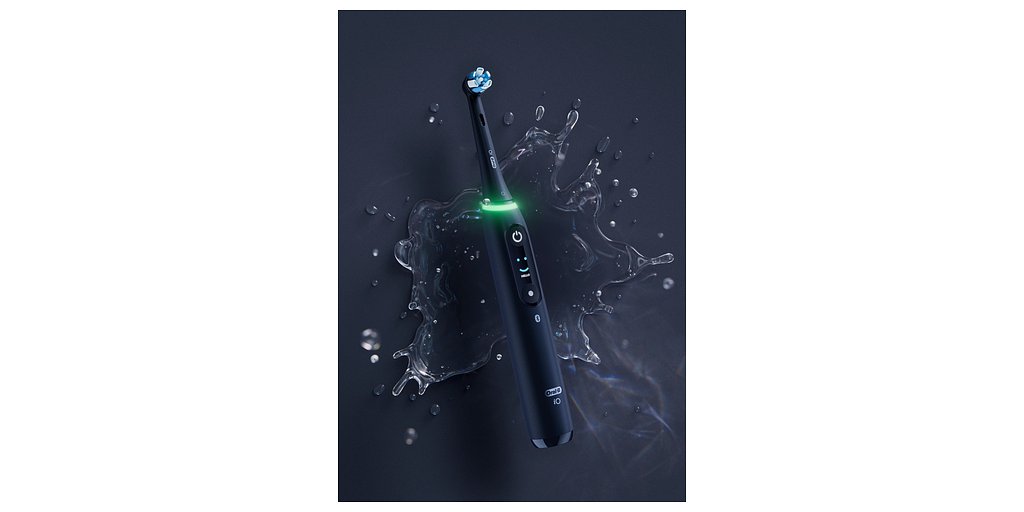
While the study found that within the at-home routine itself, water use was the biggest environmental factor, the choice of tools can dramatically influence the effectiveness of that routine. Better plaque removal means a lower chance of disease progression. Here, technology can play a crucial role in empowering individuals. Michael Grieff, Senior Vice President of R&D for Oral Care at Procter & Gamble, points to the efficacy of their advanced powered toothbrushes. “In a meta-analysis… 4x as many people returned to healthy gums using iO powered toothbrushes compared to a manual toothbrush,” he states. This isn't just about a cleaner mouth; it's about achieving a state of health that circumvents the need for environmentally costly treatments down the line.
This highlights a critical nuance: while the LCA found no meaningful difference in the direct environmental footprint between using a manual or electric brush at home, the superior effectiveness of certain tools in preventing disease is the key to unlocking the far greater sustainability gains. The best tool is the one that keeps you out of the periodontist’s chair.
A Broader Shift in Healthcare Thinking
The implications of this study ripple far beyond the dental office. It serves as a powerful case study for a necessary evolution in how we approach sustainability across the entire healthcare sector, which is responsible for nearly 5% of global greenhouse gas emissions. For too long, the focus has been on 'greening' the supply chain—reducing waste and making hospitals more energy-efficient. While important, these efforts miss the larger opportunity.
This research champions a new paradigm: preventative medicine as a primary strategy for environmental sustainability. By quantifying the massive downstream environmental costs of treating chronic, preventable diseases, it provides a model that could be applied to conditions like type 2 diabetes, heart disease, and more. It proves that investing in public health education, access to preventative care, and tools that empower healthy behaviors is not only a social and economic imperative but a critical environmental one as well.
The simple, twice-daily act of brushing your teeth has always been a cornerstone of personal health. Now, we understand it as an act of planetary health, too. By taking control of our oral hygiene, we are not just protecting our gums; we are reducing our 'mouthprint' and contributing to a more sustainable future for everyone.