
- 46 years: The first new flavor introduced in Singapore since 1980.
- Nutri-Grade D: The peach variant, like the original Yakult, has a high sugar content, restricting media advertising.
- Strategic pivot: Replacing the least popular orange flavor with a globally successful peach variant.
Experts would likely conclude that Yakult's introduction of a peach flavor represents a calculated strategic shift to stay relevant in a competitive market, balancing consumer nostalgia with modern health trends and regulatory constraints.
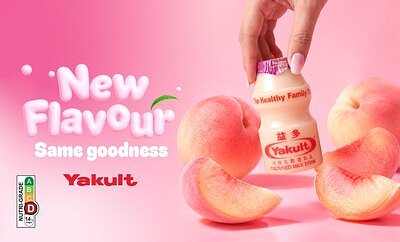
Yakult's 46-Year Bet: Why a Peach Flavor Signals a Major Strategic Pivot
SINGAPORE – June 11, 2026 – For the first time in 46 years, a new flavor is joining the iconic lineup of Yakult in Singapore. The introduction of a peach variant marks a monumental shift for a brand that has been a staple in Singaporean households since 1979. While the launch of a new flavor might seem like a routine update, for Yakult, it represents a carefully calculated strategic pivot at the intersection of consumer nostalgia, fierce market competition, and evolving public health standards. The move, which includes phasing out the long-standing orange flavor, is far more than a simple product swap; it’s a telling indicator of how a legacy brand is navigating the turbulent waters of the modern wellness market.
The Sweet Taste of Strategic Refreshment
The last time Yakult Singapore diversified its flavored offerings was in 1980. For nearly half a century, the trio of grape, apple, and orange has accompanied the original cultured milk drink. This long period of consistency built a powerful brand identity, but in a fast-moving consumer goods landscape, it also risked stagnation. The decision to introduce peach is a direct response to this challenge. As Mr. Sunami Masaaki, Managing Director of Yakult Singapore, stated, the launch marks an "exciting chapter... as we continue to keep the brand fresh and relevant."
This refresh is aimed squarely at evolving consumer tastes and a desire to capture a new generation of customers. The company notes the peach flavor was created for both younger consumers and families, offering a "refreshing taste experience that complements modern lifestyles and wellness routines." The choice of peach was not arbitrary. It was driven by strong performance in international markets like China, Europe, and Vietnam, and bolstered by direct customer requests in Singapore. This signals a strategic shift towards globalizing successful flavor profiles while listening closely to local market feedback.
However, changing a beloved product line is fraught with risk. The simultaneous announcement that the orange flavor would be discontinued has sparked a wave of online conversation, revealing the deep emotional connection consumers have with the brand. Social media platforms lit up with a mix of excitement for the new and nostalgia for the old. While many welcomed the change, others lamented the loss of a childhood favorite. Media intelligence analysis revealed a fascinating consumer sentiment: a "protective anxiety" not just for the departing orange flavor, but for the future of the remaining grape and apple variants, demonstrating just how deeply the brand is woven into the cultural fabric.
Navigating the 'Cultured War' and Market Pressures
The launch cannot be understood outside the context of Singapore's highly competitive probiotic drink market, often dubbed the 'cultured war'. Yakult's primary rival, Vitagen, has been aggressive in its product positioning, particularly concerning health credentials. This competitive pressure, combined with a broader consumer trend toward functional foods and gut health, has made innovation a necessity for survival and growth.
The decision to replace the orange flavor—identified internally as the least popular of the flavored options—with the internationally successful peach variant was a pragmatic one. Mr. Sunami cited production capacity constraints at the company's Senoko Avenue plant as a key factor, forcing a choice between retaining an underperformer and introducing a potential high-growth product. This move streamlines the company's portfolio, optimizing production and aligning its local offerings with proven global winners.
By introducing a flavor that has already demonstrated strong appeal, the company is mitigating the risk of a new product launch while signaling its responsiveness to consumer desires. It's a strategic play to inject novelty into the brand without straying from the core product that has defined it for decades. Each bottle of the new peach Yakult still contains the 10 billion live Lacticaseibacillus paracasei strain Shirota™ (LcS), the unique, science-backed probiotic that is the cornerstone of the brand's identity and health proposition.
The Nutri-Grade Dilemma: Balancing Taste and Health
Perhaps the most complex aspect of this launch is its intersection with Singapore's public health regulations. The new peach flavor, like the original Yakult, has received a Nutri-Grade D rating, signifying a high sugar content. This designation carries significant business implications. Under Singapore Food Agency (SFA) guidelines, beverages with a 'D' grade are prohibited from being advertised in the media.
This places Yakult in a challenging position. While it is innovating on taste to drive consumer excitement, it is doing so with a product that cannot be actively promoted through traditional advertising channels. This stands in stark contrast to competitor strategies and even Yakult's own recent moves. Vitagen, for instance, prominently markets its 'Less Sugar' product, which boasts a healthier Nutri-Grade B rating. Recognizing this regulatory landscape, Yakult Singapore itself launched "Yakult Gold" in 2023, a lower-sugar variant fortified with Vitamin D that achieved a Nutri-Grade B, allowing it to be advertised and sold in schools.
The co-existence of the Nutri-Grade D peach flavor alongside the Nutri-Grade B Yakult Gold highlights a sophisticated, multi-pronged strategy. The company is simultaneously catering to consumers who prioritize taste and familiarity while developing healthier alternatives for a more health-conscious segment and a stricter regulatory environment. It’s a delicate balancing act between maintaining the classic taste profile that loyal customers expect and adapting to a market that increasingly scrutinizes sugar content.
A Legacy Probiotic for a Modern Palate
Since its humble beginnings in Singapore in 1979, Yakult has built an empire on the principle of promoting digestive health. Its state-of-the-art plant produces the drink daily, ensuring freshness and quality. The introduction of the peach flavor, alongside the higher-probiotic Y1000 and lower-sugar Yakult Gold, shows that the company's innovation strategy is not monolithic. It is diversifying its portfolio to address different consumer needs, from taste and novelty to specific health benefits and dietary concerns.
The launch of the peach flavor is therefore a microcosm of the challenges facing legacy brands today. It is an attempt to honor a decades-long heritage while making the necessary concessions to modernity. By replacing its least popular flavor with a globally tested winner, Yakult is making a data-driven decision to optimize its offerings, even as it navigates the complex crosscurrents of consumer sentiment and public health policy. This move demonstrates that even for a product as timeless as Yakult, standing still is no longer an option.