
- 400 kW: Maximum power output of the C7 ultra-fast charger, enabling 80% EV battery charge in 20 minutes.
- 200 kW: Power supplied by the GridLink system to vehicles while drawing only 44 kW from the grid.
- 9.46 MWh: Combined energy storage capacity of the Brooklyn charging depot, supporting up to 88 EVs simultaneously.
Experts agree that XCharge's European expansion strengthens its ability to deliver advanced EV charging solutions to the U.S., despite domestic sourcing challenges, by leveraging global supply chains and grid-independent technologies.
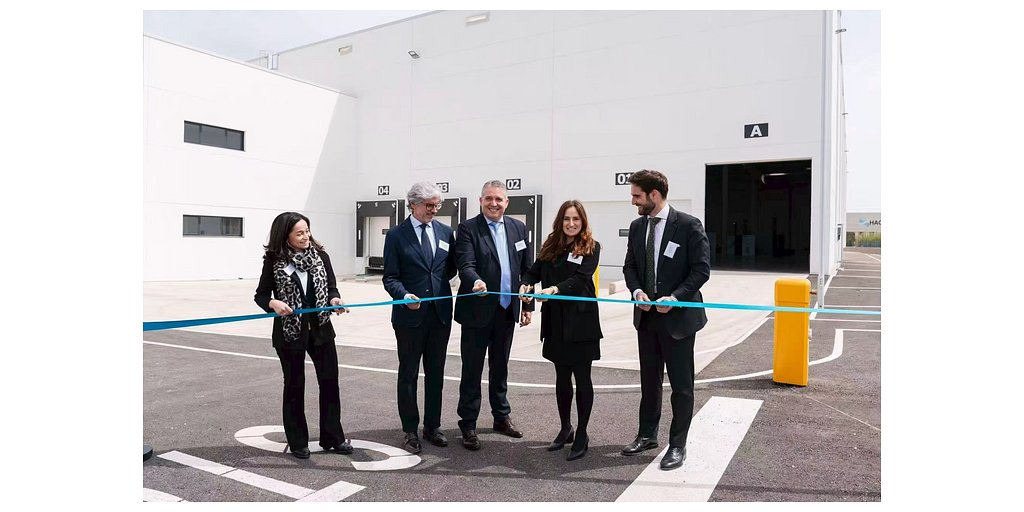
XCharge's Spanish Plant to Bolster US EV Charging Infrastructure
KYLE, TX – April 13, 2026 – In a move that underscores the increasingly global nature of critical infrastructure development, XCharge North America is celebrating its parent company's expansion into Europe with a new assembly plant in Valencia, Spain. The nearly 3,000-square-meter facility, operated by XCHG Limited (NASDAQ: XCH), is poised to directly benefit the North American electric vehicle market by diversifying the company's supply chain and fast-tracking the development of next-generation, grid-independent charging technologies.
The opening comes at a critical juncture for the United States, where ambitious EV adoption goals are frequently stymied by an aging electrical grid unable to keep pace with the demand for high-power charging. This European expansion highlights a complementary reality in today's industrial landscape: building resilient domestic infrastructure often depends on robust, globally integrated supply networks.
A Global Strategy for Local Grids
While U.S. industrial policy, including the National Electric Vehicle Infrastructure (NEVI) program, increasingly emphasizes domestic sourcing through "Buy America" provisions, XCharge's strategy illustrates the practical necessity of a global footprint. The Valencia plant is designed to mitigate supply chain vulnerabilities and ensure a steady flow of advanced components, thereby strengthening the company's ability to serve its North American partners.
Industry analysts note that increasingly strict domestic content requirements could pose significant challenges for manufacturers, as key components like high-resolution displays, transformers, and advanced circuit boards are not currently produced at scale within the U.S. By establishing a European assembly and testing hub, XCharge creates a more resilient and flexible production ecosystem, better positioning it to navigate evolving trade policies while continuing to deliver cutting-edge technology.
“The new Silla plant represents a major step forward in XCharge’s expansion in Spain and reinforces our commitment to a more efficient and sustainable European supply chain,” said Aatish Patel, President and Co-founder of XCharge North America, in a statement. “Far beyond its operational function, this facility reflects our vision of building a stronger value chain founded on engineering excellence, continuous innovation, and a long-term commitment to the energy transition.”
Accelerating Grid-Independent Technology
The Valencia facility will serve as the primary assembly and testing center for some of XCharge's most advanced hardware, designed specifically to address grid limitations. Chief among these are the C7 ultra-fast charger and the innovative GridLink battery-integrated system.
The C7 ultra-fast charger is a compact powerhouse capable of delivering up to 400 kilowatts (kW) of power at a maximum of 600 amps. This enables it to charge a compatible EV battery to 80% in as little as 20 minutes. Equipped with both NACS (Tesla) and CCS connectors, the C7 offers broad compatibility and features dynamic load management to intelligently distribute power between two vehicles charging simultaneously.
More revolutionary is the GridLink system, an award-winning solution that embodies the "low-input, high-output" philosophy. This battery-integrated DC fast charger can supply nearly 200 kW of power to vehicles while drawing as little as 44 kW from the grid. It achieves this by using an integrated battery energy storage system, with capacities ranging from 215 kWh to 430 kWh, to store electricity during off-peak hours. This energy is then discharged at high power during charging sessions, drastically reducing the strain on local utility infrastructure and shielding site operators from costly demand charges. The system also supports bidirectional energy flow, allowing it to send power back to the grid during peak demand, enhancing overall grid stability.
High-Impact Deployments Across North America
The real-world impact of this technology is already being demonstrated in key projects across the United States. In late 2025, Vermont-based Cellerate Power launched the first North American deployment of the C7 charger at a public site in Winhall, Vermont. Located at the base of the Stratton Mountain Ski Resort, the site provides charging speeds two to three times faster than other ultra-fast chargers in the region, directly addressing the "range anxiety" that can be exacerbated by the state's cold winters and mountainous terrain.
Meanwhile, a landmark project is taking shape in Brooklyn, New York. XCharge North America has partnered with contractor Energy Plus to develop one of the nation's largest battery-backed DC fast-charging depots in Williamsburg. Slated to go live in the second quarter of 2026, the hub will feature 44 dual-head GridLink chargers capable of servicing up to 88 EVs at once. With a combined energy storage capacity of 9.46 megawatt-hours (MWh), the depot is designed to thrive in a dense, high-demand urban environment. By drawing and storing power during off-peak hours, the site will deliver reliable fast charging without overburdening New York's grid or incurring prohibitive electricity costs, setting a powerful precedent for urban charging infrastructure nationwide.
A Transatlantic Green Partnership
The inauguration of the Valencia plant was marked by the attendance of distinguished representatives from Spain's national, regional, and local governments, signaling strong institutional backing for the project. Officials highlighted XCharge's investment as a key contributor to regional reindustrialization, the creation of skilled jobs, and national decarbonization goals.
The event featured a panel discussion with participants from the Spanish government, the Automotive and Mobility Cluster of Valencia (AVIA), and the Business Association for the Development and Promotion of Electric Mobility (AEDIVE). Support was also voiced by major players in the sustainable mobility sector, including Acciona, Repsol, and Iberdrola | bp pulse, underscoring the project's significance within the broader European energy transition.
Production at the Silla plant is scheduled to begin in 2027, initially focusing on assembling GridLink units for the European market. This two-way street of innovation and production showcases a modern model for international cooperation. As XCharge leverages European manufacturing to strengthen its North American offerings, it simultaneously contributes to Spain's green economy, making the new facility a cornerstone of the company's global vision for a cleaner, more resilient energy future.