
- 61% of Americans still primarily seek cleaning advice from family and friends, while 39% turn to digital channels.
- 78% of Americans clean as much as or more than their parents did.
- 20% of households in high-income countries use AI-powered robotic vacuums.
Experts conclude that while digital cleaning advice and smart technology are growing in popularity, traditional, human-sourced cleaning wisdom remains the most trusted method for most Americans due to its authenticity and reliability.
Why Grandma's Cleaning Advice Still Beats AI and TikTok Hacks
WASHINGTON, D.C. – March 18, 2026 – In an age of AI assistants and viral social media hacks promising a spotless home in minutes, the most trusted source for getting a stubborn stain out of the carpet remains decidedly low-tech: a call to Mom or a tip from a friend. A new survey reveals a surprising truth about modern domestic life—tradition, it seems, is not so easily scrubbed away.
As the American Cleaning Institute (ACI) marks National Cleaning Week, it has released new data showing that a significant majority of Americans, 61%, still primarily seek cleaning advice from family and friends. This reliance on passed-down wisdom stands in contrast to the 39% who turn to digital channels like internet searches, social media, or artificial intelligence. The findings, from a survey conducted by Wakefield Research, suggest that while technology is making inroads into every corner of our lives, the heart of the home is still governed by human connection and time-honored knowledge.
This preference for tradition is happening as the ACI, the leading trade association for the U.S. cleaning products industry, prepares to celebrate its 100th anniversary in 2026. The centennial provides a moment to reflect on a century of radical transformation in household hygiene, from basic soaps to the sophisticated, sustainable formulations on shelves today.
The Enduring Power of Tradition
The survey's core finding that most people favor familial advice over algorithms speaks to a deep-seated trust in personal experience. For many, cleaning is more than a chore; it is a learned practice, a ritual passed down through generations. This is reinforced by another key statistic from the report: 78% of Americans say they clean as much as or even more than their parents did, indicating a strong continuity of household standards across generations.
Consumer behavior experts note that this preference is rooted in authenticity and reliability. While a viral video might demonstrate a seemingly miraculous cleaning hack, advice from a family member comes with a lifetime of context and proven results. It’s the difference between a theoretical solution and a trusted remedy. This dynamic is particularly pronounced in household management, where personal stakes are high and the consequences of bad advice—like a ruined piece of furniture—are tangible.
Furthermore, the act of cleaning itself is being redefined. For many, particularly younger generations, tidying up is seen as a form of self-care and a method for managing stress and anxiety. In a world of constant digital noise, the tangible, repetitive motions of cleaning can provide a sense of control and accomplishment. This psychological benefit strengthens the appeal of traditional, mindful approaches to cleaning over purely efficiency-driven technological solutions.
The Rise of the Digital Mop
While tradition holds the top spot, the 39% of Americans turning to digital tools represent a powerful and growing trend. The internet has democratized information, and the cleaning world is no exception. Platforms like TikTok and Instagram are flooded with cleaning influencers and hashtags like #CleanTok, which have amassed billions of views. These digital creators offer a constant stream of tips, product recommendations, and organizational inspiration.
This digital shift is about more than just finding a quick fix for a spill. Consumers are increasingly using the internet to become more educated about the products they bring into their homes. With growing awareness around health and sustainability, people research ingredient lists, verify environmental claims, and consult online reviews before making a purchase. One global study found that 65% of consumers in North America and Europe check online reviews before buying cleaning products.
Technology is also physically entering the cleaning closet. AI-powered robotic vacuums, now present in approximately 20% of households in high-income countries, are just one example of how automation is changing domestic labor. These smart devices, along with self-cleaning ovens and advanced washing machines, promise to save time, a precious commodity for modern households. Younger demographics, like Gen Z and Millennials, who report cleaning more frequently than older generations, are often the quickest to adopt this blend of digital advice and smart technology.
A Century of Clean: Innovation Meets Sustainability
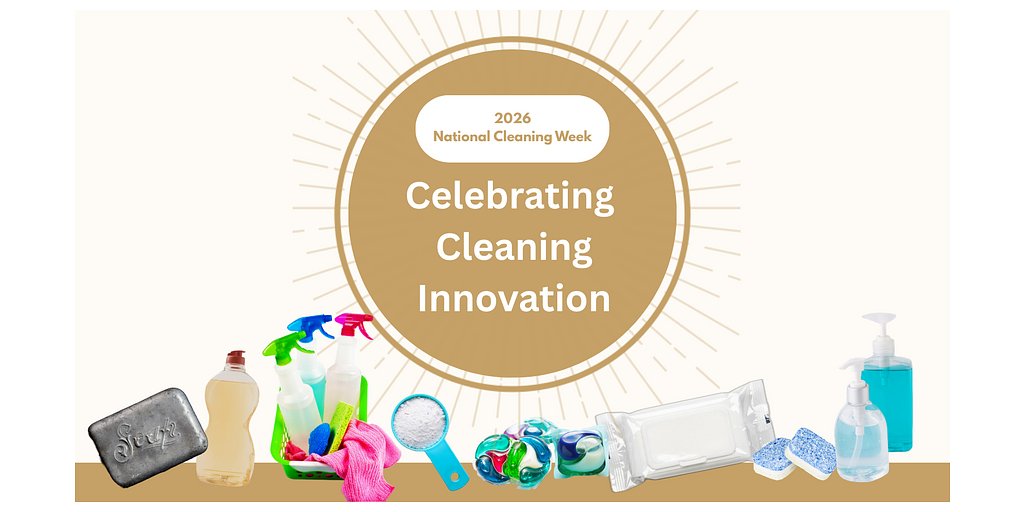
The tension between tradition and technology is unfolding against the backdrop of a century of immense change within the cleaning products industry. The ACI's centennial theme, “Celebrating Cleaning Innovation,” highlights this evolution. Since its founding in 1926, the organization has witnessed the industry move from simple formulations to complex chemical engineering designed for a vast array of specific tasks.
“Our 100th anniversary is a celebration of the remarkable progress we've made together and a reaffirmation of our commitment to driving positive change in the decades ahead,” said Jennifer Abril, ACI President & CEO, in a statement. “Together, ACI and its members continue to innovate and pave the way for a cleaner present and a more sustainable future.”
Today, the most significant driver of innovation is sustainability. Responding to overwhelming consumer demand, the industry is undergoing a green revolution. The global market for natural household cleaners, valued at nearly $7 billion in 2024, is projected to almost double to over $13 billion by 2030. This trend manifests in several key ways: plant-derived, non-toxic ingredients; biodegradable formulas; and a radical rethinking of packaging. Concentrated pods, refillable bottles, and water-soluble sheets are becoming mainstream as brands seek to minimize plastic waste and reduce their carbon footprint. Innovations in laundry care, such as detergents optimized for energy-saving cold water washes, further underscore the industry’s pivot toward environmental responsibility.
The Modern Household: A Hybrid Approach
Ultimately, the modern American household is not a battleground between old and new but a blend of both. The contemporary consumer is a savvy hybrid, valuing Grandma’s time-tested method for polishing silver while simultaneously consulting a YouTube tutorial on how to descale a coffee maker and ordering an eco-friendly, subscription-based floor cleaner online.
The post-pandemic era has cemented a heightened focus on hygiene, but the definition of “clean” has expanded. It is no longer just about visual tidiness; it is a holistic concept that encompasses physical health, mental well-being, and environmental stewardship. Consumers are looking for solutions that are effective against germs, safe for their families, gentle on the planet, and perhaps even calming to use.
As the cleaning industry moves into its next century, its success will depend on its ability to meet this complex set of demands. It must continue to innovate with powerful and sustainable products while respecting the enduring human desire for the trusted, authentic advice that has always made a house feel like a home.