
- Median single-family home price in Virginia (2022): $395,000
- Average price of a new manufactured home in Virginia (2022): $127,000
- Projected new manufactured homes in Virginia by end of 2026: 2,000
Experts view Virginia's deregulation of manufactured housing as a transformative policy shift that could unlock significant market growth, reduce affordable housing shortages, and set a national precedent for similar reforms.
Virginia Unlocks a New Housing Market, Rewriting the Investor Playbook
PHOENIX, AZ – June 02, 2026
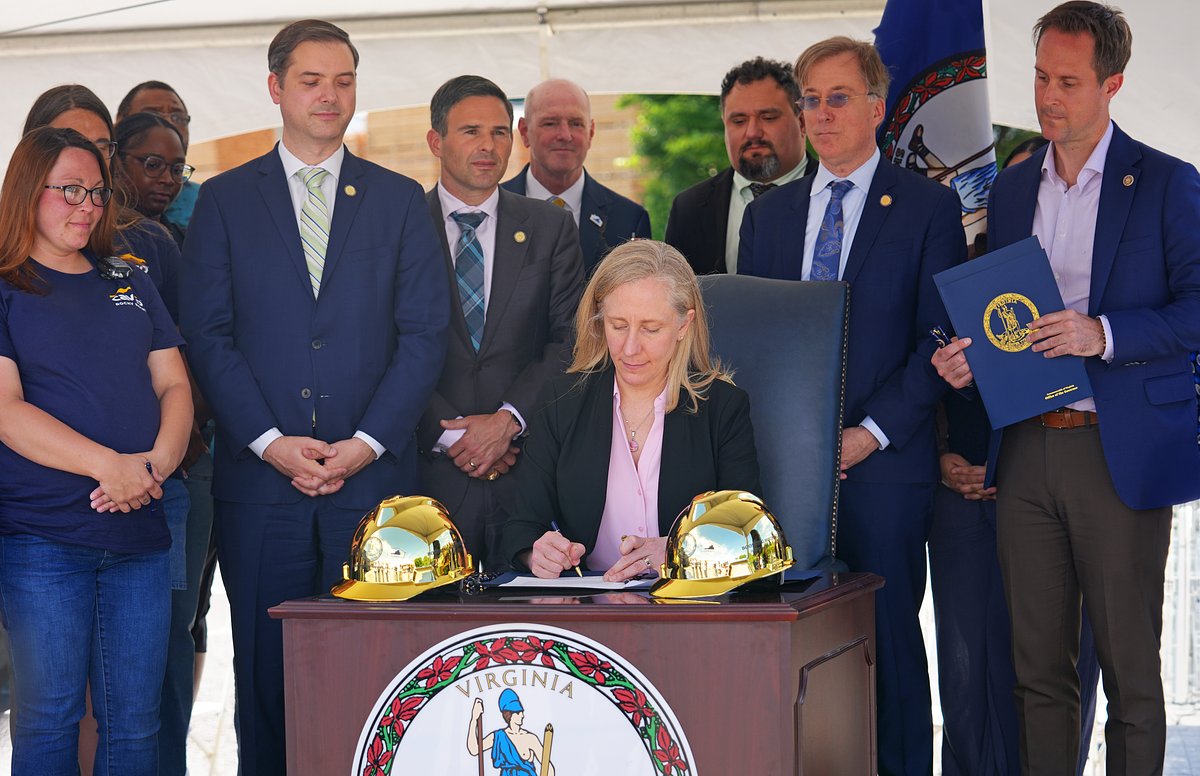
While the market remains captivated by the volatile swings of tech and the specter of AI fatigue, a powerful undercurrent is reshaping a sector far more tangible: housing. Yesterday, in a move that signals a profound shift in the American investment landscape, Virginia Governor Abigail Spanberger signed two bipartisan bills at a Cavco Industries production facility. On the surface, this was a ceremony about affordable housing. For those watching the catalysts that drive market momentum, it was something more: the unlocking of a dormant asset class.
The legislation, House Bill 655 and Senate Bill 346, effectively dismantles decades of restrictive zoning that has sidelined manufactured homes. By mandating that these homes be treated the same as their site-built counterparts, Virginia’s government has fired a starting pistol for an industry poised for significant growth. The immediate beneficiary, Cavco Industries (Nasdaq: CVCO), which hosted the event, is just one piece of a much larger puzzle. The real story is how this state-level deregulation provides a potential template for the nation, creating a compelling new narrative for value investors.
The Legislative Catalyst
For years, the primary obstacle to scaling manufactured housing wasn't quality or demand, but a web of local ordinances rooted in outdated perceptions. The new Virginia laws, effective July 1, 2026, cut through this red tape with surgical precision. The legislation prohibits localities from applying different or more restrictive zoning rules to manufactured homes than to comparable site-built homes. This means that if a single-family home can be built in a residential zone, a qualifying new manufactured home can be placed there as well.
This is not a minor tweak. It represents a fundamental transfer of power, overriding local prejudices that have historically relegated factory-built homes to designated parks or less desirable agricultural zones. The law's intent, as one legislative patron emphasized, is to ensure Virginians have access to the market's lowest price-point homes. By eliminating discriminatory zoning, the state is directly addressing its acknowledged 200,000-unit affordable housing shortage.
For investors, this legislative action serves as a powerful de-risking event. It removes the uncertainty and friction of navigating a patchwork of local approvals, creating a more predictable and scalable environment. The move by Virginia, a state with a diverse mix of urban and rural economies, could embolden other states facing similar housing crises to follow suit, multiplying the potential market size.
Tapping a $127,000 Home in a $395,000 Market
The economic case is staggering. In 2022, the median single-family home in Virginia sold for $395,000. In contrast, the average price of a new manufactured home was just $127,000. This gap represents a massive, underserved segment of the market. With nearly 30% of Virginia households already spending a burdensome amount of their income on housing, the demand for a more accessible on-ramp to homeownership is immense.
Until now, that demand has been artificially constrained. The new laws unleash it. Industry groups are already projecting significant growth, with an estimated 2,000 new manufactured homes expected to be built in Virginia by the end of 2026 alone. This is not just about building more houses; it's about introducing a more efficient and cost-effective production model into the mainstream. Factory-built housing avoids weather delays, reduces material waste, and leverages economies of scale—advantages that traditional construction struggles to match.
Financial institutions are also aligning to support this shift. Virginia Housing, the state's housing finance agency, is expanding financing for manufactured homes, offering programs with no pricing difference compared to site-built housing, provided the home is on a permanent foundation. This alignment of legislative, industrial, and financial support creates a powerful trifecta for market expansion.
From Stigma to Strategy: The New Face of Factory-Built Homes
The most significant headwind for this sector has always been perception. The term “mobile home” conjures images of pre-1976 “trailers” in poorly maintained parks. This picture is now dangerously obsolete. Today’s manufactured homes are built to stringent federal HUD Code standards for safety, quality, and durability. Aesthetically, many are indistinguishable from site-built homes, offering modern designs, energy-efficient features, and customizable floor plans.
This evolution is finally being recognized. A 2022 Freddie Mac survey revealed that 77% of individuals familiar with modern manufactured homes hold a positive view, a stark reversal from past attitudes. As younger, price-conscious buyers enter the market, they are proving far more open to housing solutions that deliver value, regardless of construction method.
"This legislation accomplishes something meaningful for the people of Virginia – boosting housing supply, expanding where manufactured homes can be placed and creating more pathways for families into affordable homeownership," said Wade Wells, Cavco Regional Vice President. His comment underscores the industry's own focus on reframing its image around quality and accessibility.
The why behind the buy, in this case, is a bet on the closing of this perception gap. As more of these high-quality, affordable homes appear in mainstream residential neighborhoods, the outdated stigma will erode, further accelerating consumer acceptance and market demand. Virginia's new law is the policy lever that forces this process into motion.
The Ripple Effect: A Play on Value and Momentum
The ceremonial bill signing at Cavco's Rocky Mount facility was a masterstroke of corporate and political synergy. It positioned the company as a key partner in a major public policy solution. But the implications extend far beyond a single firm. This is a sector-wide catalyst.
For investors seeking to stay ahead of the curve, the Virginia legislation is a critical data point. It represents a shift from viewing housing solely through the lens of interest rates and existing home sales to understanding the disruptive potential of new technologies and regulatory reforms. The companies that can efficiently produce and deploy factory-built homes—like Cavco and its competitors—are now positioned at the forefront of a major market realignment.
This isn't just an affordable housing story; it's a story about the re-emergence of value in tangible assets. In a market often chasing ephemeral digital trends, the opportunity to invest in the fundamental need for shelter, unlocked by smart policy, offers a compelling proposition. Virginia has provided the playbook; the question now is how quickly the rest of the market will learn to read it.