
- 23-year high in winter energy consumption in 2023, straining aging electrical infrastructure.
- $2,000–$4,000 typical cost for electrical panel upgrades in Vancouver.
- 50% to 97% return on investment for electrical upgrades in property value.
Experts agree that upgrading aging electrical infrastructure is critical to ensure safety, compliance with modern codes, and preparedness for increasing power demands from electric vehicles and energy-efficient technologies.
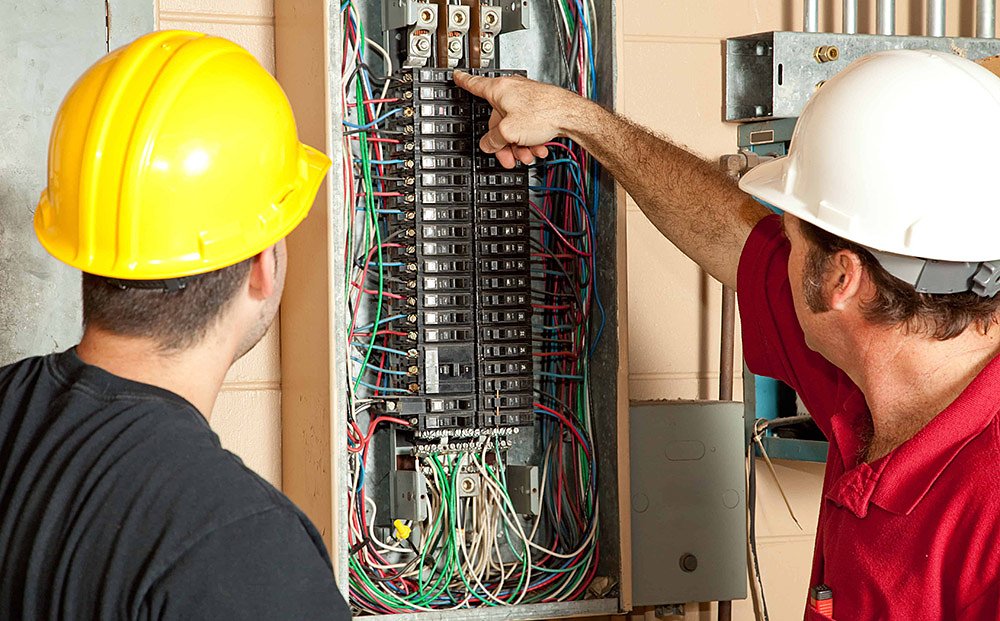
Vancouver's Hidden Danger: Aging Wires Strain Under Modern Demands
VANCOUVER, WA – May 08, 2026 – A quiet but critical challenge is unfolding behind the walls of homes and businesses across Vancouver. As the region enthusiastically adopts electric vehicles, energy-efficient heat pumps, and a host of modern electronics, its aging electrical infrastructure is being pushed to the breaking point. Local experts, including NW Pacific Electric Co, are sounding the alarm: many properties built before 2000 are simply not equipped to handle the unprecedented power demands of the 21st century, creating a growing risk of equipment failure, fire, and financial liability.
The issue stems from a fundamental mismatch. The electrical panels and wiring installed in homes decades ago were designed for a different era, one with far fewer high-consumption devices. Today, the combination of population growth and technological advancement is placing immense strain on these legacy systems. Clark Public Utilities has noted a significant rise in energy use, with winter consumption hitting a 23-year high in 2023. This trend is forcing a reckoning for property owners who may be unaware of the risks lurking within their own homes.
The Overlooked Risks of Outdated Panels
For many homeowners, the electrical panel is an out-of-sight, out-of-mind utility. Yet, for properties with systems dating back to the 1970s or 80s, these panels can be a ticking time bomb. "We're seeing panels from the 1970s and 1980s still in service, struggling to handle modern appliances, let alone electric vehicle chargers or whole-home electrification systems," said Jess, Lead Electrician at NW Pacific Electric Co. "These outdated systems aren't just inefficient—they can become genuine safety concerns."
The danger is particularly acute with certain obsolete brands. Panels manufactured by Federal Pacific Electric (FPE) and Zinsco (Sylvania) are notorious in the electrical and insurance industries for critical design flaws. These panels have a documented history of circuit breakers failing to trip during an overcurrent or short-circuit event, which is their primary safety function. When a breaker fails to trip, the circuit can overheat, melt wires, and ignite a fire.
Insurance companies have taken notice. Many carriers now refuse to write new homeowner policies for properties with FPE or Zinsco panels. Existing policyholders are often given a stark ultimatum: replace the hazardous panel within a short timeframe, typically 30 days, or face non-renewal of their coverage. This trend is not limited to just these brands, as insurers are increasingly scrutinizing any electrical system that appears outdated or insufficient for a property's needs.
Electrification and Evolving Safety Codes
The push for electrical upgrades is not just about mitigating old risks; it's about preparing for a new energy future. The transition to a more electrified society is well underway in the Pacific Northwest, but safely integrating technologies like EV chargers, heat pumps, and solar panels requires a robust electrical foundation. A standard 100-amp service, common in older homes, is often insufficient to power these devices alongside everyday appliances, leading to overloaded circuits and potential hazards.
At the same time, national safety standards are becoming more stringent. The National Electrical Code (NEC), which Washington State adopts, is updated every three years to incorporate the latest safety technologies. Recent editions have dramatically expanded the requirements for two key safety devices:
- Ground-Fault Circuit Interrupters (GFCIs): These devices protect people from electric shock. The 2023 NEC now requires GFCI protection for all 125-250V receptacles in kitchens, regardless of their proximity to a sink, as well as in bathrooms, garages, basements, and outdoor areas.
- Arc-Fault Circuit Interrupters (AFCIs): These breakers are designed to detect dangerous electrical arcs—a common cause of electrical fires—and shut off the power before a fire can start. AFCI requirements have been steadily expanded to cover nearly all living areas in new homes.
Older electrical panels cannot accommodate these modern safety devices, leaving homes without these critical layers of protection and rendering them non-compliant with current codes, a major issue during a property sale or renovation. Furthermore, the 2020 NEC introduced a mandate for whole-home surge protection in all new dwelling units, safeguarding the growing number of sensitive electronics and smart devices from power fluctuations.
An Investment in Value, Safety, and Efficiency
While the prospect of a major electrical overhaul can seem daunting, experts frame it as a strategic investment with a multi-faceted return. The cost for a panel upgrade in the Vancouver area typically ranges from $2,000 to $4,000, with more comprehensive service upgrades potentially costing more. However, this upfront expense yields significant long-term benefits.
First and foremost is safety and peace of mind. A modern electrical system dramatically reduces the risk of electrical fires and ensures a home is compliant with current codes and insurable. Second, it is an investment in property value. Real estate professionals recognize that a modern, robust electrical system is a key selling point, especially for buyers who plan to own an EV or want a home that is "future-ready." Studies have shown that electrical upgrades can yield a return on investment of 50% to nearly 97%.
Finally, there are tangible energy savings. While a panel itself does not consume much power, an outdated, inefficient system with poor connections and overloaded circuits can waste energy and drive up utility bills. Upgrades to modern, efficient panels can reduce energy consumption by 15 to 30 percent. This efficiency is further recognized by federal incentives, such as the Inflation Reduction Act, which offers tax credits of up to $600 for panel upgrades that enable the installation of other energy-efficient technologies. For homeowners in Vancouver, upgrading their electrical service is becoming less of an option and more of a necessity for safe, efficient, and modern living.