
- 97 maternal deaths per 100,000 live births in Pennsylvania (2021)
- Black mothers die at nearly 3x the rate of white counterparts
- $4.9 million allocated for maternal mortality prevention (2023-2026)
Experts agree that Pennsylvania's coordinated, cross-sector approach—centering lived experiences and targeting systemic inequities—is essential to improving maternal health outcomes and making the state the safest place to give birth.
United for Mothers: PA Tackles Maternal Health Crisis with New Alliance
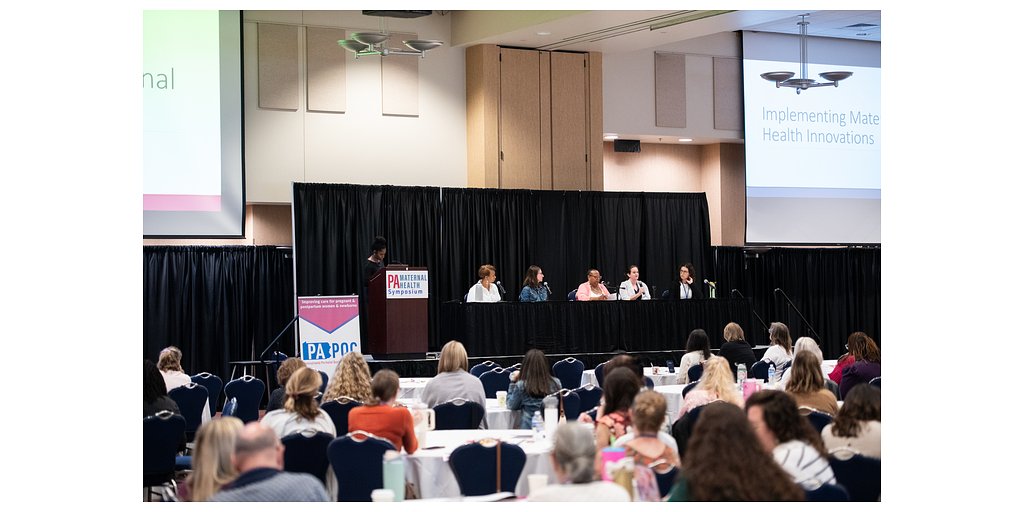
ALTOONA, PA – May 21, 2026 – Faced with a worsening maternal health crisis where nearly all pregnancy-related deaths are considered preventable, Pennsylvania is mobilizing a new, unified front. This week, a first-of-its-kind statewide symposium brought together more than 180 leaders from healthcare, government, and community advocacy, signaling a shift from siloed efforts to a coordinated, cross-sector movement aimed at making the Commonwealth the safest place in the nation to give birth.
The inaugural Pennsylvania Maternal Health Symposium, held May 19-20, served as a crucial launchpad for implementing the state's ambitious new strategic plan, "Healthy Moms, Vibrant Futures." The gathering in Altoona was not just a conference, but a council of war against grim statistics: in 2021, Pennsylvania saw 97 maternal deaths for every 100,000 live births, with Black mothers dying at a rate nearly three times that of their white counterparts.
A Coordinated Movement for Change
The symposium, hosted by a coalition including the Pennsylvania Perinatal Quality Collaborative (PA PQC) and the Jewish Healthcare Foundation (JHF), underscored a fundamental new strategy: collaboration. For years, disparate groups have worked on pieces of the puzzle, but the complexity of the problem—spanning from urban-rural care gaps to systemic racism—demands a united approach.
“This symposium represents a major milestone for maternal health collaboration in Pennsylvania,” said Robert Ferguson, MPH, chief policy officer of the Jewish Healthcare Foundation. “The challenges facing mothers and babies are too complex for any one organization or sector to solve alone. By bringing together healthcare systems, community organizations, public health leaders, policymakers, and families with lived experience, Pennsylvania is building a coordinated movement for safer, more equitable maternal care.”
This sentiment was echoed by top state officials. The Shapiro Administration has made maternal health a priority, securing $2.3 million in the 2023-2024 budget and an additional $2.6 million for the following year for maternal mortality prevention. “To ensure Pennsylvania is the safest place to give birth in the nation, we must continue to foster the robust collaborations and innovative partnerships being showcased at this symposium,” said Pennsylvania Department of Health Executive Deputy Secretary Kristen Rodack, referencing the state's new Maternal Health Strategic Action Plan.
Dr. Val Arkoosh, Secretary of the Pennsylvania Department of Human Services, reinforced the need for systemic partnership. “Improving maternal health requires close collaboration and partnership across systems – no one provider can do this alone, but when we work together, we can make necessary change that can give moms and their children a vibrant future,” she stated.
From Statistics to Stories: Centering Lived Experience
A central theme of the symposium was the deliberate shift to place the voices of mothers and families at the heart of policymaking. In a powerful session titled “Understanding the Fourth Trimester Through Lived Experience,” mothers shared personal stories that illuminated the gaps in care that statistics alone cannot capture. Their experiences with postpartum complications, communication breakdowns, and the struggle to navigate support systems provided a raw, human-centric dataset for the experts and policymakers in the room.
“Listening to and learning from mothers must remain at the center of our maternal health efforts,” said Carolyn Byrnes, MPH, policy director at the Jewish Healthcare Foundation and manager of the Pennsylvania Perinatal Action Collaborative. “The lived experience perspectives shared during this symposium reinforced the importance of designing systems that truly support families throughout pregnancy, birth, and the postpartum period.”
This focus is critical in addressing the stark racial inequities in outcomes. Experts have long pointed out that the disproportionately high mortality rate for Black mothers is a result of systemic factors like implicit bias and socioeconomic conditions, not biology. By centering these lived experiences, the state hopes to design solutions that address these root causes, aligning with the strategic plan's core tenet of equity.
Targeting the 'Fourth Trimester' with Proven Tools
One of the most concrete initiatives discussed at the symposium is a statewide push to improve care during the often-overlooked postpartum period, or the “fourth trimester.” This 12-week period after birth is a time of high risk, with mental health conditions, including substance use disorders, now being the leading cause of pregnancy-related deaths in Pennsylvania.
To address this, the PA PQC is rolling out the Alliance for Innovation on Maternal Health (AIM) Patient Safety Bundle focused on postpartum discharge transitions. This isn't just another guideline; it's a detailed, evidence-based toolkit designed to standardize and improve the process. Key components include:
- Readiness: Ensuring hospitals have multidisciplinary teams ready to provide trauma-informed care.
- Recognition: Screening every patient for postpartum physical and mental health risk factors before they leave the hospital and scheduling follow-up appointments immediately.
- Response: Providing standardized, clear education on warning signs for life-threatening complications and ensuring patients leave with a summary of their care.
- Reporting: Tracking data on follow-up visit completion, broken down by race and ethnicity, to identify and close equity gaps.
This structured approach aims to prevent mothers from falling through the cracks after delivery, ensuring a warm handoff from the hospital to community and primary care providers.
Confronting a Statewide Crisis
The urgency driving these collaborative efforts is rooted in daunting data. Beyond the high mortality rates, Pennsylvania grapples with a severe maternal morbidity rate of 109.9 per 10,000 deliveries, representing life-threatening complications that can have lifelong consequences. Furthermore, access to care remains a significant barrier. Over 12% of women in the state live more than 30 minutes from a birthing facility, and entire counties are classified as “maternity care deserts.”
In recognition of the providers on the front lines of this crisis, the symposium also honored 55 hospitals with Perinatal Quality Improvement Designation Awards. These awards celebrate facilities that have made significant strides in advancing maternal and neonatal health, including projects focused on health equity and patient voice. The list of awardees spans the entire Commonwealth, from large academic medical centers in Philadelphia and Pittsburgh to smaller regional hospitals, highlighting the widespread commitment to improvement.
With a comprehensive strategic plan in place, significant state and foundational funding secured, and a new spirit of collaboration uniting stakeholders, Pennsylvania's leaders are hopeful they can reverse the devastating trends. The work ahead is immense, but the inaugural symposium has laid a foundation of shared purpose, transforming a collection of individual efforts into a statewide alliance forcé for change.