
- 15% expansion: Tulsa's expansive clay soil can expand up to 15% in volume during heavy rain, exacerbating slab leaks.
- 45% of homes: Nearly 45% of Tulsa's housing units were built before 1970, with aging plumbing systems prone to failure.
- $2,500–$22,000: Repair costs for slab leaks can range widely, from $2,500 to $22,000 depending on severity.
Experts agree that Tulsa's unique geology and aging infrastructure create a high-risk environment for slab leaks, requiring proactive homeowner education and immediate professional intervention to mitigate costly damage.
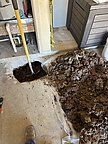
Tulsa's Hidden Threat: Why Shifting Soil Fuels Costly Home Repairs
TULSA, OK – June 11, 2026 – As summer temperatures begin their relentless climb across northeastern Oklahoma, a seemingly invisible threat is gaining new urgency for thousands of area homeowners. A water line break occurring beneath a home’s concrete foundation—known as a slab leak—can silently cause catastrophic structural damage and financial strain. In a strategic move to preempt this seasonal risk, Broken Arrow-based Spot On Plumbing has launched a customer education initiative, signaling a broader business trend toward proactive consumer engagement on complex, high-stakes home maintenance issues.
The campaign highlights a problem deeply embedded in the region’s very ground. Left unchecked, these hidden leaks can lead to eroded foundations, warped floors, pervasive mold, and repair bills that can spiral into the tens of thousands of dollars, transforming a homeowner’s largest asset into a significant liability.
A Foundation Under Pressure: Why Tulsa is a Hotbed for Slab Leaks
The heightened risk for Tulsa-area properties is not a matter of chance, but a convergence of geology and history. The primary culprit is Oklahoma's infamous expansive clay soil. Geological surveys identify the local soil as part of the "Dennis-Okemah clay association," characterized by a high shrink-swell capacity. This soil acts like a sponge, expanding up to 15% in volume during periods of heavy rain and contracting dramatically during the state’s notoriously hot, dry summers. This constant, powerful movement exerts immense stress on concrete foundations and the plumbing lines buried beneath them, creating an environment ripe for cracks and failures.
Compounding this geological pressure is the age of the region’s housing stock. With an average home construction year of 1984 and nearly 45% of its housing units built before 1970, Tulsa is filled with homes whose plumbing systems are reaching the end of their functional lifespan. Many houses built from the 1960s through the 1980s were constructed with copper or galvanized steel pipes. While durable for their time, these materials are now decades old and increasingly prone to corrosion and pinhole leaks. Galvanized steel pipes, with a life expectancy of 40 to 50 years, are now well past their prime, while even aging copper can fail under the combined strain of soil movement and fluctuating water pressure.
"Slab leaks are among the most serious, and most misunderstood, plumbing issues affecting Oklahoma homeowners," Spot On Plumbing stated in its campaign announcement. "Because the leak is hidden beneath a concrete slab, damage accumulates long before most people realize there's a problem. The goal of this campaign is simple: to give homeowners the knowledge to catch it early."
Reading the Warning Signs Before Disaster Strikes
For most homeowners, the first indication of a slab leak is not a visible puddle, but a subtle change that is easy to dismiss. The educational initiative focuses on three critical warning signs that experts across the industry agree are primary indicators of a sub-slab plumbing failure.
First is an unexplained spike in water bills. A sudden or gradual increase of 15% or more without a corresponding change in household usage often signals a continuous leak. As water escapes 24/7, the meter keeps running, quietly adding to the monthly utility cost.
Second, homeowners should be alert for warm, damp, or soft spots on their floors. When a hot water line fails, the heat can radiate upward through the concrete, creating an isolated warm patch on tile or wood. Damp carpets or warped floorboards are more advanced signs that water has been accumulating for some time.
Third is the faint but persistent sound of running water when all faucets and appliances are turned off. This hissing or rushing noise often indicates a pressurized pipe has been compromised. A simple check of the home's water meter—if the flow indicator is moving despite all water being off—can confirm a leak is present somewhere in the system.
Other plumbing professionals note additional signs, including a sudden drop in water pressure, the appearance of new cracks in walls or flooring as the foundation shifts, and the smell of mold or mildew as moisture builds up in hidden spaces.
A Strategic Shift Toward Proactive Homeowner Education
The move by Spot On Plumbing, a Better Business Bureau-accredited company founded in 2017, represents a key strategic shift in the service industry. Rather than waiting for emergency calls, the company is positioning itself as an educational resource, building trust and brand authority by empowering consumers. This approach helps homeowners mitigate damage while establishing the company as a go-to expert in a competitive market that includes numerous local and regional players.
Should a homeowner suspect a leak, the consensus advice is to contact a licensed plumber immediately. Modern professional practice has moved beyond destructive guesswork. Plumbers now use an arsenal of non-invasive technologies, including electronic listening devices to pinpoint the sound of escaping water, thermal imaging cameras to detect heat from hot water leaks, and pressure testing to confirm the integrity of the plumbing lines. This allows for precise location of the failure, minimizing the need to break up large sections of the foundation and flooring.
Delaying action is the most common and costly mistake. One Tulsa homeowner reported receiving repair estimates that ranged from a manageable $2,500 to a staggering $22,000, illustrating the financial volatility depending on the leak's severity and the extent of the damage.
The Financial Aftermath and Navigating the Insurance Maze
The financial fallout from a slab leak extends far beyond the plumbing bill. While the initial detection can cost between $400 and $1,400, the complete repair—which may involve spot repairs, rerouting pipes, or a full home re-plumbing—can range from under $2,000 to over $15,000. This does not include the secondary costs of restoring damaged floors, replacing cabinets, remediating mold, or, in the worst cases, repairing the foundation itself.
Navigating homeowner's insurance for these events adds another layer of complexity. According to the Oklahoma Insurance Department and industry experts, most standard policies in the state draw a critical distinction: they will often cover the damage caused by a sudden and accidental water leak, but not the cost of repairing the faulty pipe itself. The pipe is typically considered a maintenance issue. Coverage may include the cost to tear out and replace the slab to access the leak and repair the resulting water damage to flooring and walls. However, if a leak is determined to be a slow, long-term issue that resulted from poor maintenance, a claim could be denied. Promptly reporting a suspected leak is therefore essential for homeowners hoping to leverage their policy.
For residents in the Tulsa metro, the convergence of environmental factors and aging infrastructure makes vigilance a necessary part of homeownership. Understanding the risks and recognizing the early warnings are the most effective strategies to protect a home from the silent and costly damage that can unfold just beneath the surface.