
- 6,000+ attendees at the premiere of the BLUE LOCK – TOKYO EGOIST projection mapping show
- 14,000-square-meter screen transforming the Tokyo Metropolitan Government Building
- 7.5% of international visitors to Japan in 2023 were drawn to anime-related sites, up from 4.6% in 2019
Experts agree that Tokyo's fusion of cutting-edge technology with globally recognized anime IP represents a groundbreaking strategy to boost urban tourism, setting a new standard for sustainable, culturally driven attractions.
Tokyo's Anime Gambit: Illuminating a New Era of Urban Tourism
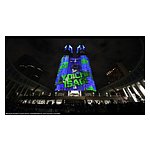
TOKYO, JAPAN – November 25, 2025 – The imposing façade of the Tokyo Metropolitan Government Building, a symbol of civic power, has become an unlikely canvas for one of Japan's most explosive cultural exports. On a recent Saturday evening, a crowd of over 6,000 fans, tourists, and families gathered in the Nishi-Shinjuku plaza, their faces upturned. As a countdown boomed, the 48-story tower dissolved into a colossal soccer pitch of light and sound. Characters from the wildly popular anime BLUE LOCK sprinted, battled, and unleashed signature moves across a 14,000-square-meter screen, transforming the urban landscape into a stadium of pure spectacle.
This event, the premiere of the BLUE LOCK – TOKYO EGOIST – projection mapping show, is more than just a dazzling light display. It represents a masterstroke in a much larger, multi-billion yen strategy by the Tokyo Metropolitan Government to fundamentally reshape its tourism landscape and conquer the night. By fusing cutting-edge technology with globally recognized intellectual property, Tokyo is writing a new playbook for how cities can innovate, compete for tourist dollars, and build attractions that are not only spectacular but also sustainable.
The Grand Strategy: Illuminating Tokyo's Night Economy
The BLUE LOCK show is the latest feature of a permanent, year-round initiative called “TOKYO Night & Light.” Launched in early 2024, the project’s ambition is codified by a Guinness World Record: the “Largest architectural projection-mapped display (permanent).” This isn't a temporary festival; it's a permanent fixture in the city's infrastructure, a strategic investment designed to solve a persistent challenge for many global cities: activating the night.
For years, Tokyo has sought to bolster its “night economy,” encouraging visitors and residents to engage with the city after dark. While districts like Shibuya and Roppongi offer a vibrant nightlife, the government identified a need for new, landmark attractions that could serve as powerful draws. This led to initiatives like the “Nightlife Tourism Promotion Grant,” which has funneled billions of yen into supporting nighttime events and activities. The projection mapping project is the crown jewel of this strategy.
By turning a government building into a dynamic entertainment hub, the city is creating a free, accessible, and high-impact experience. The project is a calculated move to diversify Tokyo's tourism portfolio, offering an attraction that leverages the city's existing architectural assets in a novel way. The rotating schedule of content, which has previously featured icons like Godzilla and Pac-Man, demonstrates an adaptive business model designed to maintain novelty and cater to a wide range of interests, ensuring the attraction remains a fresh and repeatable experience for both tourists and locals.
The Power of IP: Anime as a Global Tourist Magnet
The decision to feature BLUE LOCK—a soccer manga and anime series with over 50 million copies in circulation worldwide—is a testament to the immense economic power of Japanese pop culture. This isn't just about celebrating a local creation; it's about harnessing a global phenomenon to drive tourism. The strategy taps directly into the growing trend of “anime tourism,” or seichi junrei (“holy land pilgrimage”), where fans travel across the globe to visit real-life locations featured in or connected to their favorite series.
Data from the Japan Tourism Agency reveals a sharp increase in this behavior, with the percentage of international visitors drawn to anime-related sites climbing from 4.6% in 2019 to 7.5% in 2023. This trend is a powerful engine for local economies, and Tokyo is placing a significant bet on its ability to convert media consumption into physical foot traffic. By transforming the Metropolitan Government Building into a real-world stage for BLUE LOCK's intense on-field battles, the city creates an irresistible pilgrimage site for the franchise's massive global fanbase.
This fusion of intellectual property and urban infrastructure aligns perfectly with Japan's long-standing “Cool Japan” initiative, a national strategy to leverage the country's cultural industries as a form of soft power. It demonstrates a sophisticated understanding of modern consumer behavior, where the line between digital entertainment and physical experience is increasingly blurred. Fans no longer just watch the story; they want to inhabit it. The TOKYO EGOIST show offers them that chance on an unprecedented scale.
Sustainable Spectacle: The Green Future of Urban Entertainment
Perhaps the most forward-thinking aspect of the “TOKYO Night & Light” project is its foundational commitment to environmental sustainability. Powering a permanent, 14,000-square-meter light show that runs daily requires a tremendous amount of energy. In a bold move, the Tokyo Metropolitan Government has mandated that the project run on green energy, with electricity primarily generated from solar power.
This commitment addresses a critical challenge for large-scale urban entertainment: its environmental footprint. By integrating renewable energy from the outset, Tokyo is setting a new standard for responsible urban development and public attractions. It sends a powerful message that spectacle and sustainability are not mutually exclusive. For the modern, eco-conscious traveler, this detail adds another layer of appeal, positioning Tokyo as a city that innovates not just in technology and culture, but also in environmental stewardship.
This green approach provides a blueprint for other cities looking to develop similar attractions. As municipalities worldwide grapple with the need to create vibrant public spaces while adhering to climate goals, Tokyo’s project serves as a compelling case study in how to achieve both. It proves that the future of business and tourism can be both bright and green.
The Visitor Experience and the Future of Engagement
The project's success ultimately hinges on the visitor experience, and early indicators are overwhelmingly positive. The opening night for the BLUE LOCK show was a triumph, with thousands of attendees, some wearing light-up bracelets, creating a palpable sense of community. Voice actors from the series, Kazuki Ura and Hiroshi Kamiya, were present to hype the crowd, further blurring the line between the anime world and reality. Ura described the experience as “absolutely breathtaking,” noting how the projection mapping brought the show’s charm to life in a powerful new way. Kamiya encouraged repeat viewings, hinting at the visual density of the production: “it is impossible to catch all the details in just one viewing.”
Since its debut in February 2024, the “TOKYO Night & Light” attraction has drawn hundreds of thousands of visitors, validating the city's investment. The initial feedback, which noted some technical growing pains, has been met with an evolving and increasingly sophisticated content strategy. The addition of a powerhouse franchise like BLUE LOCK demonstrates a responsive approach to public demand and a keen awareness of what drives cultural excitement.
By transforming a static piece of architecture into a dynamic storytelling platform, Tokyo is pioneering a new form of civic engagement and entertainment. It is a powerful demonstration of how a city can leverage its unique assets—from its architectural icons to its cultural exports—to create unforgettable experiences that resonate with a global audience and define its identity in the 21st century.