
- 1.5 million attendees in 2024, nearly double the previous year's attendance
- 9 iconic districts participating in the city-wide program
- 100 vendors at the inaugural 'Tokyo Vintage Fashion Week'
Experts view TOKYO CREATIVE SALON 2026 as a groundbreaking fusion of sustainability, urban creativity, and cultural preservation, reinforcing Tokyo's global leadership in design innovation.
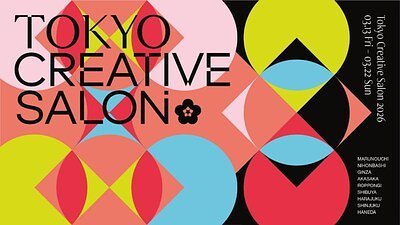
Tokyo Creative Salon 2026 to Unveil 'FUTURE VINTAGE' City-Wide
By Carol Moore
TOKYO, JAPAN – February 11, 2026 – Tokyo is set to transform its sprawling urban landscape into a living gallery this March with the return of the TOKYO CREATIVE SALON (TCS). Organizers today announced the 2026 edition, centered on the theme 'FUTURE VINTAGE,' will feature an expanded city-wide program, a new vintage fashion week, and a deep dive into the city's influence on textile arts, reinforcing Tokyo's status as a preeminent global hub for design and culture.
Running from March 13 to March 15, 2026, the festival aims to weave creativity into the very fabric of the metropolis, inviting residents and international visitors alike to encounter art, fashion, and design across nine of the city's most iconic districts.
A Festival Woven into the Urban Fabric
At the core of TCS2026 is its ambitious 'City Wide Program,' which moves beyond conventional exhibition halls to embed installations and events directly into the streetscape. From the high-fashion avenues of Ginza to the vibrant youth culture of Shibuya, each of the nine participating areas will showcase creative expressions that reflect its unique history and identity. The approach encourages a mode of discovery, urging attendees to walk between districts and experience Tokyo's multifaceted character through exploration.
Now entering its seventh year, TOKYO CREATIVE SALON has evolved dramatically from its digital-only debut in 2020. The festival has become a cornerstone of Japan's cultural calendar, with its 2024 edition attracting an estimated 1.5 million people, nearly double the previous year's attendance. This growth underscores the event's success in taking an egalitarian approach to creativity, making it accessible to a broad public audience. The free-to-attend model further solidifies its role in cementing Tokyo's reputation, which has been ranked as the world's second most creative city for two consecutive years.
By transforming the city itself into the main stage, TCS challenges the traditional, centralized festival model. It proposes that creativity is not confined to galleries but is a living, breathing part of the urban experience, found in unexpected corners and everyday encounters.
'FUTURE VINTAGE': A Philosophy for Sustainable Style
The guiding concept for 2026, 'FUTURE VINTAGE,' taps into a powerful global current, exploring how the aesthetics and craftsmanship of the past can inform a more sustainable and meaningful future. The theme champions the idea that items with history—from clothing to cultural practices—can be reinterpreted to create new, lasting value.
This philosophy will be brought to life through the inaugural 'Tokyo Vintage Fashion Week,' a major new addition to the festival's official program. Held at the Shinjuku Sumitomo Building's Triangle Plaza, the three-day event will feature a sprawling market with approximately 100 vendors, offering a curated selection of vintage clothing and goods. A centerpiece fashion show will highlight how designers and stylists are reinterpreting the stories and contexts embedded in vintage pieces, demonstrating their relevance for contemporary wardrobes.
The focus on vintage is both a creative and an ethical statement. "Vintage fashion is an antidote to the disposable, fleeting nature of fast fashion," noted one industry analyst. "It encourages an appreciation for quality, craftsmanship, and individuality, which are key components of a more sustainable consumption model." The global market for second-hand apparel has been growing three times faster than the overall fashion industry, driven by a new generation of consumers seeking both unique style and environmental consciousness. 'FUTURE VINTAGE' is not about mere replication of past styles; it's a forward-looking dialogue between eras, blending timeless design with modern sensibilities.
Spotlight on Craft: Tokyo's Influence on Global Textiles
Further exploring the festival's core theme, a special focus exhibition titled 'Tokyo Trace' will examine how the city itself leaves an indelible mark on creative expression. The inaugural edition will spotlight NOMARHYTHM TEXTILE, a globally recognized Japanese brand that has consistently pushed the boundaries of textile design.
Founded in 2005 as NOMA t.d. by Masako Noguchi and Takuma Sasaki, the brand recently celebrated its 20th anniversary and adopted its new name to explicitly center its identity around textile innovation. Known for intricate, hand-drawn patterns and a blend of traditional techniques with contemporary aesthetics, NOMARHYTHM TEXTILE has cultivated a following from London to New York. The 'Tokyo Trace' exhibition will delve into how the duo's urban environment shapes their creative process.
A poignant example of this influence emerged during the pandemic in 2020. While walking through the unusually quiet streets of their home city, the founders found renewed inspiration, leading to the creation of their iconic 'Draw Your Garden' floral motif. This pattern, inspired by vintage bandanas and the act of rediscovering one's immediate surroundings, has become a signature for the brand. The exhibition promises to offer a unique window into how Tokyo's landscapes, encounters, and cultural layers are literally woven into the fabric of their acclaimed collections.
A Catalyst for Culture and Commerce
Beyond its artistic ambitions, TOKYO CREATIVE SALON 2026 is poised to deliver a significant economic and cultural boost to the city. By continuing its collaboration with the Mainichi Fashion Awards, one of Japan's most prestigious fashion honors founded in 1982, TCS strategically aligns itself with an institution that has shaped the nation's industry for over four decades. This partnership lends historical weight to the festival's contemporary focus, strengthening its international credibility and showcasing the depth of Japan's fashion ecosystem.
The event's timing, coinciding with the beginning of the world-famous cherry blossom season, is particularly strategic. In 2024, the economic impact of hanami (cherry blossom viewing) was estimated at over ¥1.1 trillion, fueled in part by a surge in foreign tourism. TCS2026 is set to capitalize on this influx, offering an additional layer of cultural attraction for international visitors. The decentralized 'City Wide Program' is designed to disperse this economic activity across multiple neighborhoods, benefiting a wide range of local retailers, restaurants, and small businesses.
With the Japanese yen remaining weak against other major currencies, Japan has become an increasingly attractive destination for shopping. Events like the 'Tokyo Vintage Fashion Week' are likely to draw significant interest from global buyers and fashion enthusiasts looking for unique, high-quality items. By fostering this blend of culture and commerce, TOKYO CREATIVE SALON serves as a powerful engine for Tokyo's cultural soft power, presenting the city not just as a place to visit, but as a dynamic, living archive of creativity where past, present, and future intersect.