
- 48% of Portsmouth households are renters, facing high risks from outdated housing stock and coastal storms.
- Average monthly rents exceed $2,300, with annual renters insurance costing as little as $7–$17 per month.
- Landlord policies do not cover tenant belongings—personal renters insurance is critical for financial protection.
Experts agree that renters in high-risk urban areas like Portsmouth must prioritize affordable renters insurance to safeguard against catastrophic losses, while businesses should adopt educational marketing strategies to build consumer trust.
The Unseen Risk: How a $15 Policy and New Media Models are Reshaping Urban Renting
PORTSMOUTH, NH – June 22, 2026
The paradox of living in a historically rich and economically vibrant city like Portsmouth is that the high cost of entry often leaves its residents financially exposed. With nearly half of all households renting and average monthly rents soaring past $2,300, tenants are pouring immense capital into a lifestyle, not an asset. Yet, a common and dangerous misconception persists: the belief that a landlord’s insurance policy provides a safety net. It does not.
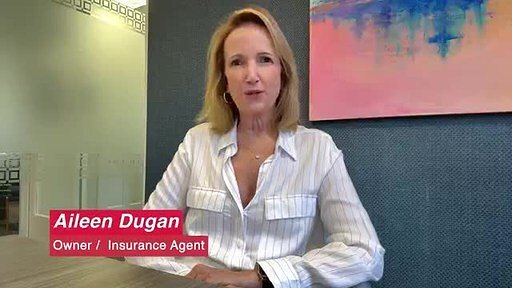
This critical knowledge gap is the focus of a recent educational campaign by the media platform HelloNation, which featured insurance expert Aileen Dugan to clarify the stakes. The initiative sheds light not only on a widely misunderstood consumer product but also on an innovative business strategy where education and advertising converge. As industries grapple with how to connect with consumers in a meaningful way, the simple case of renters insurance in a New England port city offers a powerful lesson in risk, responsibility, and the evolving nature of commercial communication.
The High Stakes of Renting in a Coastal City
Portsmouth is a renter’s city, with research showing that as of this year, approximately 48% of households are renter-occupied. These residents face a unique combination of risks. First, there's the housing stock itself. Over a third of the city's homes were built before 1939, and while these historic buildings offer undeniable charm, they can also harbor outdated wiring or plumbing, increasing the risk of fire or water damage that can spread rapidly in multi-unit structures.
Then there is the coastal environment. As a port city, Portsmouth is vulnerable to nor'easters and other severe storms that bring high winds and driving rain, threatening damage to both buildings and the property within them. While standard renters insurance doesn’t cover flooding, it is often the first line of defense against wind and storm-related damage to personal belongings.
It is in this context that the central point of Aileen Dugan’s message, highlighted in the HelloNation feature, becomes so potent. “Many renters in Portsmouth assume their landlord's insurance policy will cover personal belongings inside their apartment,” the press release states, summarizing Dugan's insights. “This is a common misconception.” A landlord’s policy is designed to protect their investment—the physical building. Your laptop, your furniture, your clothes, the thousands of dollars of possessions that make a space a home—are your own responsibility. In the event of a disaster, tenants without their own policy are left to rebuild their lives from scratch, a devastating prospect in a city with one of the region’s highest costs of living.
Beyond Fire and Theft: The Overlooked Lifelines of Modern Coverage
Most people associate renters insurance with catastrophic events like a fire destroying their possessions or a break-in resulting in stolen electronics. While that personal property coverage is the core of any policy, its most innovative and impactful features are often the ones renters know least about: additional living expenses and liability protection.
Consider the “loss of use” or “additional living expenses” (ALE) benefit. If a fire or severe water leak renders your apartment uninhabitable, this coverage pays for you to live elsewhere—covering hotel bills, a short-term rental, and even meal costs above your normal budget. In a hyper-competitive rental market like Portsmouth, where vacancy rates are exceptionally low, finding a new place to live can take weeks or months. Without ALE, a displaced renter faces the impossible choice of couch-surfing indefinitely or draining their savings on exorbitant temporary housing. This benefit isn't a luxury; it's a lifeline that provides stability in a crisis.
Equally critical is liability coverage. “It’s the part of the policy that protects you from a personal financial catastrophe,” noted one anonymous local insurance broker. “If a guest slips and falls in your kitchen, or your dog bites a visitor, the resulting lawsuit could easily reach six figures.” Renters insurance typically includes a baseline of $100,000 in liability protection, which helps cover legal fees and settlements. Research shows that upgrading this coverage to $500,000 can cost as little as an extra $10 per year—a negligible expense for an immense amount of financial security.
The 'Edvertising' Innovation: Content, Commerce, and Consumer Trust
The fact that these crucial benefits remain widely misunderstood points to a failure in communication, one that media company HelloNation is attempting to solve with its “edvertising” model. Describing itself as “America’s Good News Network,” the platform partners with experts to create content that is both educational and, implicitly, promotional. The article featuring Aileen Dugan is a case study in this strategy: it provides valuable, actionable advice to the public while simultaneously elevating the expert’s profile and, by extension, the insurance industry itself.
This approach, more broadly known as native advertising or sponsored content, represents a significant shift in business communication. As consumers grow more adept at tuning out traditional ads, companies are realizing that the most effective way to build trust is to provide value first. By funding content that educates people about real-world risks and solutions, they position themselves as helpful partners rather than just sellers.
However, this model walks a fine ethical line. “The line between an ad and an article has to be crystal clear, or you risk eroding the very trust you're trying to build,” warns one media ethics analyst. Professional guidelines from the Society of Professional Journalists stress the need to distinguish news from advertising and shun hybrids that blur the lines. For the 'edvertising' model to succeed long-term, transparency is non-negotiable. The audience must know who is funding the message. When done right, it creates a win-win-win: the media outlet is funded, the business connects with an engaged audience, and the consumer receives genuinely useful information.
A New Playbook for Risk and Resilience
The convergence of factors in Portsmouth—high rents, specific environmental risks, and a population with a knowledge gap—makes it a microcosm of a larger national trend. As urban living becomes more expensive and precarious, tools that build financial resilience are no longer optional.
The ultimate takeaway for renters is starkly clear. With average annual costs in New Hampshire ranging from just $89 to $206, or about $7 to $17 per month, renters insurance represents one of the most compelling cost-benefit propositions in personal finance. It is an incredibly small, predictable expense that shields against unpredictable, life-altering losses.
For businesses, the lesson is about the power of education. In fields like insurance, finance, and healthcare, where products are complex and consumer understanding is low, the future of marketing is teaching. The HelloNation strategy demonstrates a playbook that other industries can follow: lead with expertise, solve a real problem for your audience, and build a commercial relationship on a foundation of trust and tangible value. In the 21st-century marketplace, the most innovative businesses will be the ones that empower their customers to be smarter and safer.