
- 92% of Australians consider themselves “sun safe,” but 70% mistakenly believe they are protected from the sun while inside a vehicle.
- 39% of Australians incorrectly believe car windows block all harmful UV rays.
- 65% of Australians only adjust their sun protection habits based on the season.
Experts emphasize that UV exposure in vehicles causes cumulative skin damage, including melanoma risk, due to unblocked UVA rays through side windows, and stress the need for year-round sun protection measures.
The Sunburnt Car: Unmasking the Hidden UV Danger Behind the Wheel
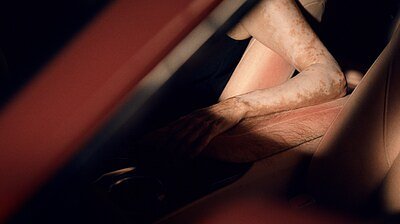
SYDNEY, Australia – March 31, 2026 – Parked against the iconic backdrop of Sydney’s Circular Quay is a car unlike any other. Its interior isn’t leather or cloth, but a disturbingly realistic synthetic “human skin” that visibly reddens and “burns” under the sun. This is ‘The Sunburnt Car,’ a confronting new installation designed to expose a dangerous and widespread blind spot in Australian sun safety: the driver’s seat.
Launched by mycar Tyre & Auto, the campaign is backed by new research revealing a stark disconnect in public perception. While 92% of Australians consider themselves “sun safe,” a staggering 70% mistakenly believe they are protected from the sun while inside a vehicle. The initiative aims to shatter this illusion, demonstrating in visceral detail how daily commutes and road trips contribute to cumulative, long-term skin damage, a critical issue in a nation with the world’s highest melanoma rates.
The Science of the ‘Driver’s Tan’
The common belief that glass provides a safe barrier from the sun is a dangerous half-truth. Medical experts and dermatologists have long observed what is colloquially known as the “driver’s tan,” a phenomenon where individuals show significantly more sun damage, premature aging, and even skin cancers on the side of their body habitually exposed to a car’s side window.
The science behind this is clear. While front windshields are typically made of laminated glass that blocks about 96% of harmful UVA rays, side and rear windows are often made of tempered glass. This tempered glass, while effective at blocking most UVB rays (the kind that cause visible sunburn), allows a significant portion of UVA radiation to penetrate the cabin. It is these UVA rays that delve deeper into the skin, causing DNA damage that contributes to photo-aging and melanoma.
“Many Australians don’t realise that UV exposure in the car creates damage over time,” said Dr. Joanneke Maitz, a surgeon-scientist in Burns and Reconstructive Surgery at Concord Hospital, who informed the project’s scientific basis. “Damage to your skin can happen without the visible effects of burning. This experiment is an important reminder to drivers and their passengers to understand the risk and protect themselves.”
Dr. Maitz’s point is crucial: because drivers don’t get a visible sunburn, they are lulled into a false sense of security while their skin is still accumulating damage. The mycar research underscores this, finding that 39% of Australians incorrectly believe car windows block all harmful UV rays, leading 65% to admit they don’t apply sunscreen before driving.
Making the Invisible Danger Visible
To transform this abstract radiological risk into a tangible warning, mycar partnered with ODD Studio, the Oscar and BAFTA-winning creature effects company. The team meticulously crafted the car’s interior, creating a synthetic skin that not only reacts to UV light but also mirrors the diversity of Australian skin tones, guided by the dermatological Fitzpatrick Scale.
The level of detail is cinematic. Each hair, freckle, and mole was individually placed on the upholstery to create a strikingly realistic and unsettling effect. Some moles were intentionally designed to resemble those that could be cancerous, serving as a powerful visual cue for viewers to consider getting their own skin checked.
This artistic and scientific collaboration moves the campaign beyond a simple public service announcement into the realm of powerful visual communication. It makes the invisible visible, forcing a confrontation with a danger that is otherwise easy to ignore.
The campaign’s message is amplified by ambassador Anne Gately, a stage IV melanoma survivor and author of ‘Sunburnt.’ “As someone who survived stage IV melanoma, I know firsthand how easy it is to underestimate the sun and what it takes to truly protect yourself,” Gately stated. “The Sunburnt Car makes this danger visible and tangible, and I stand behind a project that could genuinely save lives by reminding Australians that sun safety isn't optional, it's urgent.”
A Practical Reminder for the Road
Beyond the high-impact awareness generated by The Sunburnt Car, the campaign offers a practical, everyday solution. Recognizing that education alone is not always enough to change behavior, mycar has produced “Sun Spot” stickers, which are being given away for free at its 275+ locations and through its website.
These small, unassuming stickers adhere to a car’s window or dashboard and change color when harmful UV radiation is detected. This provides a simple, persistent visual cue to apply sunscreen, put on sunglasses, or cover up. The initiative directly responds to the company’s research, which found that 66% of Australians would find such a visual in-vehicle reminder useful.
This two-pronged approach—a shocking public installation paired with an accessible, long-term tool—marks a significant strategic step for the automotive service provider. “At mycar, our commitment extends beyond tyres and vehicle servicing — we genuinely care about our customers,” said Chief Customer Officer, Adele Coswello. “The Sunburnt Car initiative was created to bring this message to life and drive real awareness.”
The campaign arrives as a timely reminder that sun protection is a year-round necessity. Despite Australia’s notoriously high UV levels, 65% of people surveyed said they only adjust their sun protection habits based on the season. By highlighting the constant threat of UV exposure in a space people occupy daily, mycar aims to embed sun safety into the very fabric of Australian driving culture.