
- Market Growth: THC-infused beverage market projected to surge from $1 billion in 2024 to $5.6 billion by 2035.
- Consumer Shift: 77% of THC beverage users report drinking less alcohol, with 20% quitting entirely.
- Demographic Focus: Largest user group is adults aged 35-54, with women slightly outnumbering men.
Experts would likely conclude that THC-infused beverages represent a significant shift in adult social consumption, driven by wellness trends and regulatory opportunities, though the industry's future remains uncertain due to potential federal legal changes.
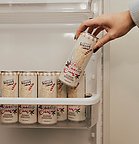
The Sober-Curious Cola: THC Drinks and the New Happy Hour
MINNEAPOLIS, MN – June 16, 2026
A can of cola sits on the counter, condensation tracing lines down its side. It looks familiar, tastes familiar, but it represents a quiet revolution in our social rituals. Minnesota-based Foundry Nation just launched its latest THC-infused beverages, Classic Cola and Cream Soda, each containing 10mg of THC. On the surface, it’s a simple product expansion. But look closer, and you’ll see it’s a calculated move at the intersection of nostalgia, the wellness movement, and a seismic shift in how adults choose to unwind.
This isn’t just about getting high; it’s about an evolving definition of happy hour. As a growing number of consumers, particularly those in their 30s, 40s, and 50s, become “sober curious” or seek alternatives to alcohol, the THC-infused beverage market is exploding. Forecasts project the category will surge from just over $1 billion in 2024 to nearly $5.6 billion by 2035. Foundry Nation’s strategy is to make this transition as easy and familiar as sipping a soda from your childhood.
Nostalgia as a Gateway
The brilliance of Foundry Nation’s approach lies in its flavor profile. By wrapping a modern cannabis experience in the comforting blanket of soda-shop classics like Root Beer floats, Orange Dream, and now, iconic Cola, the brand is demystifying THC for a mainstream audience. These aren’t alien-flavored concoctions from a subculture; they are throwbacks designed to evoke a sense of comfort and recognition.
"Foundry has always been about doing the classics right," said Beecher Vaillancourt, Founder and CEO of Foundry Nation, in the company’s announcement. "Cola and cream soda are iconic flavors. We wanted to create versions that stay true to what people love about them while bringing something new to the experience."
This strategy is resonating. Research shows that the largest demographic for THC beverages isn't college students, but adults aged 35-54, with women slightly outnumbering men. Their motivations are clear: nearly 78% use them for relaxation, while almost 60% are drawn by the promise of a hangover-free experience. For a generation juggling careers, families, and the desire for healthier habits, the appeal of a “cleaner buzz” without the next-day consequences of alcohol is a powerful driver. In one survey, 77% of respondents reported drinking less alcohol since trying THC beverages, with one in five quitting alcohol entirely. Foundry Nation is not just selling a drink; it’s selling a solution to the modern dilemma of wanting to relax without the repercussions.
Brewing a Business in a Regulatory Maze
While consumer demand is booming, the landscape for companies like Foundry Nation is a complex patchwork of opportunity and peril. The brand’s home state of Minnesota provides a case study in how progressive legislation can ignite a market. The state’s 2022 law legalized hemp-derived THC products for adults, creating one of the most accessible markets in the country. It allows beverages with up to 10mg of THC per can to be sold in liquor stores, convenience stores, and even breweries, bypassing the traditional dispensary model.
This regulatory environment has fostered a gold rush, allowing hundreds of businesses, from dedicated brands to local breweries diversifying their offerings, to flourish. However, this entire ecosystem is built on a foundation that could crumble. A provision in a federal agriculture bill, set to take effect in November 2026, threatens to ban hemp-derived products containing more than a trace amount of THC nationwide. Such a move would effectively outlaw the products that form the backbone of Foundry Nation’s business and devastate Minnesota’s burgeoning industry.
This looming federal threat highlights the central tension of the modern cannabis industry: it is a high-growth sector operating under profound legal uncertainty. While a state like Minnesota may carve out local protections, a federal ban would sever interstate commerce and disrupt supply chains, stranding companies that have invested millions based on the 2018 Farm Bill’s legalization of hemp. For all the hype around market growth, the future of these brands may be decided not in boardrooms or by consumer choice, but by a legislative clause in a funding bill.
Beyond the Buzz: Quality, Safety, and the Consumer
As the market matures, the conversation is shifting from novelty to nuance. A key selling point for Foundry Nation and its competitors is ingredient quality. The press release claims all beverages are made with “real ingredients and without artificial colors, flavors, or preservatives.” This taps directly into the wellness trend, where consumers scrutinize labels and demand transparency. However, a closer look at the company's broader product line reveals that some items, like their Root Beer float soda, list “Natural and Artificial Flavors,” suggesting the “no artificial flavors” claim may not be universal across every product. This small distinction matters in a market where authenticity is a primary currency.
Beyond ingredients, the industry faces the critical challenge of consumer education and safety. While many users report a pleasant, manageable experience, the delayed onset of edibles and drinkables remains a public health concern. Unlike alcohol, where the effects are felt quickly, a THC beverage can take anywhere from 15 to 45 minutes to kick in, creating a risk of overconsumption for the impatient or uninformed. The industry mantra has become “start low, go slow,” a necessary caution for a product whose effects vary widely based on individual metabolism and tolerance.
Regulators and public health advocates are calling for stricter controls, from child-resistant packaging to clearer labeling that distinguishes serving sizes—a standard Foundry Nation follows by labeling its 10mg cans as two 5mg servings. As these beverages move from niche shops to mainstream retail shelves, the need for standardized safety protocols and robust consumer education becomes paramount to ensuring this new chapter in social drinking unfolds responsibly.