
- 67% of British couples believe 'feeling listened to and truly heard' is the most vital component of connection. - 48% of British couples have one or both partners struggling with hearing. - Couples spend an average of £766 annually (£11.3 billion collectively) on romantic gestures, but many could benefit more from addressing hearing loss.
Experts emphasize that untreated hearing loss is a significant yet often overlooked threat to relationship intimacy, with hearing health being as crucial as other forms of relationship maintenance.
The Silent Threat to Love: Is Hearing Loss Ruining Your Relationship?
LONDON, UK – February 16, 2026 – While couples across Britain spend billions annually on flowers, dinners, and getaways to keep the spark alive, a new campaign suggests the most powerful tool for intimacy might be found not in a restaurant, but in a hearing clinic. Specsavers, the UK's largest optical and hearing care provider, has launched a striking initiative with celebrity relationship expert Paul Brunson, framing untreated hearing loss as a critical, yet often overlooked, threat to modern relationships.
New research commissioned by the company reveals a stark reality: while over two-thirds (67%) of British couples believe that "feeling listened to and truly heard" is the most vital component of connection, nearly half (48%) are in a relationship where one or both partners struggle with hearing. This communication gap is driving a wedge between partners, with the campaign urging couples to view hearing health as an essential part of relationship maintenance.
A 'Relationship Aid' Championed by an Expert
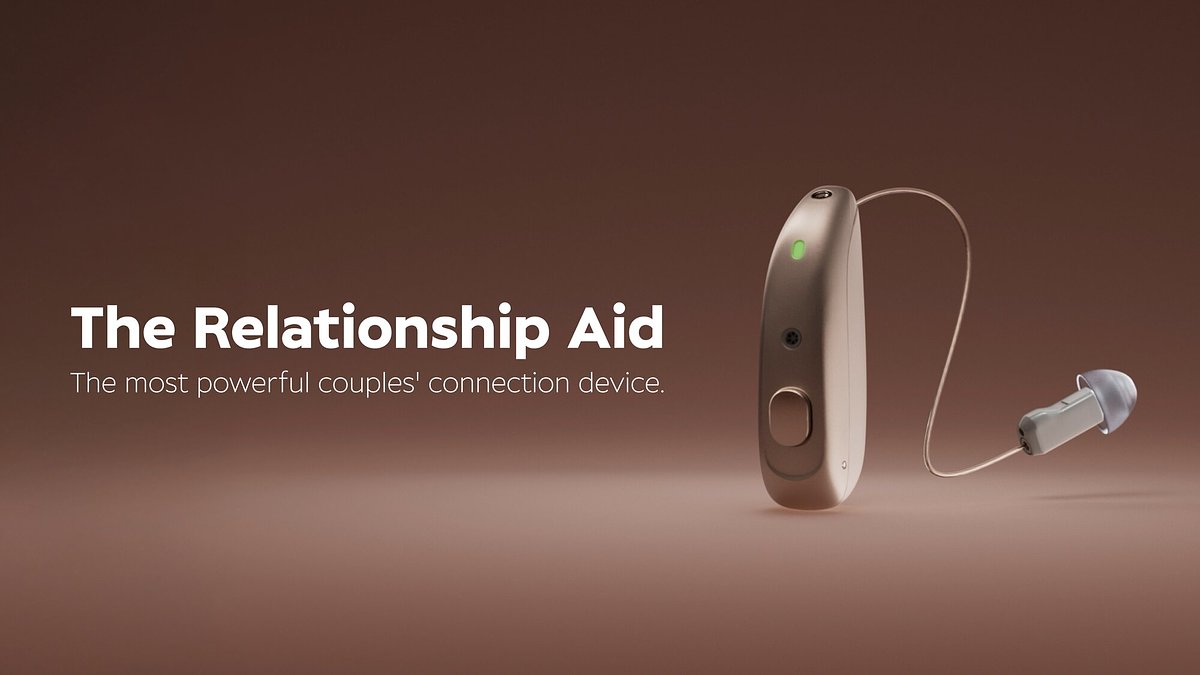
The campaign's masterstroke was its unconventional launch. Paul Brunson, a globally recognized relationship coach and co-host of the hit show Married at First Sight UK, recently sent social media into a frenzy by teasing a mysterious "game-changing" device guaranteed to bring partners closer. Speculation ran wild until, just before the Valentine's Day weekend, the big reveal came: the device was not a new gadget or app, but the Specsavers Advance 65 hearing aid.
By cheekily rebranding a hearing aid as a "relationship aid," Brunson and Specsavers are tackling the long-standing stigma head-on. Leveraging his significant influence—bolstered by endorsements from figures like Oprah Winfrey and his role as a global expert for Tinder—Brunson reframes the conversation. "If you can't hear your partner clearly, you can't truly connect with them," he stated. "Intimacy and connection aren't built on grand gestures and lavish gifts - they're built on being heard in the everyday moments. When those exchanges are missed or misunderstood, emotional and physical closeness fades."
This perspective shifts the narrative from a medical necessity to an act of love. The message is clear: ensuring you can hear your partner's quiet confessions, jokes, and daily recaps is more romantic than any bouquet. "So, getting a hearing check could be one of the most romantic gestures you could do," Brunson added.
Beyond Flowers: The Real Cost of Missed Connections
The campaign highlights a significant disconnect in how couples invest in their relationships. The commissioned study, conducted by One Poll with 2,000 UK adults, found that couples spend an average of £766 annually—a collective £11.3 billion—on romantic gestures. Yet, the data suggests this money might be better spent addressing the foundational issues eroding their bond.
According to the research, alongside financial stress and lack of quality time, over one in four couples (29%) cite "not feeling heard" as a primary cause of rifts. The constant need for repetition and the frustration of being misunderstood can build resentment and emotional distance over time. For the 58% of people who feel disconnected when they can't fully understand their partner, the impact is profound.
This aligns with findings from independent public health bodies like the Royal National Institute for Deaf People (RNID), whose own surveys show that a vast majority of people with hearing loss report negative effects on their relationships and a rise in feelings of isolation. The problem is widespread and insidious, often worsening as couples age. Specsavers' research found one in five (21%) couples feel increasingly disconnected the longer they are together, a challenge frequently compounded by the natural onset of hearing loss in one's 40s.
A Public Health Issue Meets High-Tech Solution
The campaign also casts a spotlight on a wider public health crisis. Independent data confirms that up to 18 million people in the UK are affected by hearing loss, yet a significant portion wait, on average, a decade before seeking professional help. This creates a massive treatment gap, with one report indicating that while 6.7 million people could benefit from hearing aids, only around 2 million use them.
Specsavers, which holds a commanding 18% of the UK's private hearing aid market and is second only to the NHS in volume, is positioning its technology as a key part of the solution. The new Advance 65 hearing aid is not the bulky device of the past. At its core is a sophisticated AI chip trained on over 13.5 million real-world sound scenarios. This allows the device to intelligently separate speech from background noise in real-time, automatically adapting as the wearer moves from a quiet living room to a bustling café.
This advanced sound processing is designed to reduce the "listening effort" that leads to fatigue and social withdrawal. Furthermore, the Advance 65 supports modern connectivity standards like Bluetooth LE Audio and is the first to feature a built-in Auracast assistant, allowing users to stream audio directly in compatible public venues like cinemas and airports. By offering this technology alongside free, 30-minute hearing checks at over 900 locations, the company aims to make intervention both accessible and appealing.
From Stigma to Self-Care
For years, the stigma associated with hearing aids has been a major barrier to treatment. However, as technology has made devices smaller, more discreet, and "virtually invisible," perceptions are slowly changing. This campaign accelerates that shift by framing hearing care as a proactive and attractive form of self-care.
"Many people don't realise their hearing has changed until their partner points it out," noted Specsavers hearing expert, Sonam Sehemby, in the announcement. "By then, it may have already affected confidence and day-to-day connection." Early detection, she emphasizes, is key to staying engaged with life and loved ones.
The survey data supports this cultural shift, revealing that nearly one in four (24%) people find it attractive when their partner has clearly heard them, and 23% find it appealing when a partner takes care of their health through regular appointments. By addressing hearing loss, individuals are not just improving their own quality of life but are also making a tangible investment in their relationship's health and intimacy. For the nearly half of UK couples grappling with this issue, swapping a candlelit dinner for a simple hearing check could indeed be the most meaningful date they have all year.