
- 136 million Americans living with diabetes or prediabetes will be impacted by the new guidelines.
- CGM recommended at diagnosis for all who could benefit, a major shift from prior restrictions.
- AID systems named preferred method for insulin delivery in type 1 diabetes, backed by evidence of improved outcomes.
Experts view the 2026 ADA guidelines as a landmark advancement in diabetes care, emphasizing technology integration, holistic health approaches, and evidence-based, patient-centered strategies.
Beyond Blood Sugar: ADA's 2026 Guidelines Reimagine Diabetes Care
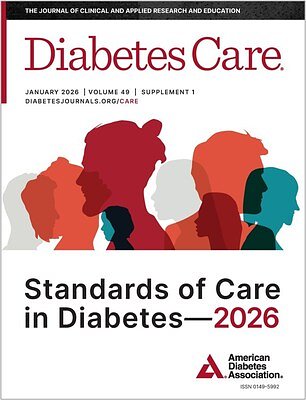
ARLINGTON, VA – December 08, 2025 – The American Diabetes Association (ADA) today unveiled its "Standards of Care in Diabetes—2026," a landmark update that signals a profound shift in how the medical community approaches one of the world's most pervasive chronic conditions. Moving far beyond traditional glucose management, the new guidelines champion a future where advanced technology is standard from day one and care is holistically integrated, addressing everything from obesity and heart health to mental well-being. This annual release, long considered the gold standard for clinicians, is more than an incremental update; it's a new blueprint for managing a complex systemic disease in an era of rapid innovation.
For the 136 million Americans living with diabetes or prediabetes, these changes promise a future where care is more personalized, proactive, and less burdensome. "The 2026 'Standards of Care in Diabetes' represents significant advancement in the delivery of evidence-based, person-centered care," said Rita Kalyani, MD, MHS, the ADA's chief scientific and medical officer. The guidelines, she noted, "synthesize the latest scientific research with practical clinical strategies, thereby equipping health care professionals with the tools necessary to provide optimal care."
The Connected Patient: Technology as a First Resort
Perhaps the most transformative shift in the 2026 standards is the aggressive embrace of diabetes technology. The guidelines now recommend the use of continuous glucose monitoring (CGM) at the time of diabetes diagnosis and anytime thereafter for anyone who could benefit. This is a monumental change from previous years, which often limited such recommendations to those on intensive insulin therapy or at high risk for hypoglycemia. By advocating for CGM from the outset, the ADA is pushing to make this technology a foundational element of care, not an afterthought.
This move democratizes access to real-time data, empowering patients to understand the immediate impact of food, exercise, and medication on their glucose levels. For healthcare providers, it replaces guesswork with a continuous stream of actionable insights. The guidelines also remove prior treatment hurdles for initiating automated insulin delivery (AID) systems—often called "artificial pancreas" technology—and explicitly name them as the preferred method for insulin delivery in people with type 1 diabetes. This is backed by robust evidence showing these systems improve time spent in the optimal glucose range and enhance quality of life.
The market implications are immediate and significant. This strong endorsement is expected to accelerate adoption and pressure insurers to broaden coverage for devices from manufacturers like Dexcom, Abbott, Medtronic, and Tandem. As one endocrinology expert noted, "The guidelines are not just clinical advice; they are a powerful tool for advocacy. When the ADA says this is the standard, it becomes much harder for payers to deny coverage." The updated standards also recognize the need for practical support, providing new guidance for using these technologies in school and workplace settings, bridging the gap between clinical recommendation and daily reality.
A Holistic Blueprint for Health
The 2026 standards make it clear that diabetes is not a disease managed in isolation. The guidelines present a comprehensive, multi-organ approach that extends far beyond blood sugar readings. A major focus is the formal integration of obesity management as a core component of diabetes care, a move strongly endorsed by The Obesity Society. The new recommendations provide guidance on individualizing doses for powerful new obesity medications and, for the first time, offer specific strategies for treating obesity in people with type 1 diabetes—a long-overlooked area.
This reflects a broader trend of leveraging glucose-lowering therapies for their systemic benefits. The guidelines provide expanded direction on using medications like SGLT2 inhibitors and GLP-1 receptor agonists not just for glycemic control or weight loss, but for their proven heart, kidney, and liver health benefits. This is underscored by endorsements from the American College of Cardiology and the National Kidney Foundation, signaling a multidisciplinary consensus on this organ-protective strategy.
Furthermore, the ADA is expanding the definition of care to include mental and behavioral health. The new standards call for routine screening for "diabetes distress," anxiety, and other psychosocial concerns that often accompany the relentless burden of managing a chronic illness. The document also provides updated, nuanced blood pressure goals—tighter for those at high cardiovascular risk and more relaxed for many older adults—and expands guidance on screening individuals at risk for developing type 1 diabetes before symptoms appear. This holistic view, from presymptomatic screening to mental health support, paints a picture of a healthcare system evolving to treat the whole person, not just a set of symptoms or lab values.
The Bridge to Reality: Navigating Access and Equity
While the 2026 Standards of Care paint an inspiring picture of the future, the path to making this vision a reality for every patient is fraught with challenges. The most advanced technologies and medications come with high price tags, and the gap between clinical recommendation and affordable access remains the largest hurdle. The expanded CGM recommendation is a prime example; while clinically sound, patients not on insulin may still face significant battles with insurance providers to secure coverage.
"The Standards of Care is a vital part of the ADA's efforts to improve the lives of all people affected by diabetes," said Charles "Chuck" Henderson, the ADA's chief executive officer, emphasizing the organization's commitment to supporting patients while pushing for a cure. This push inherently includes policy and advocacy. The ADA's stated intention to use these guidelines to influence policymakers acknowledges that clinical evidence alone is not enough. Without corresponding changes in Medicare, Medicaid, and private insurance policies, these advancements risk becoming privileges for the well-insured rather than a new standard for all.
The organization's "living" standards process, which allows for real-time online updates, and the creation of accessible resources like a mobile app and an abridged version for primary care, are practical steps toward closing the knowledge gap for providers. However, the ultimate test of these forward-thinking guidelines will be their implementation on the ground. It will require a concerted effort from clinicians, patient advocates, and policymakers to dismantle the financial and logistical barriers that prevent the best available science from reaching every person living with diabetes. The future of diabetes care has been clearly charted; the work of building the bridge to get there has just begun.