
- 26% of shelter intakes were large dogs in 2025, yet they faced the longest stays and lowest adoption rates.
- 89% vs. 33%: Confidence gap in adopting large dogs between likely and unlikely adopters.
- 34% of surveyed Americans cited lower adoption fees as the top motivator for adopting large dogs.
Experts agree that systemic barriers—including housing restrictions, financial concerns, and adopter confidence—are the primary reasons large dogs face lower adoption rates, requiring targeted interventions to address these challenges.
The Silent Crisis: Why Big Dogs Are Being Left Behind in U.S. Shelters
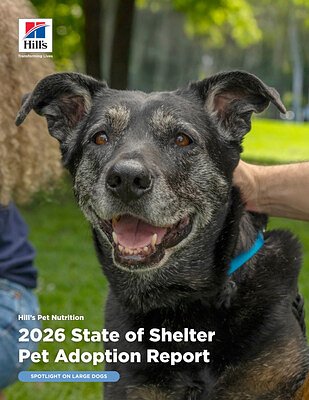
OVERLAND PARK, Kan. – March 10, 2026 – In animal shelters overflowing across the United States, a quiet but growing crisis is disproportionately affecting the largest residents. While their smaller counterparts find homes more quickly, large dogs are languishing, facing longer stays and lower adoption rates that exacerbate a national shelter capacity crisis. A new, comprehensive report from Hill's Pet Nutrition provides critical data-driven insights into why these gentle giants are being left behind and what can be done to help.
The “2026 State of Shelter Pet Adoption Report: Spotlight on Large Dogs” reveals a stark reality. According to data from Shelter Animals Count (SAC), while large dogs accounted for just 26% of shelter intakes in 2025, they experienced the longest median lengths of stay and represented the smallest share of adoptions. This disparity puts immense strain on an already overburdened animal welfare system, where space and resources are critically low.
“The challenges facing large dogs in shelters are not isolated to any one community — they are national in scope and require shared understanding,” said Jim Tedford, President and CEO at The Association for Animal Welfare Advancement, in response to the findings. “This report equips shelter leaders with timely, relevant data that can help guide conversations, shape programs, and strengthen outcomes for pets in need.”
The Confidence and Cost Conundrum
At the heart of the issue are significant psychological and economic barriers for potential adopters. The report, which surveyed 2,000 Americans, found that a lack of confidence is a primary deterrent. While 89% of people likely to adopt a large dog felt confident in their ability to care for one, that number plummeted to just 33% among those unlikely to adopt. This confidence gap suggests that many potential owners are intimidated by the perceived challenges of handling a bigger animal, from training to daily management.
Alongside confidence, cost is a major factor. The survey identified financial assistance programs as the most powerful motivators for encouraging large dog adoptions. Key incentives included:
- Lower adoption fees (34%)
- Free or discounted training (31%)
- Financial assistance for initial costs like food and supplies (31%)
These findings are already being put into practice in some communities. In cities like Chicago, coalitions of shelters have run successful campaigns waiving adoption fees for dogs over 40 pounds, leading to a significant increase in adoptions and clearing much-needed kennel space. These initiatives prove that when the initial financial burden is lifted, more people are willing and able to open their homes to a larger canine companion.
“By understanding and identifying the root causes of adoption hesitancy, we can empower the sheltering community to develop effective strategies that reduce barriers and improve outcomes,” noted Meghan Lehman, Senior Manager, Brand Engagement for Shelters at Hill's Pet Nutrition.
A Generational Divide Meets a Housing Wall
Perhaps the most complex barrier identified by the report is the intersection of generational interest and systemic housing restrictions. Younger generations, specifically Gen Z and Millennials, are a key demographic for solving this crisis. The report found they are nearly twice as likely (30%) to consider adopting a large dog from a shelter compared to Gen X and Baby Boomers (16%).
However, this high interest is met with a formidable obstacle: housing. These younger demographics are more likely to rent, live in apartments, and face restrictive pet policies. Many rental properties and homeowner associations (HOAs) enforce strict weight limits—often as low as 25 or 50 pounds—and outright bans on specific breeds perceived as “aggressive,” such as German Shepherds, Rottweilers, and Pit Bull-type dogs. These restrictions are frequently driven by insurance policies that will not cover properties allowing certain breeds, creating a systemic barrier that has little to do with an individual dog’s behavior.
This housing wall not only prevents adoptions but is also a leading cause of surrenders. Shelter managers across the country report that “moving” or “landlord issues” are among the top reasons families are forced to give up their beloved pets, many of whom are medium-to-large sized dogs who can no longer stay in their homes. This creates a heartbreaking cycle where dogs lose their families and the pool of potential adopters is artificially shrunk.
Forging a Path Forward
Addressing the crisis requires a multi-pronged approach that tackles confidence, cost, and housing. The data from the Hill’s report serves as a crucial roadmap for animal welfare organizations. By offering post-adoption support, such as free or discounted training classes, shelters can directly build adopter confidence and ensure a smoother transition for both the dog and the family.
Financial incentives, as proven by fee-waived adoption events, are a powerful tool for immediate impact. Beyond adoption fees, some organizations are experimenting with providing starter kits of food, crates, and toys to offset the initial costs that can deter potential adopters.
On the systemic level, advocating for more pet-inclusive housing is critical. This includes challenging breed-specific legislation and encouraging landlords and insurance companies to move toward behavior-based assessments rather than blanket bans. Highlighting the disconnect between younger generations' desire for large pets and the restrictive housing market could spur policy changes and the development of more pet-friendly communities.
For decades, Hill's Pet Nutrition has been involved in this effort through its Food, Shelter & Love program, which has provided over $300 million worth of its pet foods to shelters and supported more than 16 million adoptions since 2002. The release of this fourth annual report, the first to focus specifically on large dogs, deepens that commitment by providing the animal welfare community with the actionable data needed to save more lives. The path to emptying the kennels is a collective one, requiring shelters, policymakers, and the public to work together to tear down the barriers that keep loving, large dogs from the homes they deserve.