
- $600–700 million: Acquisition price of Seventh Generation by Unilever in 2016
- 2007: Year Seventh Generation became one of the first B Corporations
- 100%: Portion of Seventh Generation's foundation funds now directed to Indigenous-led organizations
Experts would likely conclude that Seventh Generation's journey demonstrates both the challenges and potential of integrating purpose with profit, offering valuable lessons for mission-driven businesses navigating corporate acquisitions and sustainability commitments.
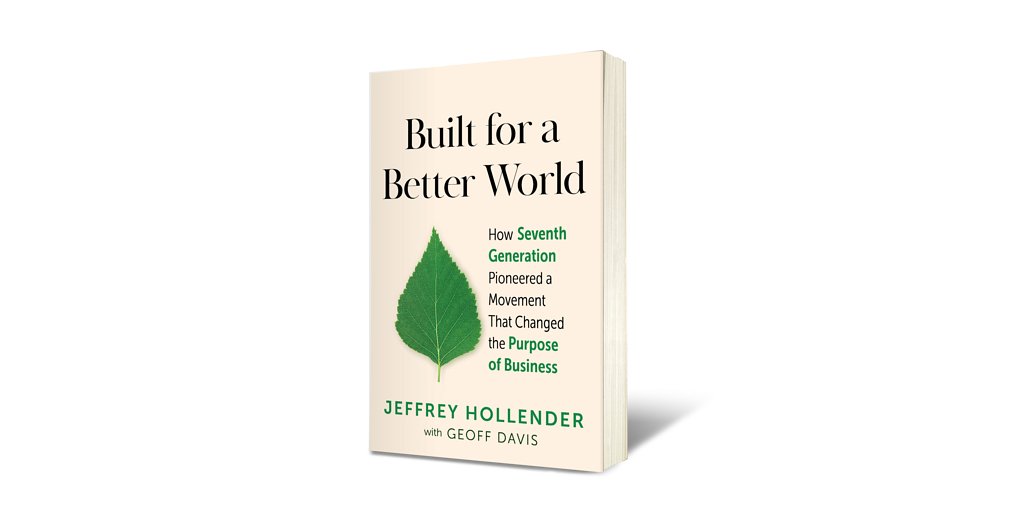
The Price of Purpose: Seventh Generation Cofounder's Tell-All Book
AUSTIN, TX – March 30, 2026 – Long before sustainability became a staple of corporate marketing, Jeffrey Hollender was building a company on a radical premise: that business should serve the health of the planet and its people for generations to come. Now, the cofounder of Seventh Generation is pulling back the curtain on that journey in his forthcoming book, Built for a Better World: How Seventh Generation Pioneered a Movement That Changed the Purpose of Business, scheduled for release on March 24th, 2026.
The book promises a candid, behind-the-scenes look at the triumphs and tribulations of creating one of America's most influential mission-driven brands. It details a decades-long quest to embed purpose into the DNA of a company, from its idealistic origins to its high-stakes acquisition by global consumer goods giant Unilever. Hollender’s story offers a raw account of the personal and professional costs of trying to balance principle with profit in a market often hostile to such ideals.
An Architect of Corporate Consciousness
Founded in 1988, Seventh Generation was a pioneer in a movement that was barely nascent. The company's very name, derived from the Great Law of the Iroquois Confederacy, reflects a core tenet: “in our every deliberation, we must consider the impact of our decisions on the next seven generations.” This was not a marketing slogan but the company's operational blueprint. While other companies focused solely on the bottom line, Seventh Generation championed a triple-bottom-line framework, measuring success through its financial, social, and environmental performance.
From its inception, the company challenged industry norms by producing eco-friendly cleaning and personal care products with plant-based ingredients, recycled packaging, and a commitment to radical transparency. At a time when the contents of cleaning products were a closely guarded secret, Seventh Generation began listing all its ingredients on the label, a practice that remains a key differentiator. This commitment helped it become one of the first B Corporations in 2007, legally binding it to consider its impact on all stakeholders, not just shareholders.
The company’s influence extended beyond its product lines. Hollender and his team were active provocateurs, using their platform to advocate for stronger environmental regulations and greater corporate accountability. This legacy continues today; the company remains a vocal supporter of legislation like the Climate Change Superfund Acts in Vermont and New York, pushing for policies that hold polluters financially responsible.
The Tumultuous Path: Firing, Reconciliation, and Acquisition
Built for a Better World does not shy away from the internal conflicts that nearly derailed the mission. The book delves into one of the most challenging periods in Hollender’s career: his ousting from the company he built. In 2010, after stepping down as CEO a year prior, the board terminated his employment amid tensions over the company's direction and leadership. The split was a public and painful chapter for a brand built on authenticity and trust.
However, the story took a remarkable turn following Seventh Generation’s acquisition by Unilever in 2016 for a reported $600 to $700 million. The buyout by a multinational corporation raised immediate concerns among loyal customers and industry observers about the potential dilution of the brand's activist soul. In a move that signaled a commitment to preserving the company's ethos—and a significant personal reconciliation—Unilever invited Hollender to rejoin the company. He accepted, taking a seat on both the main Board of Directors and a newly created Social Mission Board.
This independent board was established as a unique governance mechanism designed to safeguard the company’s founding values. Comprised of Hollender and other external experts, it meets regularly to hold the brand accountable to its sustainability goals, from reducing plastic use and achieving “real zero” emissions to advancing social justice. Recently, the Social Mission Board successfully urged the company to double its internal carbon tax, demonstrating its continued influence within the larger Unilever framework.
A Legacy Beyond the Brand
Jeffrey Hollender’s influence now extends far beyond the aisles of grocery stores. He has channeled his experience into a second act as an educator, mentor, and advocate. As an Adjunct Professor at NYU’s Stern School of Business, he teaches courses on impact entrepreneurship, guiding the next generation of leaders aiming to build businesses that solve societal problems. He also serves as co-chair of the American Sustainable Business Network, a coalition pushing for progressive public policy.
His work reflects a lifelong commitment to systemic change. He remains on the board of Greenpeace US and Verité, a workers' rights organization, and actively mentors startups. This broader work underscores a key theme of his book: that true impact requires moving beyond a single brand to influence the entire ecosystem of business and policy.
This ethos of continuous learning and accountability is also reflected in Seventh Generation's recent actions. In 2022, the company publicly acknowledged the “appropriative roots” of its name and philosophy. In response, it rechartered its foundation to direct 100% of its funds to Indigenous-led organizations, a move designed to shift power and resources to the communities from which its guiding principle originated.
As businesses worldwide face growing pressure from consumers, employees, and investors to address environmental and social crises, the lessons from Seventh Generation’s journey are more relevant than ever. The rise of ESG investing and the demand for purpose from Millennial and Gen Z consumers have pushed sustainability into the mainstream. Yet, this has also given rise to “greenwashing,” where marketing claims often outpace meaningful action. Hollender’s candid account serves as both an inspiration and a cautionary tale, offering a roadmap for leaders navigating the complex, often contradictory, demands of building a business that is truly built for a better world.