
- Market Growth: The residential water purification market is projected to expand from $24.3 billion in 2023 to over $45 billion by 2032.
- Consumer Concern: 81% of U.S. adults expressed worry about tap water quality in 2024, up from 73% in 2021.
- Filtration Efficiency: Advanced reverse osmosis systems claim to remove over 99.99% of microplastics and PFAS.
Experts agree that regulatory action and growing public health concerns have transformed the water filtration industry from a niche market into a high-stakes, technology-driven sector focused on safety and sustainability.
The New Clear: How Water Anxiety Sparked a Gold Rush in Home Filtration
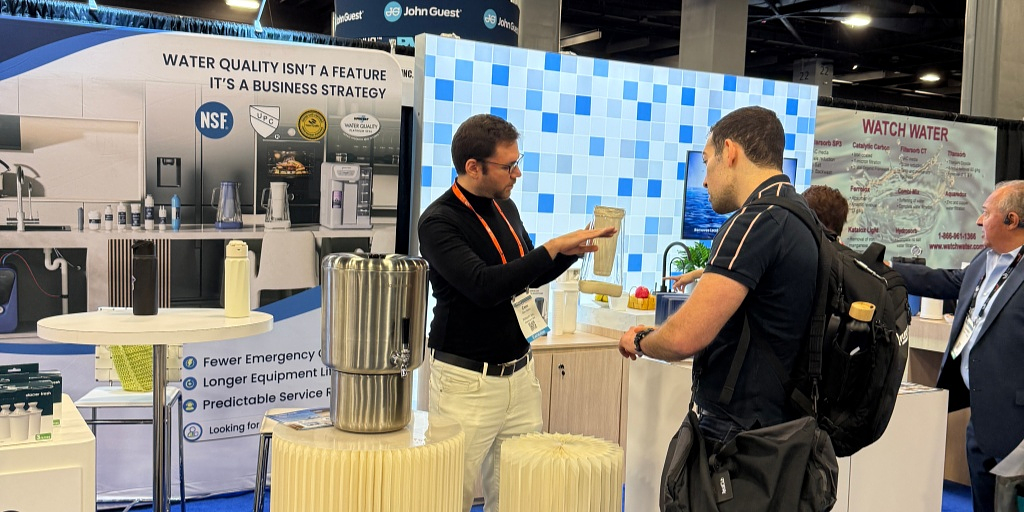
MIAMI BEACH, FL – June 24, 2026 – The air in the Miami Beach Convention Center this week was thick with the language of a new consumer reality. At the Water Quality Association (WQA) Convention & Expo, industry jargon about reverse osmosis and NSF certifications mixed with a more urgent vocabulary: PFAS, microplastics, and a pervasive, growing public anxiety. The conversation is no longer just about the taste of tap water; it’s about a fundamental loss of trust in what comes out of the faucet, a shift that has ignited a multi-billion dollar gold rush in the business of residential water purification.
This isn't a future trend; it's a present-day market transformation. The catalyst was the U.S. Environmental Protection Agency’s landmark April 2024 ruling, which established the first-ever national, legally enforceable drinking water standards for several PFAS, or “forever chemicals.” That single regulatory act validated decades of mounting consumer worry, turning a vague concern into a quantifiable threat and sending shockwaves through a market now projected to swell from $24.3 billion in 2023 to over $45 billion by 2032.
At the center of this evolving landscape are companies like Glacier Fresh, a North American brand that was among the 200 exhibitors at the WQA expo. Their presence here, showcasing advanced filtration systems to a packed hall of dealers and industry professionals, is a microcosm of a larger strategic play. The game is no longer about selling convenience; it’s about selling certainty.
From Taste to Invisible Threats
For decades, the home water filtration market was dominated by pitchers and faucet attachments promising to reduce chlorine and improve taste. That era is definitively over. The WQA’s own data paints a stark picture of this evolution: in 2021, 73% of U.S. adults expressed concern over their tap water. By 2024, that number had climbed to 81%, with the primary worries shifting from aesthetic issues to invisible, long-term health threats.
PFAS, the industrial chemicals linked to a host of health problems from cancer to developmental issues, have surged to the forefront of public consciousness. Alongside them are microplastics, tiny polymer fragments now understood to be ubiquitous in our environment, including our water. The long-term health effects of ingesting these particles are still being studied, but for millions of Americans, the mere possibility is enough to demand a solution.
“Consumers are no longer asking simply for better-tasting water,” said Cem Bakis, Marketing Manager at Glacier Fresh, in a statement that captures the industry’s new mandate. “They want to know what’s actually in their water—and they want proof that their filtration system is removing it. The shift from taste to safety is the single most important trend shaping our industry today.”
This demand for proof is where the market finds its new high-stakes battleground. It’s not enough to claim a filter works; companies must now provide verifiable, third-party data. This is why certifications like NSF/ANSI 58, which specifically evaluates reverse osmosis (RO) systems for their ability to reduce a list of contaminants including certain PFAS, have become critical marketing tools. Glacier Fresh, for its part, prominently displays its adherence to NSF standards, including NSF/ANSI 372 for lead-free components, signaling to educated consumers that its claims are backed by rigorous testing.
The Technology Arms Race in Your Kitchen
Responding to this demand, the industry is undergoing a rapid technological evolution. At the WQA expo, Glacier Fresh showcased a portfolio designed to address the full spectrum of modern water anxiety. The centerpiece is its under-sink reverse osmosis systems, which the company claims can remove over 99.99% of microplastics and PFAS. RO technology, long considered a gold standard, works by forcing water through a semipermeable membrane that blocks nearly all dissolved solids and contaminants. While highly effective, traditional RO systems have been criticized for high water waste. Glacier Fresh’s answer is a tankless system with a 3:1 pure-to-waste ratio, a significant improvement that addresses both performance and conservation concerns.
This move toward high-efficiency, high-performance systems reflects a broader market trend. While brands like Brita and PUR still command a large share of the low-cost pitcher market, a growing segment of consumers is 'graduating' to more robust, permanent solutions. The competitive landscape now includes specialists like Aquasana and APEC Water Systems, which, like Glacier Fresh, focus on multi-stage, under-sink, or whole-house systems designed for comprehensive contaminant removal. Even full-service giants like Culligan are seeing increased competition from DIY-friendly brands that empower homeowners to install their own high-grade filtration.
The innovation extends beyond the sink. Glacier Fresh also displayed countertop units using nanofiber membranes for zero-waste filtration and portable RO systems for RVs and outdoor use. This portfolio approach demonstrates an understanding that the demand for pure water is no longer confined to the kitchen tap; it’s a lifestyle expectation.
Balancing Purity and Planet
There is a profound irony at the heart of the water filtration boom: in the quest to remove microscopic pollutants from our water, we risk creating mountains of plastic waste from disposable filter cartridges. This is the industry's next great challenge, and one that savvy companies are tackling head-on.
Sustainability has become a key differentiator. Glacier Fresh is promoting what it calls an industry-first glass filter technology, claiming it reduces plastic waste by 65% compared to conventional cartridges. While the specifics of this claim warrant further scrutiny, the strategic direction is clear. As consumers become more aware of the environmental footprint of their purchases, the brand that can deliver both purity and a cleaner conscience gains a significant market advantage.
This commitment is further reinforced by corporate partnerships. Glacier Fresh's alliance with Polarhub, an organization focused on glacier preservation, serves a dual purpose. It links the company's brand to the vital global issue of water security and reinforces a narrative of environmental stewardship. For a company whose ultimate vision is to be a “lifetime water steward,” as Bakis puts it, these initiatives are not just philanthropy; they are essential components of brand identity in a market where consumers are buying into a mission as much as a product.
As federal funds from the Bipartisan Infrastructure Law begin to flow toward upgrading municipal water systems and replacing lead pipes, the 'last mile' of water safety—the journey from the street to the glass—remains the responsibility of the individual. This reality ensures that the residential filtration market will continue to thrive. The companies that will lead this next chapter are those that understand that they are not just selling hardware; they are selling a scientifically-verified, sustainable, and accessible peace of mind in an increasingly anxious world.