
- $450.3 million: The record-breaking sale price of Leonardo da Vinci's Salvator Mundi after extensive restoration
- Strategic collaboration between Apollo Auctions and Gamma Conservation to integrate conservation expertise into the auction lifecycle
- Growing demand for verifiable information about an object’s physical condition and ethical responsibilities of ownership
Experts agree that the integration of conservation expertise into the auction process is setting a new benchmark for transparency, stewardship, and long-term value in the art market, reflecting a shift towards responsible and ethical collecting practices.
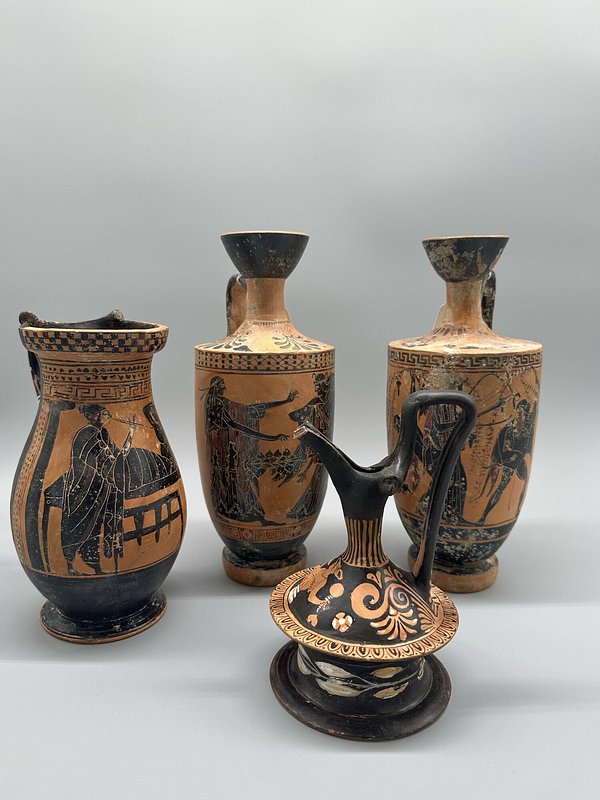
The New Art of Value: How Conservation is Reshaping Collections
LONDON, UK – February 13, 2026 – In a move that signals a significant evolution in the art and antiquities market, London-based Apollo Auctions and the specialist firm Gamma Conservation have announced a strategic collaboration. The partnership aims to embed conservation expertise into every stage of the auction lifecycle, establishing a new benchmark for transparency, stewardship, and the very definition of value in collecting.
This initiative comes at a time when the global art market is undergoing a profound re-evaluation of its priorities. Discerning collectors are no longer satisfied with aesthetic appeal and provenance alone; they are increasingly demanding verifiable information about an object’s physical condition, long-term stability, and the ethical responsibilities of ownership. By uniting Apollo's auction expertise with Gamma's scientific acumen, the collaboration directly addresses this growing demand, reinforcing market confidence from the saleroom to the private collection.
“Every object has a future beyond the moment of sale,” says Galia Kirilova, co-founder of Gamma Conservation. “Our role is to help collectors understand how to care for their acquisitions responsibly, ensuring their cultural and material integrity is preserved.”
Beyond Provenance: The Financial Case for Conservation
For decades, an artwork's value has been primarily determined by a combination of artist reputation, historical significance, rarity, and provenance—the documented history of its ownership. While these factors remain crucial, condition has emerged as a powerful and increasingly influential driver of long-term value. This partnership formalizes what has been an open secret in the industry: a well-preserved or expertly conserved piece is not just more desirable, but a more secure investment.
Major auction houses like Sotheby's have long acknowledged the impact of an artwork's physical state on its market price, often coordinating conservation as part of their broader client services. However, the Apollo-Gamma model represents a more deeply integrated approach. By making conservation-led insights a standard part of the process—from pre-sale assessment to post-sale care guidance—it shifts conservation from a reactive measure to a proactive strategy for value enhancement.
The financial upside of meticulous conservation can be staggering. The record-breaking $450.3 million sale of Leonardo da Vinci's Salvator Mundi followed an extensive and widely publicized restoration. While such cases are extreme, they underscore a fundamental market principle: expert conservation can unlock an object's full potential value by enhancing its visual clarity, ensuring its structural stability, and providing buyers with the confidence needed to invest.
“Through careful assessment and targeted conservation guidance, we help objects reach the market with greater confidence and realise their full potential value,” Kirilova explains. This proactive approach helps mitigate risks for collectors, ensuring their acquisitions can be safely displayed and preserved, thereby protecting and potentially increasing their future worth.
Science Meets Storytelling: Preserving Cultural Heritage
At its core, conservation is a scientific discipline that provides a voice to the object itself. Gamma Conservation, operating from its London studio with an international network of vetted specialists, employs a range of techniques from material analysis to advanced imaging to understand an artifact’s composition and history.
“Every object carries a material and cultural history that must be understood and respected,” notes Marie Miller, co-founder of Gamma. “Our role is to analyse and stabilise each object carefully in order to advise on how best to preserve it, so that its story continues long after it leaves the auction floor.”
This scientific rigor does more than just ensure an object's physical survival; it enriches its narrative. Analysis can reveal an artist’s original materials, uncover hidden details, or differentiate between ancient repairs and modern interventions. For collectors of antiquities, this layer of scientific data provides an empirical complement to traditional provenance research, adding a powerful layer of authenticity. As Kirilova puts it, “Conservation is a form of storytelling. It gives a voice to the makers and ensures their legacy is preserved through the objects they created.”
The collaboration also addresses a growing concern within the industry about a potential shortage of expertise in niche conservation specialties. By building a flexible, global network, Gamma ensures that each project is matched with the most suitable expert, guaranteeing a high standard of care in a time-sensitive auction environment.
A New Benchmark for an Evolving Market
The Apollo-Gamma partnership is poised to set a new industry standard, particularly as it contrasts with the more fragmented approaches common elsewhere. While major houses offer a suite of art services, the explicit integration of conservation as a core, transparent component of the auction process is a distinguishing feature. Christie’s, for instance, relies on external specialists for restoration services, highlighting a common industry practice of outsourcing rather than full integration.
By making conservation a foundational element, Apollo Auctions is responding to a market that increasingly values responsible and ethical practices. “Apollo Auctions has always placed research at the heart of its practice,” states Dr Ivan Bonchev, Director at Apollo. “Working with Gamma Conservation allows us to enhance that commitment by drawing on specialist expertise. This collaboration provides our clients with the tools and knowledge needed to preserve these objects responsibly for the future.”
This model pioneers a more sustainable art ecosystem built on trust. For dealers, it means their inventory is consistently well-cared for and positioned confidently for sale. For collectors, it provides the assurance that their acquisitions are not only historically significant but also physically sound and ethically stewarded. This approach may compel competitors, especially those in the high-stakes antiquities field, to adopt similarly transparent and integrated conservation practices to meet evolving client expectations.
The Ethical Imperative in Antiquities
Nowhere is the need for enhanced diligence more acute than in the market for ancient art. This field is fraught with ethical challenges, from the persistent threat of illicit trade fueled by looting to the complexities of establishing a clear and legal chain of ownership. International bodies like UNESCO and professional organizations such as the International Council of Museums (ICOM) have established stringent guidelines to combat these issues, emphasizing the importance of thorough due diligence.
The scientific analysis inherent in modern conservation provides a powerful tool in this ethical framework. Material analysis can help verify an object’s age and origin, offering data that can either support or challenge its stated provenance. By documenting an object’s condition with scientific precision, conservators create an immutable record that strengthens its legitimacy and provides buyers with greater reassurance.
As collectors place a growing emphasis on responsible stewardship, this partnership reinforces the role of conservation as a cornerstone of both market confidence and ethical engagement. The collaboration between Apollo Auctions and Gamma Conservation reflects a broader understanding that honoring the past involves not only appreciating an object's history but also ensuring its responsible preservation. By combining auction leadership with scientific conservation, they are elevating standards for a more informed, ethical, and sustainable art market that serves the interests of collectors today and for generations to come.
Topics & Related
ESG
Artificial Intelligence
Machine Learning
Regulation & Compliance
Capital Markets
Technology
Acquisition
Merger
ChatGPT
Claude
Gemini
Revenue
Net Income
Related Company Pulse